



20 Things NOT to Do in India as a Traveller (2026 Guide)
Last Updated: June 2026 | Reading Time: 12 minutes
Planning your first trip to India? Smart move India is one of the most extraordinary travel destinations on the planet. But it’s also one of the most complex. From ancient temple rituals to street food etiquette, the cultural rules can be overwhelming for first-timers. I’ve compiled this guide from extensive research across top-ranking travel blogs, local expat advice, and real traveller experiences. These are the most important things NOT to do in India mistakes that could get you into trouble, offend locals, or simply ruin your trip. Bookmark this before you go.
What are Things NOT to Do in India as a Traveller
| Category | Key Don’ts |
|---|---|
| Health & Hygiene | Don’t drink tap water, avoid raw/unpeeled foods |
| Culture & Religion | Don’t disrespect temples, don’t use your left hand |
| Safety | Don’t trust strangers blindly, avoid unlit areas at night |
| Legal | Don’t drink in public, don’t photograph restricted sites |
| Practical | Don’t ignore scams, don’t skip travel insurance |
1. Don’t Drink Tap Water
This is the #1 rule for every traveller visiting India never drink tap water. Indian tap water can contain bacteria like E. coli and other pathogens that your gut simply isn’t used to. Even locals in some cities avoid it. her is what you should do instead:
- Always buy sealed, branded bottled water (Bisleri, Kinley, or Aquafina)
- Check that the plastic seal is intact some vendors refill used bottles with tap water
- Carry a reusable bottle with a built-in filter if you want to reduce plastic waste
- Avoid ice in drinks unless you’re certain it was made with purified water
“Delhi Belly” is real, and it can wipe out 2–3 days of your trip. Don’t risk it.
2. Don’t Eat Raw or Unpeeled Food Carelessly
Follow the traveller mantra: “Cook it, boil it, peel it or forget it.” Raw salads, pre-cut fruits, roadside chutneys, and unpeeled fruit from street vendors are common culprits for stomach issues. Fresh fruit juices sold on the street are often made with unfiltered water and unwashed fruit. Safe bets:
- Hot, freshly cooked street food served straight from the pan
- Fruits you peel yourself (bananas, oranges, mangoes)
- Food from busy stalls with high turnover
3. Don’t Disrespect Religious Sites
India is home to hundreds of thousands of temples, mosques, gurudwaras, and churches and each has its own rules. Disrespecting a religious site, even unintentionally, can seriously offend locals. The rules:
- Always remove your shoes before entering any place of worship or someone’s home
- Dress modestly cover your shoulders and knees at minimum
- At Sikh gurudwaras and mosques, cover your head with a scarf or handkerchief
- Don’t touch idols, sacred statues, or ritual items
- Don’t point at shrines or sacred objects (pointing is considered rude in general)
- If you’re offered prasad (a religious offering), receive it with your right hand or both hands cupped
4. Don’t Use Your Left Hand for Eating or Greeting

In Indian culture, the left hand is traditionally considered unclean because it’s associated with personal hygiene. Using your left hand to eat, pass food, shake hands, or hand something to someone is considered offensive. People Always use your right hand for:
- Eating and handling food
- Shaking hands or greeting
- Receiving or passing objects
If you’re left-handed, be mindful of this a little effort goes a long way in showing respect.
5. Don’t Wear Revealing Clothing
India is a conservative country, especially outside major urban centres and beach towns like Goa. Wearing skimpy or revealing clothes in temples, markets, small towns, or rural areas will attract unwanted attention and show disrespect. you can follow these for the dress code tips:
- Keep shoulders and knees covered in religious sites always
- In smaller towns or conservative regions, opt for loose, full-coverage clothing
- Lightweight cotton salwar suits or kurtas work brilliantly and keep you cool
- In beach destinations like Goa, beachwear is fine on the beach : but cover up when you head into town
For women especially, dressing modestly dramatically reduces unwanted staring and harassment.
6. Don’t Show Affection in Public (PDA)
Kissing, hugging, and other displays of affection in public are widely frowned upon in India. While attitudes are slowly shifting in major metros like Mumbai and Bangalore, public displays of affection (PDA) are still considered inappropriate in most parts of the country and can occasionally attract police scrutiny. This applies to both opposite-sex and same-sex couples. Keep it private.
7. Don’t Eat Beef
Cows are sacred in Hinduism, which is practiced by roughly 80% of India’s population. Beef is not widely available and is banned outright in many Indian states. Eating beef or asking for it in the wrong context can cause serious offence. What to know:
- Many menus won’t have beef at all
- “Mutton” in India usually refers to goat meat, not lamb
- Buffalo meat is offered in some places as a substitute
- If you really can’t live without beef, stick to cities with large non-Hindu populations or high-end international restaurants in Mumbai/Delhi
8. Don’t Ignore Common Scams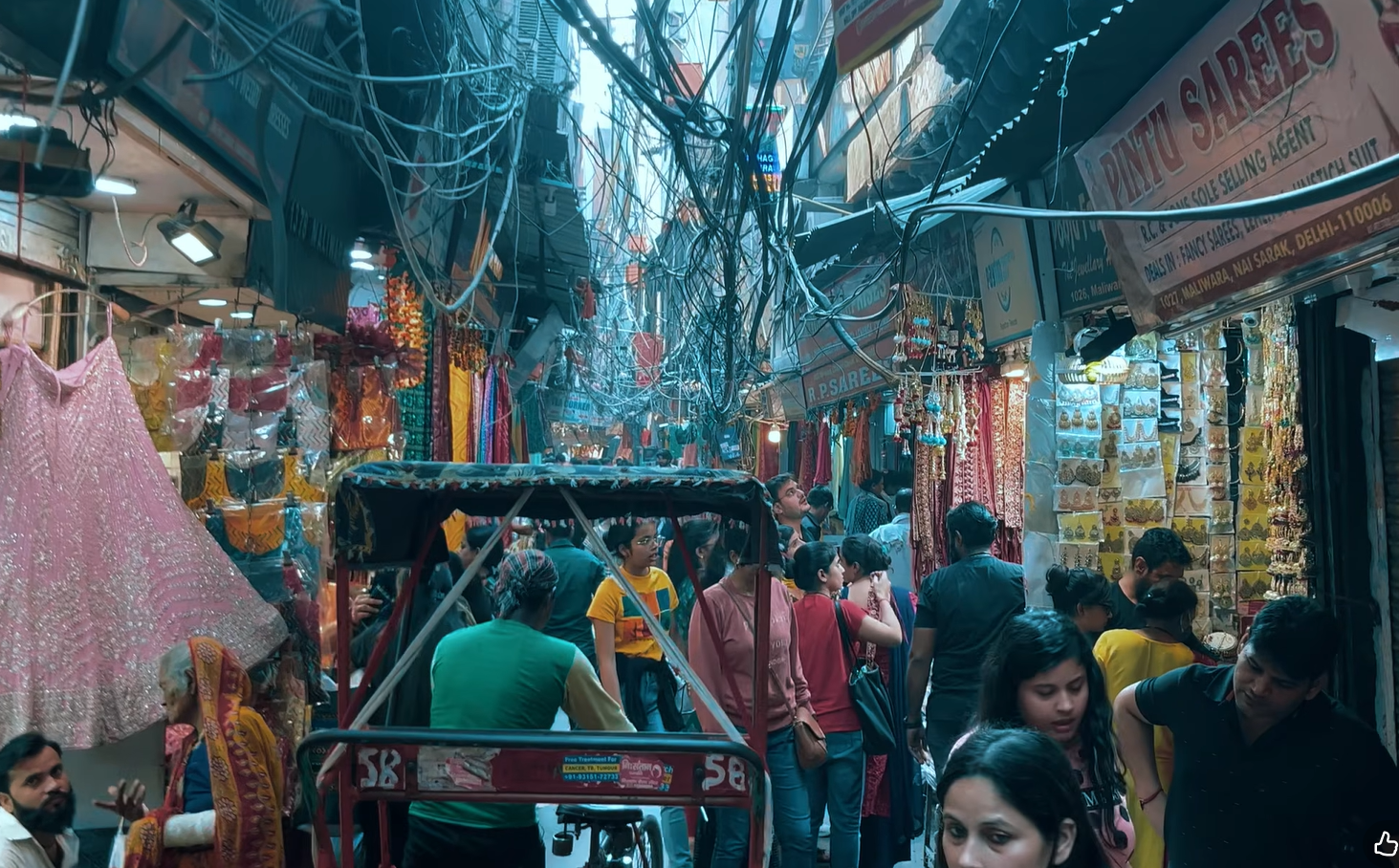
India has a well-documented scam ecosystem targeting tourists, especially around popular monuments like the Taj Mahal, Red Fort, and Jaipur’s Amber Fort. In 2025, fake booking websites alone cost tourists an estimated ₹47 crore according to cybercrime units, To stay away from all the scam’s you can just just leave everything to us and relax and enjoy the trip.
Common scams to watch out for:
- Fake tour guides who approach you at monuments offering cheap tours
- Gem/export scams : where locals convince you to buy gems to “export” for profit
- Tuk-tuk diversions : drivers taking you to commission-paying shops instead of your destination
- Overpriced bottled water near tourist sites
- “Closed” attractions : someone tells you the site is closed and offers an alternative shop or tour
Rule of thumb: Book tours and transport through your hotel concierge, or use reputable apps like MakeMyTrip or Thrillophilia.
9. Don’t Use Unverified Taxis
Transport scams are among the most common in India. Unmetered taxis and rickshaws will often overcharge tourists sometimes by 5–10x the fair price. You can Always Trust us with best and Trusted services in India
Safer options:
- Always follow your your appointed verified guide and driver’s advice for the whole travel
- Use Uber or Ola in major cities prices are fixed and you can track your route
- If using auto-rickshaws, always negotiate the fare before you get in or ask them to use the meter
- Avoid accepting rides from strangers who approach you at airports or stations
10. Don’t Drink Alcohol in Public Places
Drinking or smoking in public spaces is illegal in India. Rules vary by state some states like Gujarat and Nagaland are completely dry but in general, alcohol consumption should be confined to licensed bars, restaurants, or private spaces like your hotel. Possession or use of narcotic drugs is a serious, heavily punishable offence. Don’t risk it.
11. Don’t Discuss Religion and Politics Casually
India’s religious and political landscape is deeply complex and often emotionally charged. Topics like caste, communal tensions, the India-Pakistan relationship, or specific political parties can quickly escalate into uncomfortable territory. Unless you know the person well and they bring it up, steer clear of religion and politics in casual social settings.
12. Don’t Give Money Directly to Beggars
This is a sensitive one, but organised begging rings are a real issue in India particularly around tourist sites. Children and adults are sometimes controlled by operators who take the money.
Better alternatives:
- Donate directly to reputable local NGOs or charities
- Buy food and offer it directly to a beggar instead of cash
- Support social enterprises and fair-trade shops that employ marginalised communities
13. Don’t Point Your Feet at People or Sacred Objects
Feet are considered the lowest and most impure part of the body in Indian culture. Pointing your feet toward someone, touching someone accidentally with your feet, or stretching your legs toward a shrine or elder is considered very disrespectful.
- If you accidentally touch someone with your feet, apologise immediately locals will appreciate it
- Sit cross-legged on the floor rather than extending your feet outward
- Don’t push books, bags, or objects with your feet
14. Don’t Wander Alone Late at Night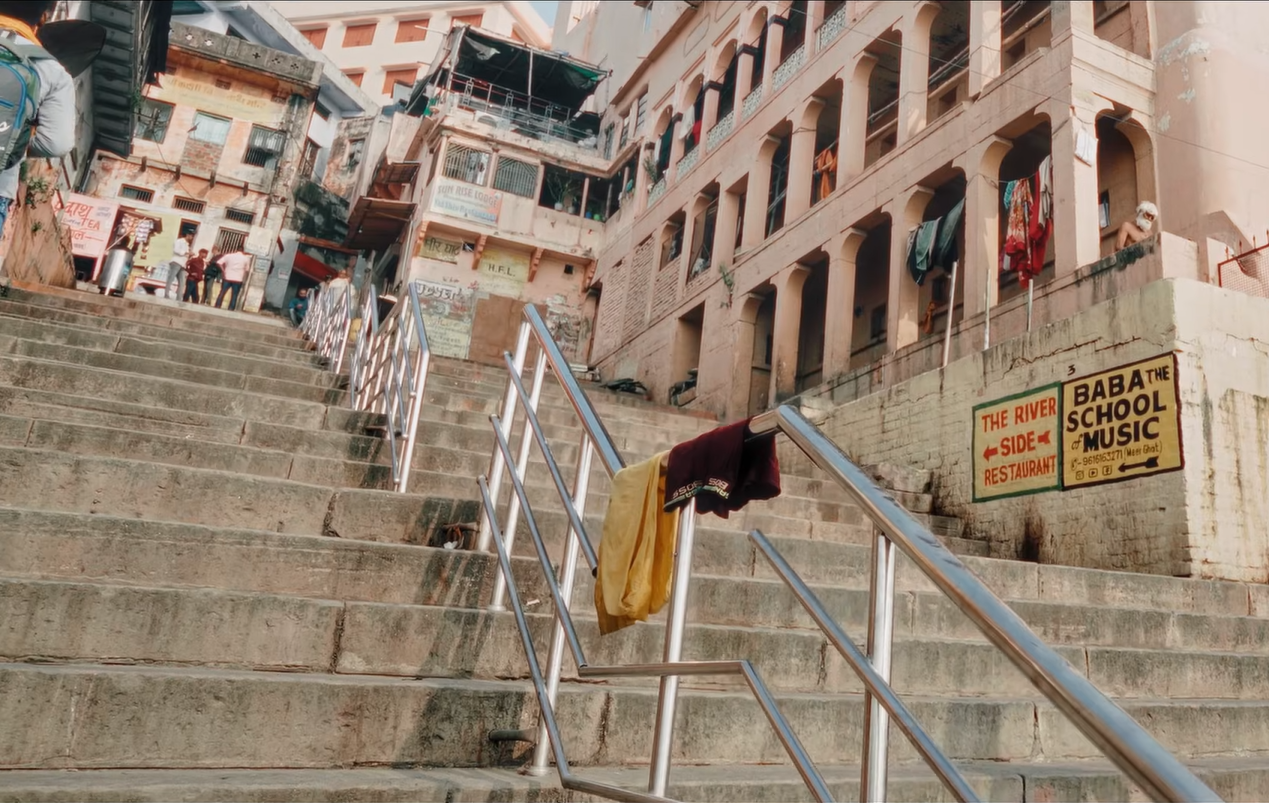
India’s safety landscape varies enormously by city, neighbourhood, and time of day. While India is far safer than its reputation suggests for most tourists, wandering alone in unfamiliar, unlit, or isolated areas at night carries real risk especially for solo women travellers.
- Stick to well-lit, populated areas after dark
- Use Uber or Ola rather than walking alone at night
- Share your live location with someone you trust
- Trust your instincts if a situation feels uncomfortable, leave
15. Don’t Forget Travel Insurance
This is non-negotiable. Medical care in India can be excellent in private hospitals, but it can also be expensive for foreigners and emergencies like accidents, illness, or theft happen. Make sure your travel insurance covers:
- Medical emergencies and hospitalisation
- Trip cancellation
- Theft and loss of belongings
- Emergency evacuation
Don’t travel to India without it.
16. Don’t Ignore Air Quality (Especially in Delhi)
Air pollution in Indian cities particularly Delhi in winter (October–February) can reach hazardous levels. The AQI can spike above 400–500 on bad days, which is well beyond “unhealthy” into “hazardous” territory.
Practical tips:
- Download an air quality app like IQAir before you go
- Carry an N95 or KN95 mask if you’re visiting Delhi in winter
- Consider staying near parks or in greener neighbourhoods to reduce exposure
- If you have respiratory conditions, plan your Delhi visit for spring or summer
17. Don’t Trust Strangers Too Quickly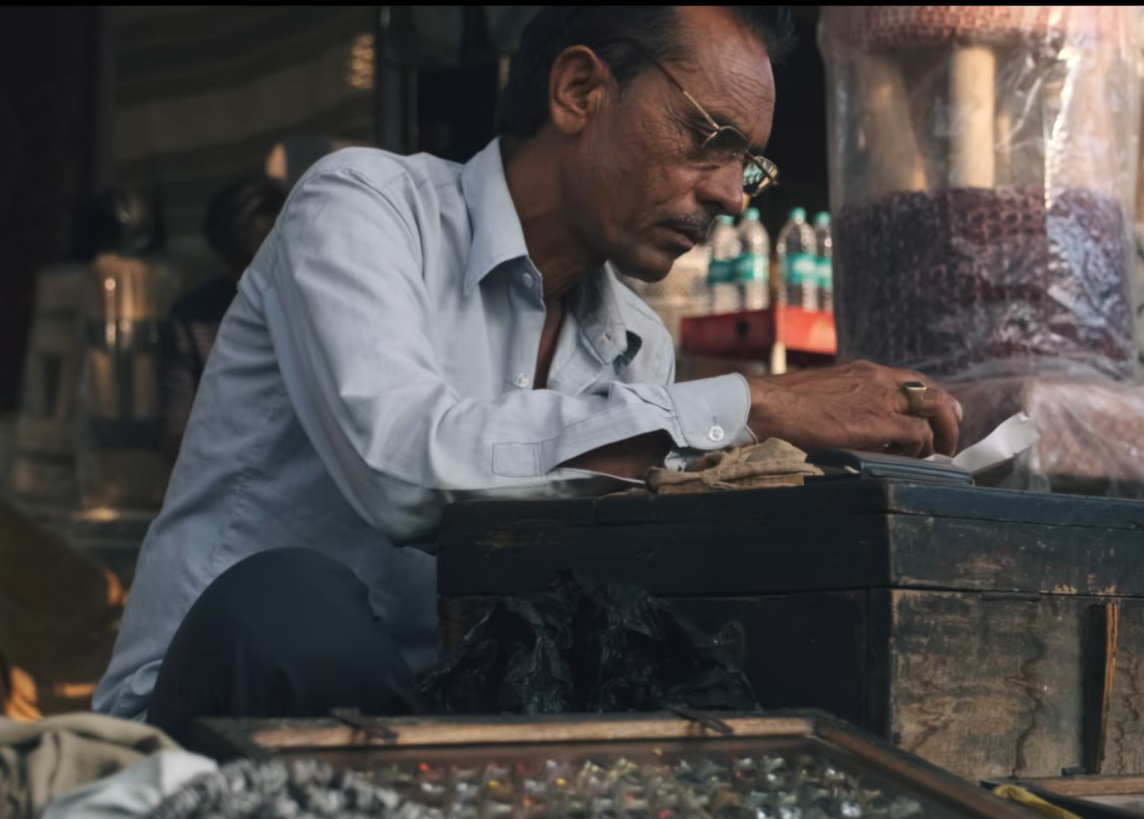
Indians are, by and large, extraordinarily warm and hospitable and most people you meet will be genuinely kind. But tourist areas attract opportunists. Be cautiously friendly rather than naively open.
- Don’t share your hotel name, travel plans, or contact info with strangers you just met
- Be sceptical of anyone who volunteers to be your “free guide”
- Don’t agree to watch over a stranger’s bags
- Don’t accompany someone to an unknown location, no matter how compelling the reason sounds
18. Don’t Haggle Aggressively or Without Respect
Bargaining is part of Indian market culture in bazaars, with rickshaw drivers, and at tourist shops. But there’s a right way and a wrong way to do it.
- Start with asking fair price and start to negotiate from there
- Smile, be friendly, keep it light it’s supposed to be fun
- Don’t aggressively lowball to the point of insult, especially for handmade crafts
- If you’ve agreed on a price, don’t walk away, it’s considered very rude
19. Don’t Skip the E-Arrival Form
Since October 2025, all foreign travellers entering India have the option to fill out an electronic arrival form (e-arrival) online up to 72 hours before travel through the Indian Visa Online portal. The paper form is being phased out. Failing to complete the correct documentation can delay your entry or cause issues at immigration. Always double-check current visa and entry requirements before you fly Indian visa rules change frequently.
20. Don’t Only Stick to the Tourist Trail
This is the one “mistake” that doesn’t involve a cultural faux pas it’s just a shame. India is incomprehensibly vast. Many first-timers stick to the Golden Triangle (Delhi–Agra–Jaipur) and miss the south entirely, or never explore Rajasthan beyond Jaipur. Be open to going off-script. Some of India’s most memorable experiences happen on slow trains, in small towns, and at temples that don’t appear in the guidebooks. India will challenge you, surprise you, exhaust you, and enchant you often in the same afternoon. Respecting its culture and keeping these traveller mistakes in mind won’t sanitise your experience. It’ll deepen it. Come with an open mind, a full stomach of curiosity, and clean water in your bottle, you’re going to love it.
Frequently Asked Questions
- Is India safe to travel to in 2026? Yes, for most travellers. The US State Department gives India a Level 2 (“exercise increased caution”) rating, mainly due to petty crime and scams. The Golden Triangle (Delhi–Agra–Jaipur) has enhanced tourist police protection. Avoid border areas near Pakistan/Jammu & Kashmir.
- What should I absolutely not do in India as a woman? Dress conservatively, avoid walking alone at night, use verified taxis, and share your location with someone you trust. Most of the same rules apply as for any traveller, with extra attention to dress and solo movement after dark.
- Can I eat street food in India? Yes! Hot, freshly cooked street food from busy stalls is generally safe. Avoid raw salads, unpeeled fruit, ice, and juices from street vendors. When in doubt, eat where you see crowds of locals eating.
- Is it rude to say no to food in India? In a home setting, refusing food can sometimes be seen as rude. A polite “no thank you” with a smile usually works or you can accept a small amount. Don’t feel pressured to eat something you’re uncomfortable with.