



Kuldhara Haunted Village:
The Real Story, Curse & Complete Travel Guide (2026)
By a traveler who walked those empty streets at dusk and still wonders what walked back.
Imagine waking up one morning to find your entire neighborhood gone. No people. No animals. No sound. Just empty homes doors still ajar, cooking pots left behind, and an eerie silence so thick it feels like a presence. That is Kuldhara. Over 200 years ago, in the heart of Rajasthan’s golden desert, 1,500 people vanished in a single night. No war. No plague. No famine. They simply left. And before they did, they cursed the land swearing that no one would ever live here again. Imagine waking up one morning to find your entire neighborhood gone. No people. No animals. No sound. Just empty homes doors still ajar, cooking pots left behind, and an eerie silence so thick it feels like a presence.
That is Kuldhara. Over 200 years ago, in the heart of Rajasthan’s golden desert, 1,500 people vanished in a single night. No war. No plague. No famine. They simply left. And before they did, they cursed the land swearing that no one would ever live here again.
The curse held. Kuldhara haunted village is one of India’s most mysterious abandoned settlements and today, it draws thousands of travelers, paranormal investigators, and history lovers from across the world. Whether you’re a skeptic or a true believer, this place will give you chills.
This is the complete guide to Kuldhara the legend, the real history, how to visit, and what you’ll actually experience when you walk its ghosttown streets.
The Legend: A Curse That Still Echoes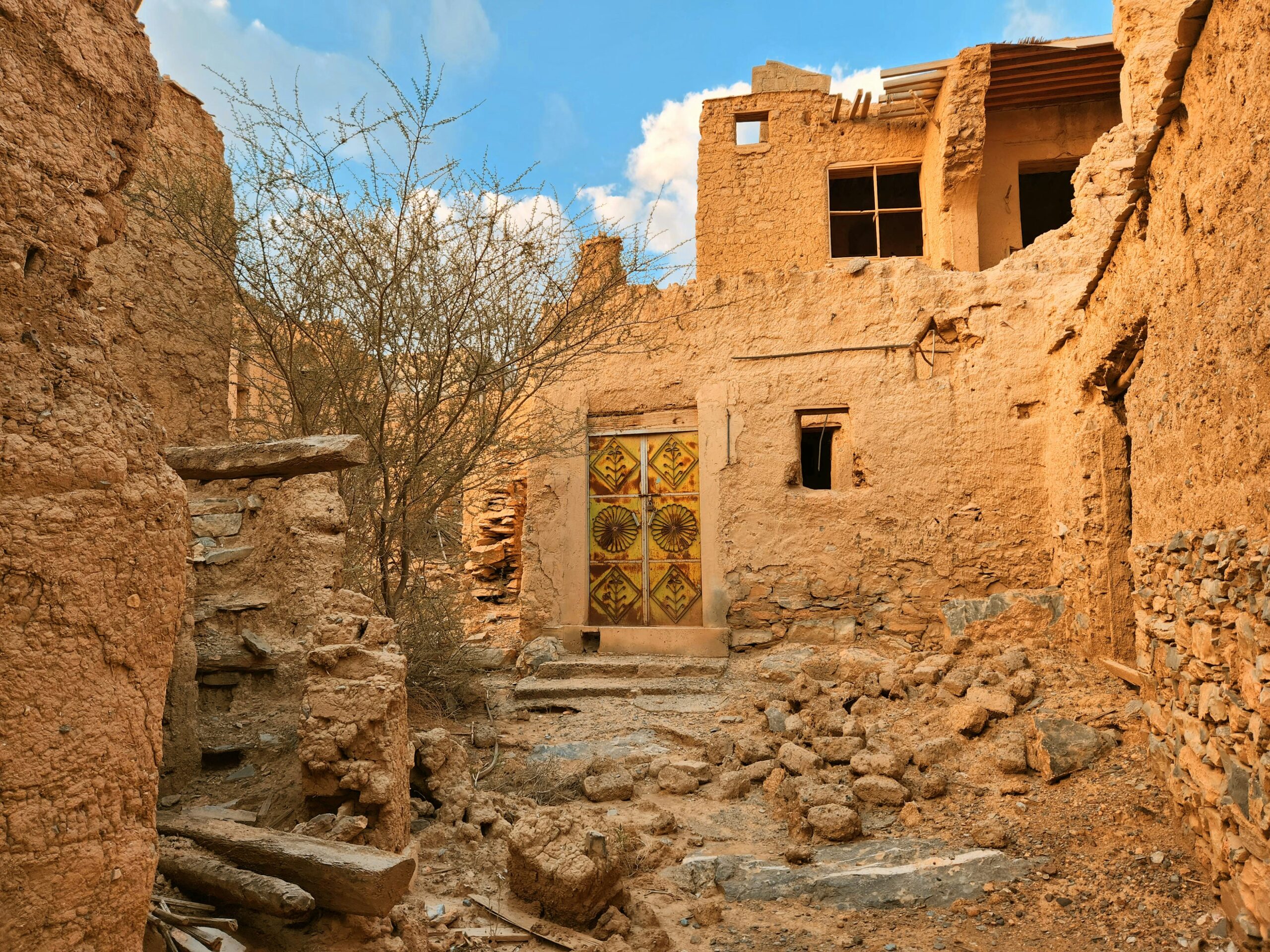
Every haunted place has a story. Kuldhara’s story is equal parts heartbreak and horror.
The Paliwal Brahmins and the Wicked Minister
For nearly 500 years, Kuldhara haunted village was a thriving, prosperous village. The Paliwal Brahmin community had built it from the desert dust skilled farmers who had somehow mastered the art of growing crops in one of the harshest climates on Earth. Their underground water conservation systems were centuries ahead of their time.
They were wealthy, respected, and deeply rooted in this land.
Then came Salim Singh the powerful and feared Diwan (Prime Minister) of the Jaisalmer kingdom in the early 19th century. He was a man of enormous ego and no conscience.
The story goes like this: One day, Salim Singh noticed a young Paliwal girl of extraordinary beauty. He demanded her hand in marriage not as a request, but as a command. He threatened the entire village: comply, or face brutal taxation and punishment.The Palliwals were proud people. They held a secret council that night all 84 villages in the clan gathered their elders. The decision was unanimous. They would never surrender their daughter, But staying meant suffering Salim Singh’s wrath. Leaving meant abandoning everything they had built over generations, They chose dignity over land.
The Night of the Great Exodus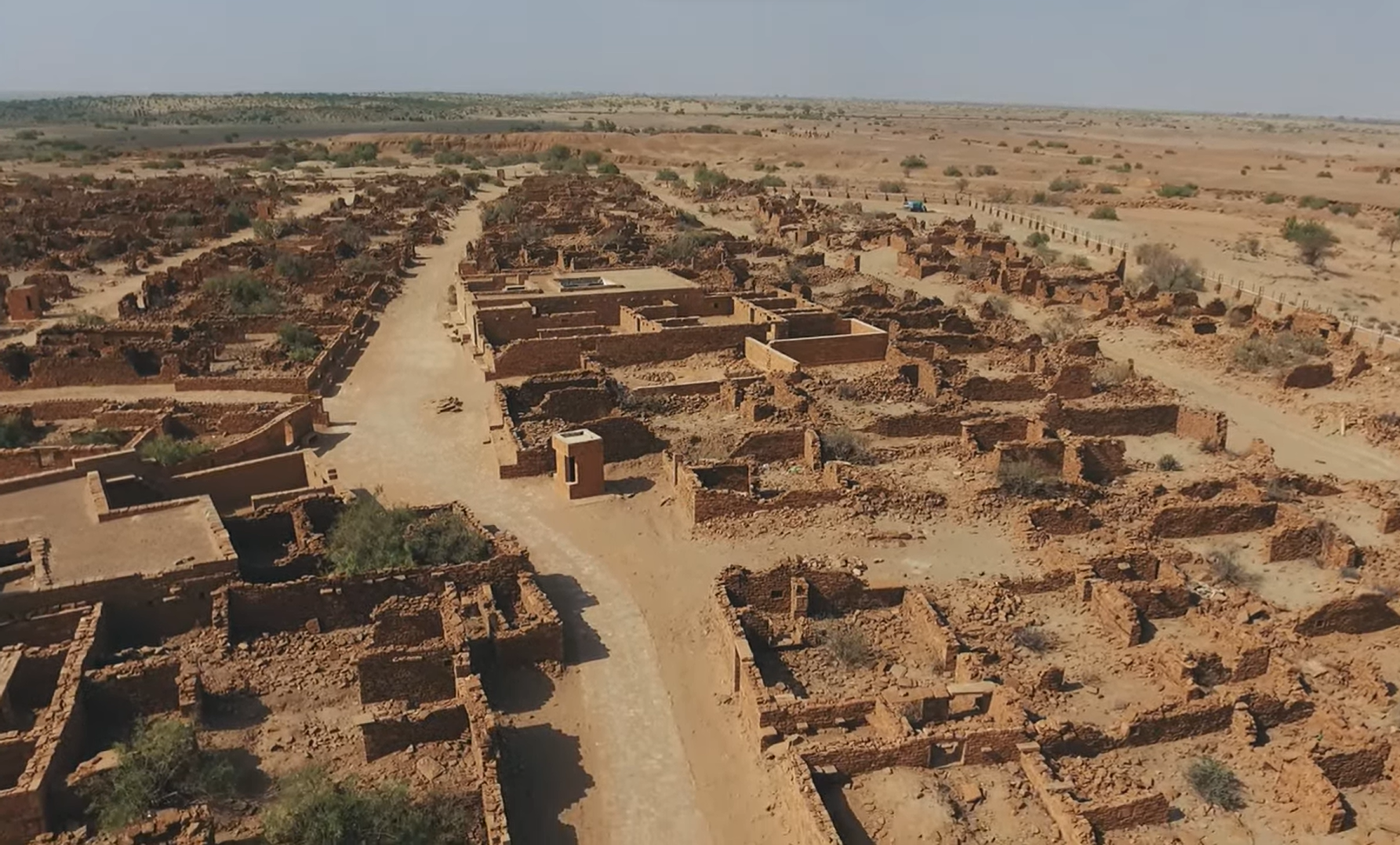
On a dark, moonless night the story says it was a single night every Paliwal family packed what little they could carry and disappeared into the desert. Over 85 villages were abandoned simultaneously.
Before they left, the village elders performed a ritual. They cursed the land. They declared that anyone who tried to settle in Kuldhara haunted village after them would face ruin, madness, and death.
They were never seen again.
No record was ever found of where they went. No descendant community has ever claimed Kuldhara as their ancestral home. It is as if 15,000 people simply dissolved into the desert air.
The Real History: What Actually Happened to Kuldhara Haunted Village?
The legend is compelling. But history, as always, is more layered.
FactChecking the Curse
Historians and archaeologists have studied Kuldhara haunted village for decades. Here’s what the evidence actually suggests:
The Paliwal Brahmins were real. Their engineering genius was documented they built kunds (underground water tanks) and used topographical knowledge to farm in Rajasthan’s brutal heat. Archaeological surveys have confirmed their sophisticated water management systems still partially survive today.
The mass exodus was real. Multiple historical records confirm that the Paliwal community did, in fact, abandon their villages around 1825 CE though the exact timeline remains debated.
The reason? Possibly more complex. Some historians argue the departure was driven by:
- Extreme taxation by Salim Singh historically documented as a corrupt and oppressive ruler
- Declining rainfall and desertification over decades, making agriculture nearly impossible
- A combination of political persecution and environmental collapse
The “single night” exodus is likely romanticized. The actual abandonment may have happened over weeks or months. But the scale over 80 villages simultaneously emptying remains staggering and largely unexplained.
The Salim Singh story has historical legs. Salim Singh Mehta was indeed the Prime Minister of Jaisalmer during this period and is recorded in historical accounts as a notoriously cruel tax collector. His haveli (mansion) still stands in Jaisalmer city an architectural marvel that also serves as a monument to his infamy.
The Kuldhara Haunted Village Claims
Beginning in the 20th century, Kuldhara haunted vilalge started gaining a reputation beyond historical curiosity. Stories began circulating:
- Families who tried to settle here fled after a few nights, reporting strange sounds, shadows, and unexplained phenomena
- The Archaeological Survey of India (ASI) declared it a protected monument, officially preventing settlement though locals whisper the protection came partly because no one wanted to stay
- Paranormal investigators from across India and internationally have conducted overnight vigils, reporting temperature drops, EVP (electronic voice phenomenon) recordings, and equipment malfunctions
The Indian TV channel Zee News conducted an investigation here in 2013. Their reporters claimed to have captured unusual activity on thermal cameras. Whether you believe it or not, the footage went viral.
My Experience: Walking Through Kuldhara at Dusk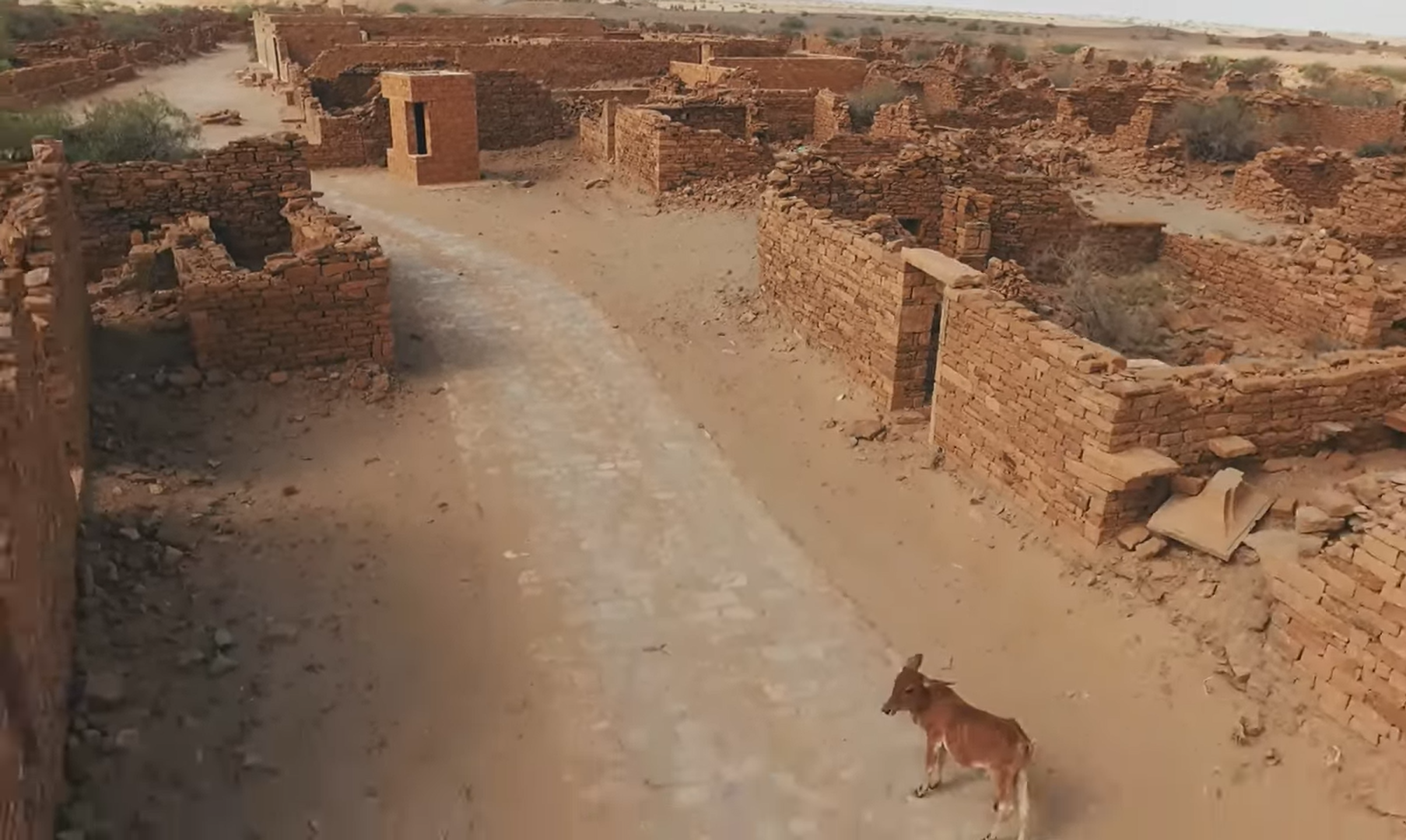
I arrived at Kuldhara haunted village in October the absolute best time, when the desert has cooled but still holds its golden warmth. The approach itself sets the mood. As you drive down the road from Jaisalmer, the landscape empties. Scrubby desert, the occasional camel, and then nothing. Just a stone gateway rising from the sand.
The First Step Inside
There’s a ticket booth. There’s a small museum with historical boards. It all feels very manageable, very ordinary. Then you walk through the main gate. The silence hits you first. Not the silence of a forest or a library this is a hollow silence. The kind that suggests something is present but not making noise. The ruins of homes stretch in rows on either side of a central lane. Doorways that once held families. Courtyards where children played. Walls carved with faded designs. What unsettled me most wasn’t any strange sound or shadow. It was the completeness of the abandonment. Cooking niches built into walls. Stone beds. A well. A small temple, its idol long removed.
This was not a village destroyed. It was a village left.
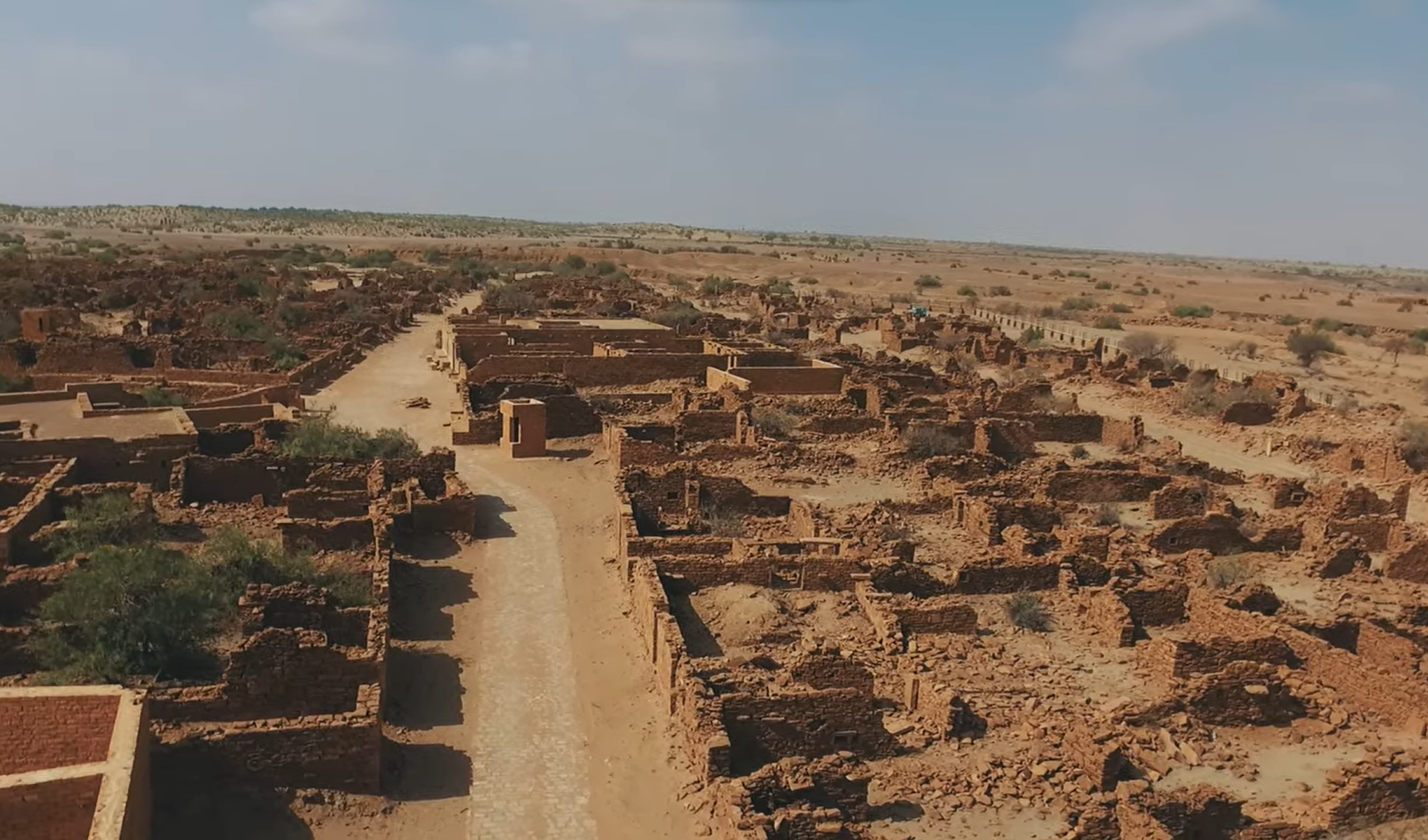
The Temple at the Center At the heart of Kuldhara stands the Shiva temple still intact, still watched over by the ASI. It’s the most wellpreserved structure on site. Locals say the temple was never cursed, only the homes. Standing inside at dusk, with the fading orange light cutting through the stone archway, I felt something hard to describe. Not fear, exactly. More like… being watched by history. Like the walls remembered.
After Sunset When It Gets Interesting The site officially closes at 6:00 PM. You are not permitted to stay after dark, and guards do enforce this. But here’s what I noticed in the 20 minutes before closing: the quality of light changes completely. Shadows pool in the doorways. The desert wind picks up. And every sound a bird, a piece of rubble shifting seems amplified tenfold. I do not claim to have seen anything supernatural. I do claim that Kuldhara, even in full daylight, carries a weight that rational explanation doesn’t fully lift.
Tips for Visiting Kuldhara Haunted Village
- Wear comfortable shoes. The ground is uneven with rubble and loose stones throughout.
- Bring water. There are no refreshment stalls inside the site.
- Get a local guide. A knowledgeable guide brings the history to life dramatically.
- Go on a weekday. Weekends and Indian holidays can get crowded, especially near Jaisalmer’s peak tourist season.
- Combine with nearby sites. Kuldhara haunted village pairs well with the Akal Wood Fossil Park (just 16 km away) and the Sam Sand Dunes for a full desert day.
- Respect the site. Do not remove any stones, artifacts, or debris. The site is protected by the ASI.
- Photography is encouraged but be mindful of other visitors’ experience during quiet moments.
Things to See and Do at Kuldhara
- Explore the ruins of residential homes walk through the lanes and imagine the life that once filled these walls
- Visit the central Shiva temple the most intact structure on site, and architecturally beautiful
- The village museum small but informative, with historical boards, maps, and ASI documentation
- Spot traditional Paliwal architecture notice the unique stone carving techniques and ventilation designs in the walls
- Photography every angle offers a frameworthy shot, especially in golden hour light
- Speak to your guide about the underground water systems many are still visible and represent remarkable ancient engineering
- Observe desert wildlife nilgai (blue bull antelope), desert foxes, and a variety of birds are common in and around the ruins
- Contemplate the silence seriously. Just sit in a doorway for five minutes and let the place speak to you
Nearby Attractions to Combine With Your Visit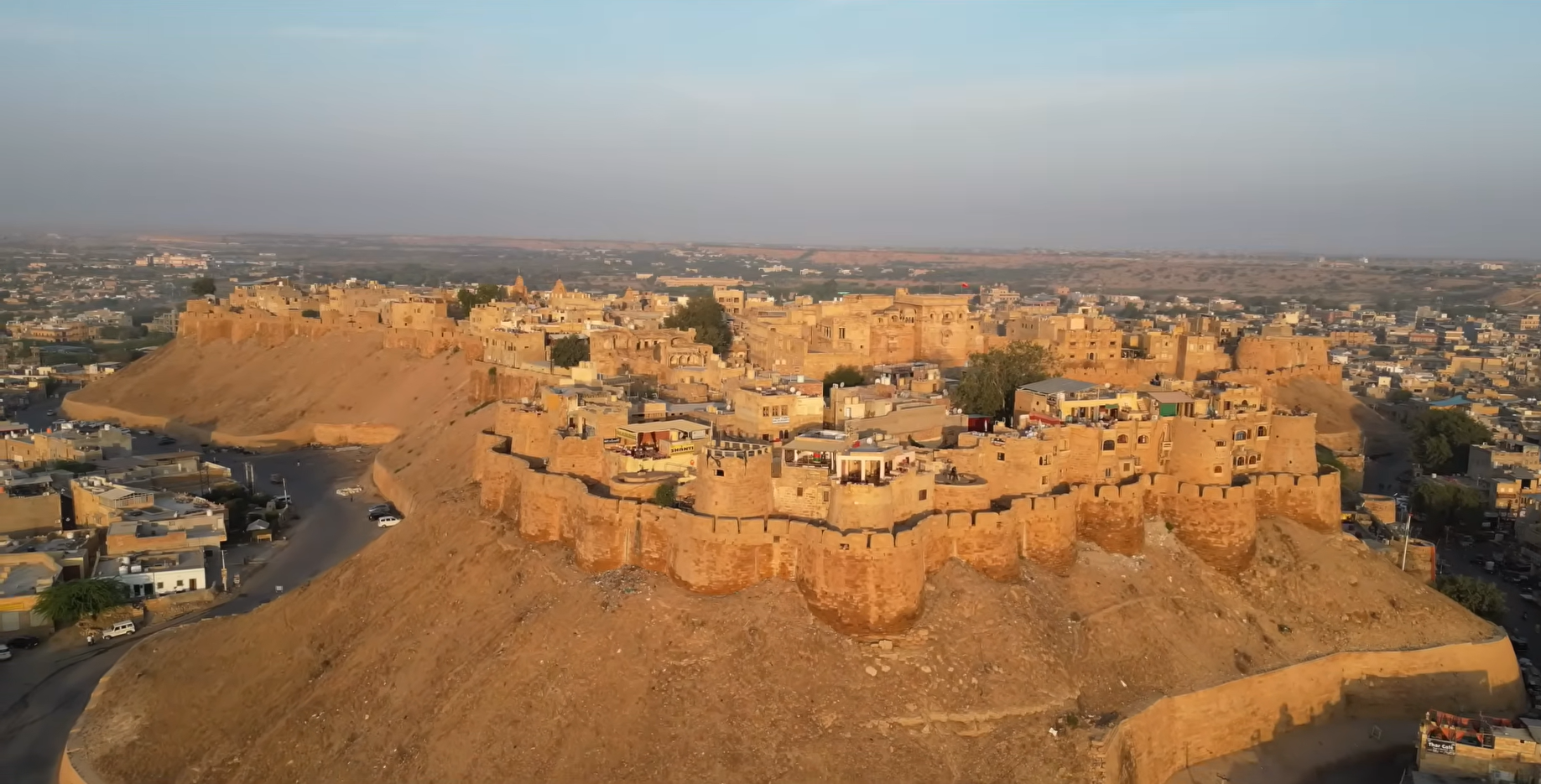
- Jaisalmer Fort (Sonar Quila): A UNESCO World Heritage Site one of the largest living forts in the world
- Patwon Ki Haveli: Stunning 19thcentury merchant mansions with intricate carvings
- Sam Sand Dunes: The classic Thar Desert sunset experience, with camel rides and folk performances
- Gadisar Lake: A peaceful medieval reservoir with temples and migratory birds
- Tanot Mata Temple: A remarkable border temple near Longewala, deeply tied to India’s 1971 war history
Frequently Asked Questions About Kuldhara
Is Kuldhara Haunted Village actually haunted?
There is no scientific evidence of paranormal activity at Kuldhara haunted village. However, dozens of visitors including journalists and investigators have reported unusual experiences: sudden temperature drops, unexplained sounds, and feelings of being watched. The “haunting” is unverified, but the atmosphere is undeniably unsettling. Whether the cause is supernatural or psychological is for you to decide when you’re standing there alone at dusk.
- Can you stay overnight in Kuldhara Haunted Village?
No. The site officially closes at 6:00 PM and overnight stays are strictly prohibited. Security guards enforce closing time. Several groups have been removed from the site after dark over the years.
- Why did the people of Kuldhara leave?
The most widely accepted story involves oppression by Salim Singh, the Diwan of Jaisalmer, who reportedly demanded a Paliwal girl for marriage and threatened the village. Historical evidence also points to severe taxation and possible desertification. The true reason remains officially unresolved which is part of what makes Kuldhara haunted village so fascinating.
- Is Kuldhara haunted village safe to visit during the day?
Yes, absolutely. Kuldhara is a wellmaintained ASI protected site with clear pathways, a ticket booth, and guards on duty. It is very safe for families, solo travelers, and groups during opening hours.
- How long does it take to explore Kuldhara?
Most visitors spend 1 to 2 hours at Kuldhara. If you have a guide and want to explore thoughtfully reading the historical boards, walking all the lanes, and spending time at the temple allow up to 2.5 hours.
- Where did the Paliwal Brahmins go after leaving Kuldhara?
This is genuinely one of history’s mysteries. Despite extensive research, no community has been conclusively identified as the descendants of the Kuldhara Palliwals. Some theories suggest they migrated south toward Gujarat or scattered across Rajasthan and assimilated into other communities. Their disappearance as a cohesive community remains unexplained.
- Is Kuldhara haunted village worth visiting if you’re already in Jaisalmer?
Without question, yes. It’s only 18 km from Jaisalmer, costs very little, and offers a completely different kind of travel experience not a monument to glory, but a monument to loss. No other site in Rajasthan (perhaps in India) gives you this specific feeling of walking through a story that was never finished.