


Plan Your Private India Tour A Complete Guide to a Holiday Made for You
Plan your private India Tour can surprise you before breakfast and leave you thinking about it long after you’ve returned home. One day, you could be exploring the lanes of Old Delhi; the next, watching the sun rise over the Taj Mahal, wandering through a palace in Rajasthan or witnessing the evening ceremonies along the Ganges in Varanasi.
The challenge isn’t finding things to see. It’s deciding how to experience them without trying to fit an entire country into one exhausting holiday.
That’s where a private India tour makes a difference. You can build an itinerary around your interests, travel at a comfortable pace, choose the experiences that matter to you and arrange transport and accommodation to suit your plans.
At India Custom Tours, we help travellers plan personalized journeys through India, with options for private transport, local tour guides, accommodation and customized itineraries according to their requirements. Whether you’re visiting India for the first time, travelling with family or returning to explore somewhere new, this guide will help you understand where to go, how much time to allow, what to budget for and how to start planning your trip.
Why Choose a Private India Tour?
India rewards curiosity, but travelling around it can require some planning. Distances between destinations can be considerable, traffic can affect journey times, and every region offers a different combination of culture, food, architecture and experiences.
A private tour allows you to organize these details around your own priorities rather than following a fixed group schedule.
Travel at your own pace
Some travellers want to spend hours exploring historical monuments. Others prefer photography, shopping in local markets, food experiences or time to relax at their hotel.
With a customized itinerary, you can discuss how much sightseeing you want each day. You can also leave space for spontaneous discoveries instead of filling every hour with another attraction.
Choose destinations that interest you
You don’t have to follow the same route as everyone else.
Perhaps the Taj Mahal is your main reason for visiting India. Perhaps you’d rather explore Rajasthan’s historic cities, visit Varanasi’s riverfront or spend several days in Kerala’s backwaters.
A private India holiday can focus on one region or combine several, provided the distances and available travel time make sense.
Make travelling with family easier
Families and small groups often have different needs. Younger children may need shorter sightseeing days, while older travellers may prefer fewer hotel changes and more time to rest.
Planning these details before departure can make the experience much more comfortable.
Keep the experience personal
A private trip gives you more control over how you travel. You can discuss the type of vehicle, accommodation standards, local guides, sightseeing preferences and special requirements before confirming your arrangements.
The idea isn’t simply to visit more places. It’s to enjoy the places you choose without constantly watching the clock.
Where Should You Go in India?
India has several distinct travel regions, and choosing the right combination is one of the most important parts of planning your holiday.
Here are some excellent starting points.
1. Delhi, Agra and Jaipur: The Golden Triangle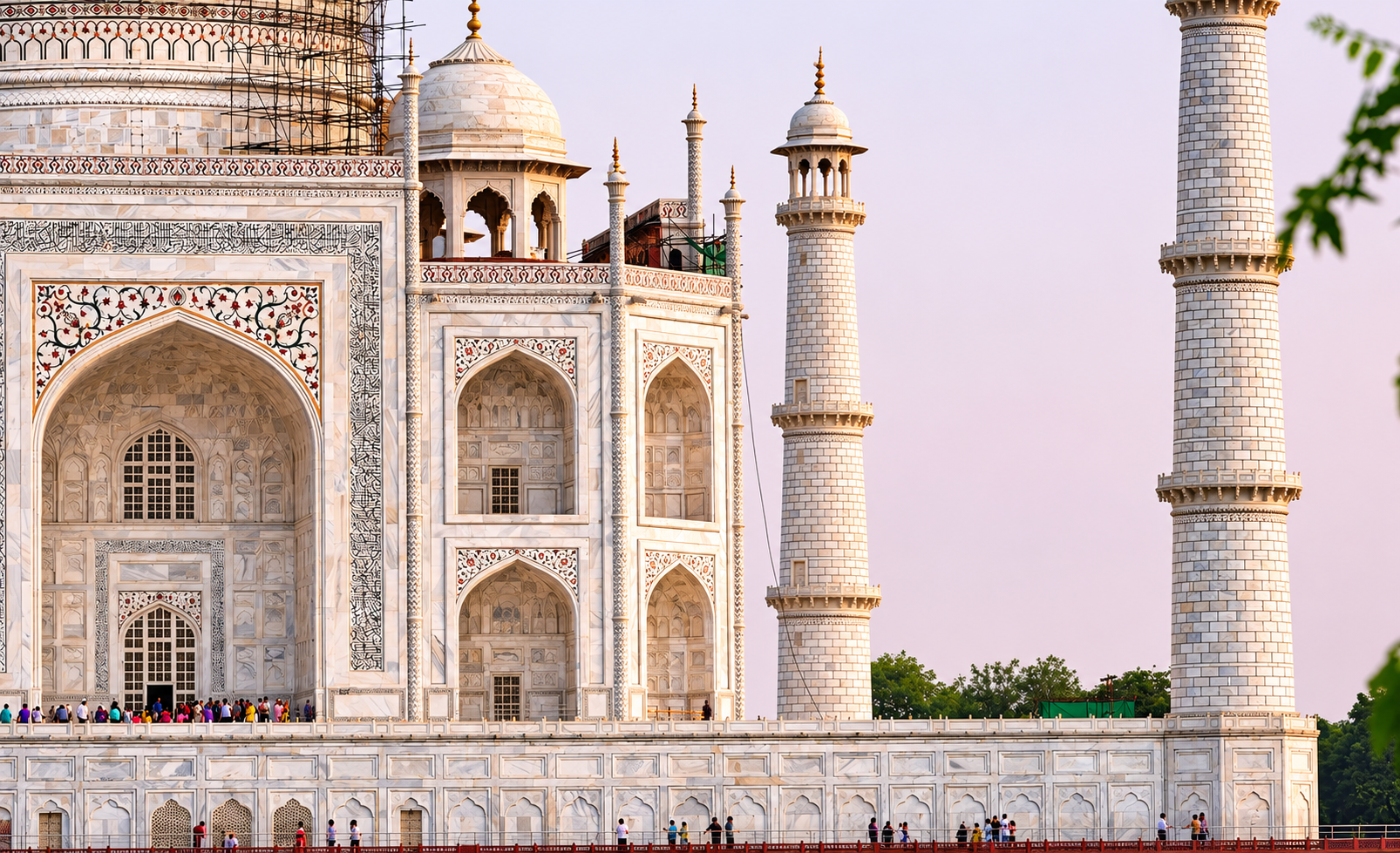
The Golden Triangle is a popular introduction to North India, connecting Delhi, Agra and Jaipur.
Delhi offers a mixture of historic monuments, colourful markets, religious landmarks and contemporary city life. Agra is home to the Taj Mahal and Agra Fort, while Jaipur is known for its palaces, forts, traditional markets and distinctive architecture.
This route works particularly well for first-time visitors who want a manageable introduction to Indian history and culture.
Explore India Custom Tours to discover sample itineraries and private travel arrangements.
2. Rajasthan: Forts, Palaces and Desert Landscapes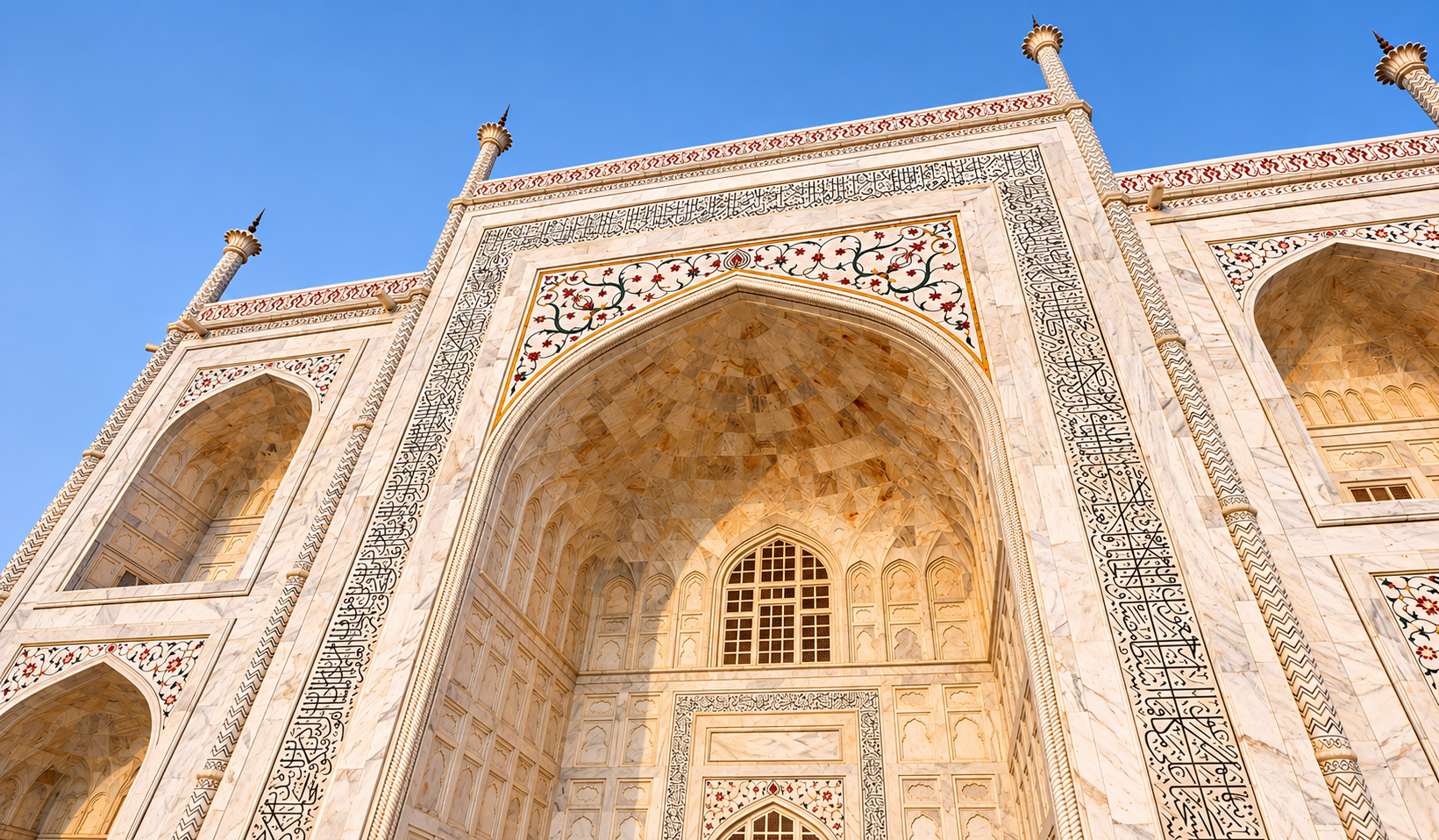
Rajasthan is an excellent choice for travellers drawn to historic cities, royal architecture and desert scenery.
Jaipur, Udaipur, Jodhpur and Jaisalmer each offer a different atmosphere. You can explore impressive forts, wander through old city streets, visit traditional markets and experience the region’s distinct food and cultural traditions.
If Rajasthan is your main interest, give it enough time. Adding too many destinations can turn a memorable road trip into a long succession of hotel check-ins.
3. Varanasi: A Different Side of India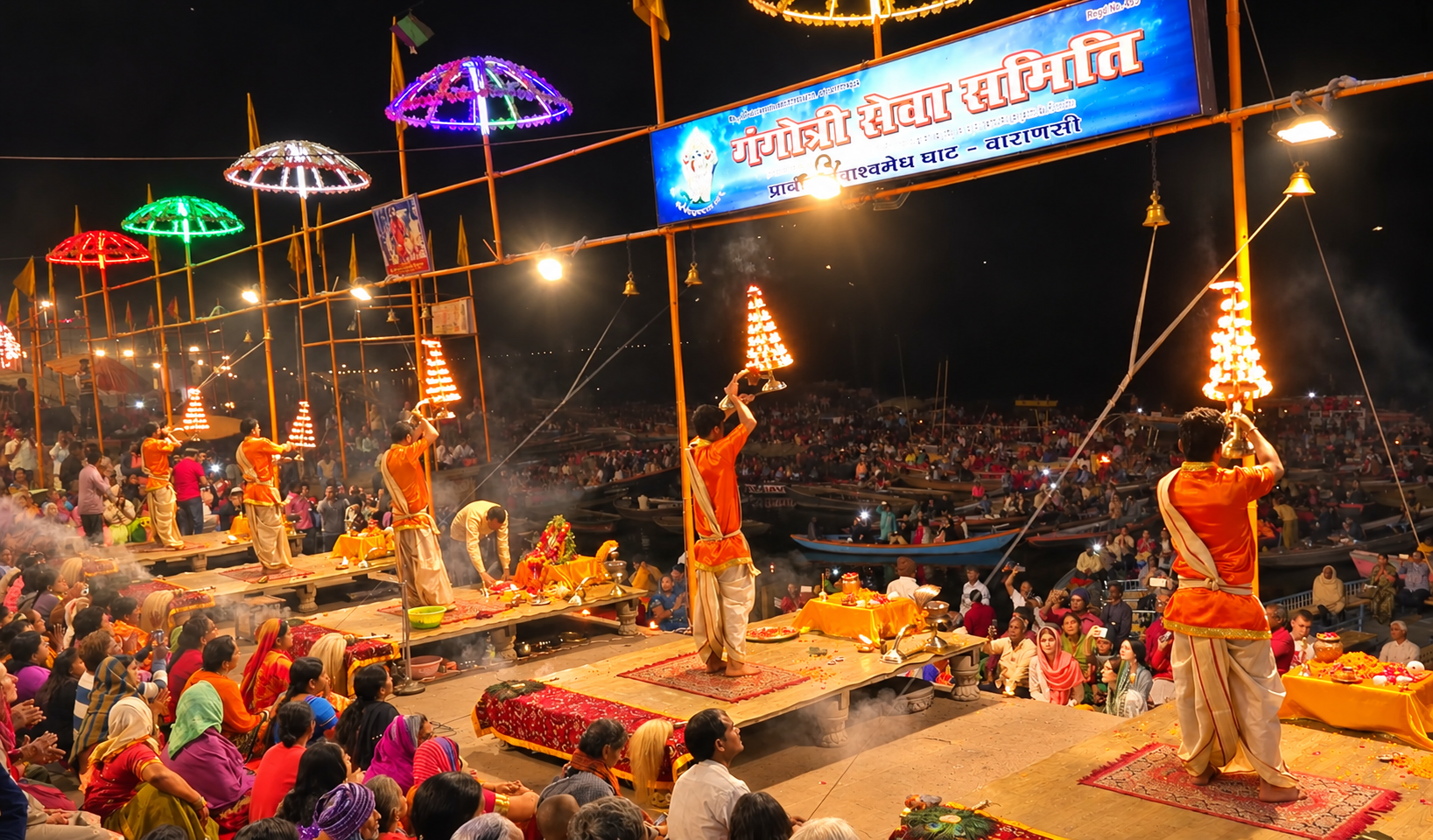
Varanasi offers an experience that differs considerably from Rajasthan’s forts and palaces.
Along the Ganges, you’ll find historic riverfront steps known as ghats, narrow lanes, temples and longstanding spiritual traditions. A boat ride on the river and an evening ceremony can be memorable parts of a visit.
Varanasi also requires a slightly different pace. Early mornings and time to explore on foot can be more rewarding than trying to cover everything in a few hours.
4. Kerala: Backwaters, Hills and Coastal Experiences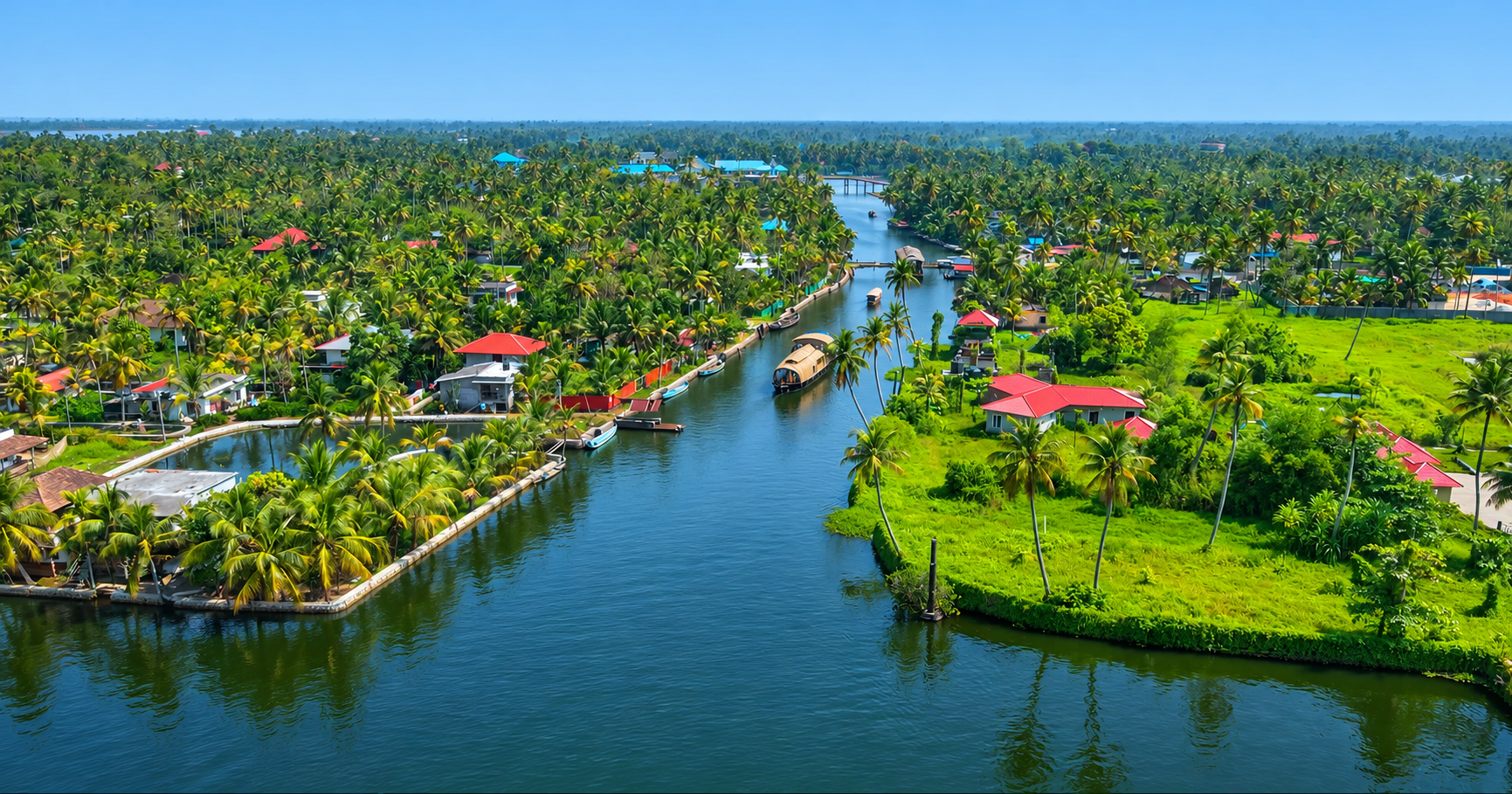
For travellers who want a slower pace, Kerala in southern India offers a different combination of landscapes.
Depending on the route, you can explore the backwaters around Alleppey, visit the hill country near Munnar, experience local food traditions or spend time along the coast.
Kerala can work well as its own holiday or as part of a longer India itinerary. Combining it with North India is possible, but domestic flights and additional travel days need to be considered.
5. Wildlife, Mountains and Less-Visited Destinations
Your holiday doesn’t have to focus exclusively on major cities.
Travellers interested in nature might consider a wildlife safari, while those drawn to mountains may prefer Himachal Pradesh or other Himalayan regions. Depending on your interests, you might also explore rural villages, regional crafts, lesser-known historic towns or spiritual destinations.
The best route depends on what you want to experience, not simply how many places you can add to a map.
How Many Days Do You Need for a Private India Tour?
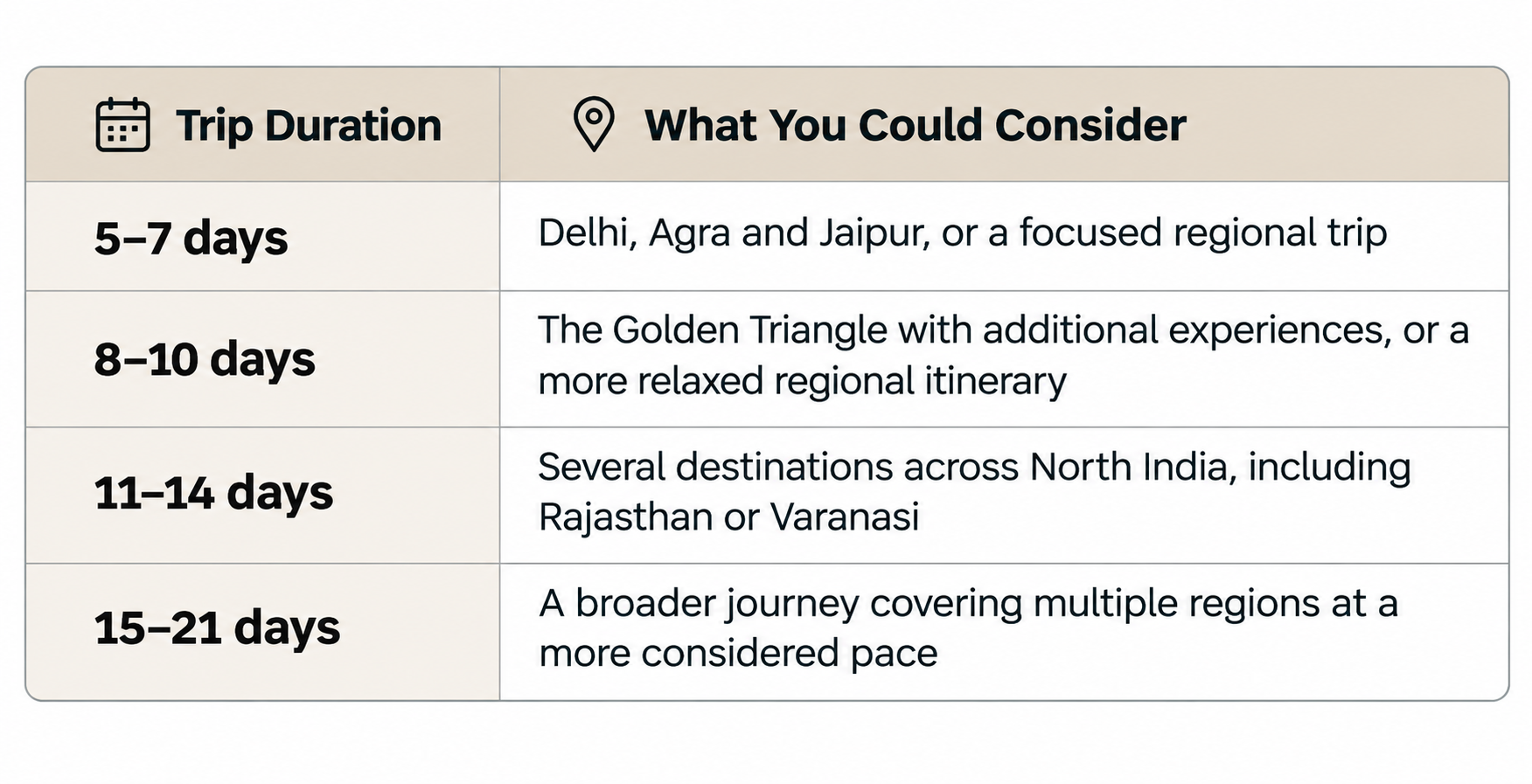
There is no single ideal duration. Your available time, interests, budget and preferred pace all matter. These are general planning suggestions rather than fixed itineraries, The more destinations you add, the more time you’ll spend travelling between them.
For example, a trip covering Delhi, Agra and Jaipur is relatively straightforward to organize by road. Adding Udaipur, Jaisalmer and Varanasi introduces longer journeys or the need to consider domestic flights. A useful rule is to plan your must-see destinations first, then look at the travel time between them. If your itinerary leaves you exhausted before you reach the main attraction, it’s worth simplifying it.
How to plan your private India tour a Itinerary
A good private India tour begins with a few simple decisions. You don’t need to have every detail worked out before approaching a tour operator.
Step 1: Decide when you want to travel
Your travel dates influence the weather, the experiences available and the overall cost of your holiday. If your dates are flexible, discuss the best timing for the particular destinations you want to visit.
Step 2: Make a shortlist of destinations
Choose three or four places that genuinely interest you before adding anything else. Think about what you want from each destination. Is it architecture, history, wildlife, food, photography, spiritual experiences or simply the chance to see everyday life in another part of the world? A clear shortlist makes it easier to develop a realistic route.
Step 3: Decide how you want to travel
For many multi-city journeys, a private car and driver offer convenience because you can arrange stops and travel directly between destinations. Other journeys may be better served by domestic flights or trains. A well-planned itinerary can combine different forms of transport rather than using a car for every single journey.
Step 4: Set a realistic budget
Decide how much you want to spend and what matters most to you. You might prioritize comfortable hotels, a private vehicle, experienced local guides or special experiences. Being clear about your priorities helps a tour operator suggest sensible options.
Step 5: Plan the details that affect your comfort
Think about hotel preferences, dietary requirements, mobility needs, luggage, early starts and how much free time you want. If you’re vegetarian, need specific meals or are travelling with older family members, mention this during the planning stage rather than after the itinerary has been confirmed.
Step 6: Review the itinerary before booking
Check driving times, overnight stops, included services, excluded expenses, cancellation conditions and payment terms. Make sure you understand the complete quotation and have the important arrangements confirmed in writing. A little preparation before departure can save considerable uncertainty during the trip itself.
What Is the Best Time to Visit India?
India’s climate varies widely, so the best time to visit depends on your route.
For many traditional North India sightseeing itineraries, October to March is a popular period because daytime conditions are often more comfortable than during the hottest months. However, winter mornings in some northern cities can be foggy and cold, and popular destinations can be busy. April to June can bring intense heat across much of the northern plains. Travellers visiting during this period may prefer early-morning sightseeing, fewer outdoor activities in the afternoon or routes that include cooler mountain destinations.
The monsoon season, broadly spanning June to September in many regions, brings rain that can affect driving conditions and outdoor plans. It also transforms some landscapes and can be an attractive period for travellers who are comfortable with changing weather. Southern India, the Himalayas and wildlife destinations have their own seasonal considerations, so avoid applying one set of dates to the entire country.
Before confirming your itinerary, consider:
- The weather in each destination.
- Local festivals and major holidays.
- Wildlife park operating seasons and safari availability.
- Expected journey times and potential weather disruptions.
- Whether the activities you want are available on your travel dates.
For official travel information, check India’s Ministry of Tourism and the relevant official visa portal at Indian Visa Online.
How Much Does a Private India Tour Cost?
One of the first questions travellers ask is how much a private India tour will cost. The honest answer is that it depends on the itinerary. A week exploring the Golden Triangle will have different costs from a three-week journey covering Rajasthan, Varanasi and southern India.
Your quotation may be influenced by:
- Duration and destinations: More travel days and longer distances generally increase transport and accommodation costs.
- Vehicle type: The right vehicle depends on the number of travellers, luggage and comfort preferences.
- Accommodation: Budget stays, comfortable mid-range hotels and luxury properties have very different price points.
- Guides and experiences: Private sightseeing guides, cultural activities, safaris and other experiences can add to the overall cost.
- Flights and trains: Domestic transport may be useful or necessary for certain routes.
- Travel season: Hotel rates and availability can change during popular travel periods.
- Included expenses: Entrance fees, meals, taxes, transfers and other services may or may not be included in a quotation.
How to compare tour quotations properly
Don’t compare only the final price. Compare what each company is actually providing. Ask whether the quotation includes the vehicle, fuel, driver expenses, tolls, parking, accommodation, guides, airport transfers and any applicable taxes. Also check which expenses you will pay separately. A lower initial quote isn’t necessarily cheaper if important services are excluded. At the same time, a more expensive package isn’t automatically better. The right choice is the one that meets your needs, has clearly explained inclusions and comes from a company you feel comfortable dealing with.
When contacting India Custom Tours, share your travel dates, number of travellers, preferred destinations and approximate budget. This helps us understand what sort of journey may suit you.
Private Driver or Tour Guide: What’s the Difference?
These services are often confused, particularly by first-time visitors to India. A private driver and a local tour guide serve different purposes, and many travellers benefit from having both.
What does a private driver do?
A private driver helps you travel between destinations and around the places on your itinerary. Depending on your agreed arrangements, the service may include airport transfers, hotel transfers, local transport and intercity journeys. Having a dedicated vehicle can make a multi-city trip easier to coordinate, particularly if you are travelling with family or carrying luggage.Your driver can also help you manage the practical side of getting from one place to another.
What does a local tour guide do?
A professional local guide helps you understand the places you visit.
At a historic monument, a guide can explain its history, architecture, cultural context and significance in ways that are difficult to appreciate from a short description alone. Guides can also help you understand local customs, answer questions and make your sightseeing more meaningful. A driver is not automatically a professional sightseeing guide, so ask which services are included and whether qualified local guides can be arranged where needed.
Which option should you choose?
If your main priority is comfortable transport between destinations, a private driver may be sufficient for much of your journey. If you want deeper historical explanations at monuments and cultural sites, consider adding local guides for selected sightseeing days. You don’t necessarily need a guide for every hour of your trip. The best combination depends on your interests, budget and preferred level of independence.
What Is Included in a Tailor-Made India Tour?
The phrase “customized tour package” can mean different things to different operators, so it’s important to confirm the details. Depending on your requirements and quotation, a private India tour may include some combination of the following:
- Private transport: A vehicle for airport transfers, sightseeing and journeys between cities.
- Accommodation: Hotel reservations based on your chosen comfort level and location.
- Local guides: Sightseeing arrangements with guides at selected destinations.
- Domestic travel: Flights or train journeys where they make sense for your itinerary.
- Sightseeing arrangements: Entrance tickets, safaris and other experiences if specifically included.
- Planning support: Assistance with routes, overnight stops, journey timing and practical travel arrangements.
Not every package includes every service. Meals, monument entrance fees, gratuities, domestic flights and personal expenses are common items to check individually. Before booking, ask for a written breakdown showing what’s included, what’s excluded, the total price, payment schedule and applicable cancellation terms. At India Custom Tours, the itinerary can be discussed around your preferences, with transport, guide services and accommodation arrangements considered according to your requirements.
Is India Suitable for First-Time Visitors and Families?
India can be a rewarding destination for first-time visitors, couples, solo travellers and families. The key is choosing an itinerary that fits your expectations and comfort level.
For first-time visitors & For families
A well-organized route through Delhi, Agra and Jaipur offers a manageable introduction to North Indian history and culture. Having transport arranged in advance can also make airport arrivals, hotel transfers and travel between cities easier to coordinate. Consider fewer hotel changes, shorter travel days and activities that suit the ages and interests of everyone travelling. A flexible itinerary can make it easier to take breaks, adjust sightseeing times and avoid trying to do too much in one day.
For older travellers
Prioritize convenient accommodation, realistic journey times and time to rest. Ask about walking distances, stairs, accessibility and transport arrangements at individual attractions.
For travellers with specific dietary or mobility requirements
Explain your needs before booking. Some requirements can be accommodated with advance planning, although individual facilities and experiences will vary. It’s also sensible to check relevant travel advice, travel insurance, medication requirements and entry documentation before departure. The aim is not to remove every surprise from travelling. It’s to make sure the practical details don’t get in the way of enjoying the experience.
Route: Varanasi, Agra and Rajasthan
If you want a journey that combines royal architecture, historic monuments and spiritual traditions, consider building your private India tour around Rajasthan, Agra and Varanasi. These destinations offer very different experiences, which is precisely what makes the combination interesting.
Delhi: Start with India’s Capital
Begin with time to explore Delhi’s historic landmarks, markets and distinctive neighbourhoods. Depending on your arrival time, you might prefer a relaxed first day followed by a fuller sightseeing day.
Rajasthan: Explore Historic Cities
Continue into Rajasthan, choosing cities that match your interests. Udaipur offers lakeside scenery and palace architecture. Jodhpur is known for its blue-painted old city and impressive fort, while Jaipur offers historic palaces, colourful markets and a lively urban atmosphere. Jaisalmer can be added if desert landscapes and sandstone architecture are priorities, though doing so requires additional travel time.
Agra: Visit the Taj Mahal
Agra is home to the Taj Mahal, one of India’s most recognizable landmarks. Allow enough time to visit the Taj Mahal and Agra Fort rather than treating Agra as just a brief stop between two long journeys. Check current opening arrangements for your intended travel date.
Varanasi: Experience the Riverfront
Finish with time in Varanasi, where the ghats, temples, narrow streets and riverfront ceremonies offer a very different perspective on India. An early-morning visit along the river and an evening ceremony can be highlights, depending on your interests and the arrangements available during your visit.
How long should this route take?
The ideal duration depends on which Rajasthan cities you choose, your flight connections and how much time you want to spend sightseeing. Trying to include every major destination in a short holiday can mean spending too much time on the road. A customized itinerary should balance travel time with opportunities to explore. You can use our Varanasi, Agra and Rajasthan tour as a starting point for discussing this kind of journey. Treat it as inspiration, then confirm the route, number of days, overnight stays and travel connections before booking.
Not every traveller needs the same itinerary. Some will prefer more time in Rajasthan; others may want to focus on Varanasi and Agra. The best version is the one that fits your trip.
Frequently Asked Questions
1. How do I plan a private India tour?
Start by deciding when you want to travel, how many days you have, which destinations interest you and your approximate budget. Then discuss the route, transport, accommodation and sightseeing arrangements with a tour operator. Confirm the final itinerary and inclusions in writing before booking.
2. What is the best itinerary for a first trip to India?
The Golden Triangle Delhi, Agra and Jaipur is a popular starting point. Travellers with more time can add destinations in Rajasthan, Varanasi or other regions depending on their interests and preferred pace.
3. How far in advance should I book a private India tour?
Begin planning several months ahead if you are travelling during a popular period, have fixed dates or want particular hotels and experiences. More flexible trips may need less advance planning, but availability should always be confirmed before making commitments.
4. Can I customize an existing India tour package?
Yes, many private tour operators offer customizable itineraries. You may be able to change destinations, add overnight stays, select a different vehicle or adjust sightseeing arrangements, subject to availability, feasibility and cost.
5. Can I book a private driver and hotels together?
Some tour operators can coordinate private transport, accommodation and other travel arrangements in one itinerary. Confirm exactly which services are included in your quotation and which must be booked separately.
6. Is a private driver enough for sightseeing in India?
A private driver is useful for transport and transfers. For deeper explanations of history, architecture and culture at major monuments, a professional local guide can add considerable value. The right combination depends on your interests and budget.
7. How much does a private India tour cost?
The cost depends on the number of days, destinations, vehicle, accommodation, guides, domestic travel and included activities. Request an itemized quotation and compare the inclusions instead of looking at the headline price alone.
8. Is India suitable for a family holiday?
Yes, many families enjoy private tours because they can tailor the itinerary to their needs. Plan manageable travel days, suitable accommodation and enough time for rest, and discuss children’s ages and any special requirements before booking.
9. What should I tell a tour operator before requesting a quote?
Share your travel dates, number of travellers, preferred destinations, trip duration, approximate budget, hotel preferences and any special requirements. Mentioning what you enjoy most about travelling also helps the operator recommend a more suitable itinerary.
10. Can I combine Rajasthan, Agra and Varanasi in one trip?
Yes. The route can be arranged with a combination of road journeys and, where appropriate, domestic flights or trains. The best sequence and duration depend on your chosen cities, flight schedules and how much sightseeing time you want.
Plan Your Private India Tour with India Custom Tours
India is much more enjoyable when the journey reflects what you actually want to experience.
Perhaps you want to stand in front of the Taj Mahal at sunrise, explore Rajasthan’s old cities, wander through local markets or take an early-morning boat ride on the Ganges. Perhaps you’re looking for a comfortable family holiday with a private driver, carefully chosen hotels and sightseeing arranged in advance.
Whatever draws you to India, the first step is simply to start a conversation.
Tell us when you’re planning to travel, how many people will be joining you, which destinations interest you and what kind of experience you’re looking for. We’ll use those details to understand your requirements and discuss a suitable itinerary.
Ready to Plan your private India Tour?
Visit India Custom Tours to explore our sample tours and travel services, or contact us to plan your private India tour.
Let’s create an Indian journey that feels like yours—not a holiday spent rushing from one checklist to the next.
India Custom Tours — Let’s explore India together.