



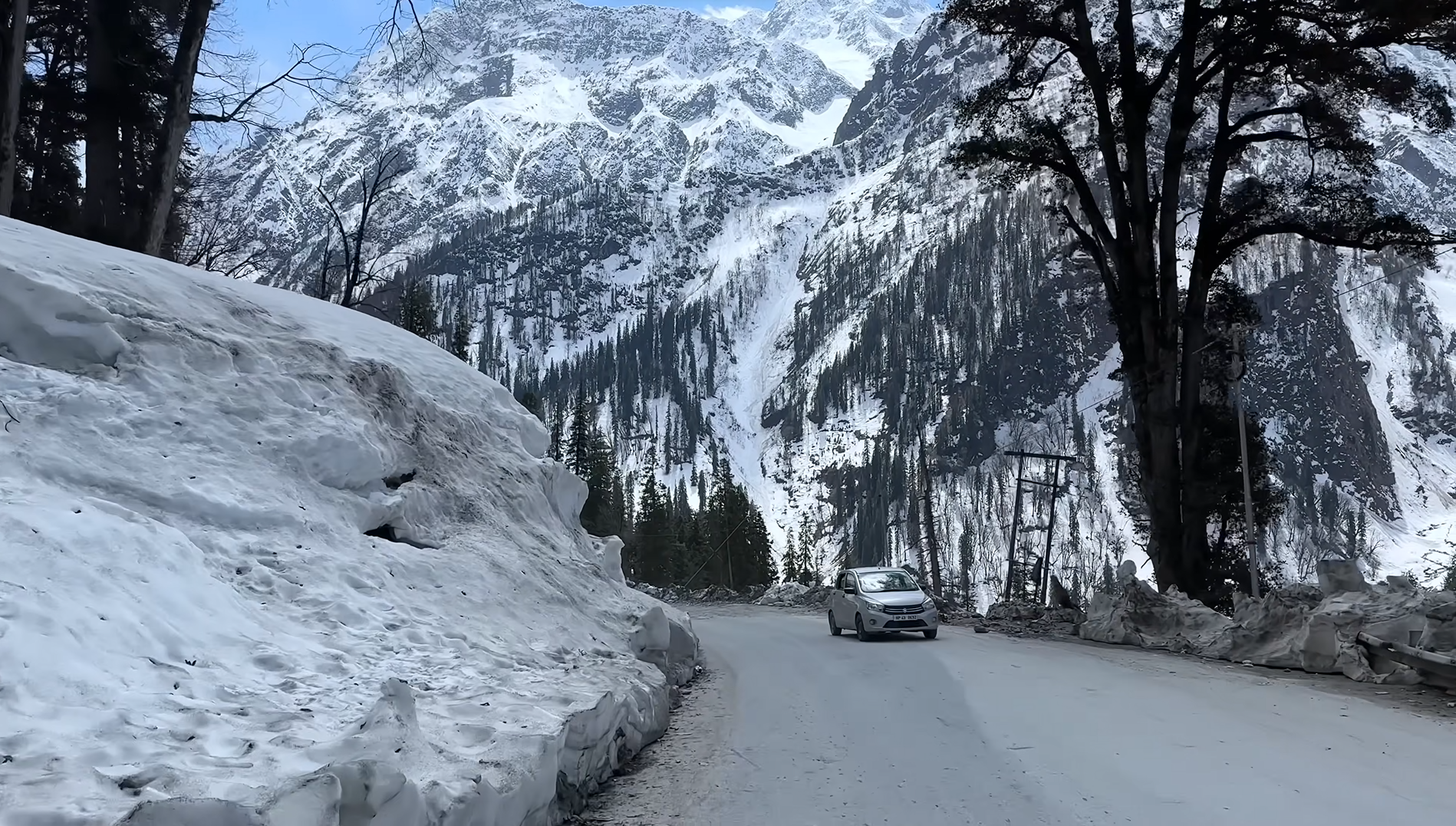
Shimla Manali Tour Package – Complete Guide (Best Itinerary, Cost, Places to Visit & Tips)
Shimla Manali Tour Package
Complete Guide (Best Itinerary, Cost, Places to Visit & Tips)
A Shimla Manali Tour Package is one of the most popular mountain holidays in India. It is perfect for couples, families, friends, and anyone who wants a relaxing break in cool weather. Shimla offers calm scenic beauty and colonial charm, while Manali brings snow, adventure, and stunning valleys. This guide explains everything clearly best itinerary, cost, hotels, time to visit, attractions, and travel tips so you know exactly what to expect before booking.
BestccPackage Itinerary (5 Nights / 6 Days)
The most preferred itinerary starts from Delhi and covers both Shimla and Manali in a smooth and comfortable journey.
On Day 1, most travelers begin from Delhi and drive towards Shimla. The route is long but scenic, and the journey becomes beautiful after entering the Himalayan region. After reaching Shimla, travelers explore the evening charm of Mall Road, The Ridge, and Christ Church.
On Day 2, the focus stays on Shimla local sightseeing. Most travelers visit Kufri Valley for adventure activities, Green Valley for photography, Jakhoo Temple for views, and Lakkar Bazaar for shopping. The day remains light, peaceful, and relaxing.
On Day 3, the journey moves from Shimla to Manali. This part is extremely beautiful and includes stops like Pandoh Dam, Sundar Nagar Lake, Kullu rafting point, and the famous shawl factory. By evening, you reach your Manali hotel and rest.
On Day 4, the tour covers Solang Valley, known for adventure sports and snow activities. Depending on weather conditions, trips to Atal Tunnel and Sissu Waterfall are also included. Activities like paragliding, skiing, ATV rides, and snow scooters are very popular here.
On Day 5, you explore Manali town. Most people visit Hadimba Temple, Vashisht Hot Springs, Van Vihar, Tibetan Monastery, and Mall Road. It is a simple and relaxing day meant for local culture and shopping.On Day 6, the tour ends with a return drive to Delhi, completing a beautiful mountain vacation.
Shimla Manali Tour Package Cost (Per Person)
The cost of a Shimla Manali package depends on the hotel category, cab type, and travel season. Budget packages are usually between ₹7,500 to ₹11,000 per person and include basic hotels and a shared or small cab. Standard packages range from ₹12,000 to ₹17,000 and include good-quality hotels with a private cab. Deluxe packages fall between ₹18,000 and ₹25,000 and are preferred by couples. Luxury packages start from ₹26,000 and go beyond ₹40,000 when high-end hotels and premium cars are included. Prices may also change during peak seasons like summer and winter snow months.
Hotels Included in Most Packages
In Shimla, most tour packages include well-reviewed hotels like Hotel Woodrina, The Zion, or Snow Valley Resorts. These offer views, good rooms, and easy access to tourist spots. In Manali, popular package hotels include Amara Resorts, The Orchard Greens, and Snow Peak Retreat. These hotels offer comfortable stays, peaceful surroundings, and local hospitality. Hotels can be fully customized based on your budget and travel preferences.
Best Time to Visit Shimla Manali
The best time for this package depends on what kind of experience you want. Summer months from March to June are ideal for sightseeing and pleasant weather. Winter months from December to February are best for snowfall and a romantic holiday. Monsoon months from July to September are peaceful and budget-friendly, but you should expect occasional rain. Every season offers a different charm, so you can choose based on your travel style.
How to Reach Shimla & Manali?
Most people prefer traveling by road because it offers a comfortable and scenic journey. The most common option is traveling from Delhi to Shimla and then to Manali in a private car. You can also fly to Chandigarh Airport, which is the nearest major airport for Shimla. For Manali, the closest airport is Kullu (Bhuntar) Airport, but flights can be limited depending on the season. Road travel remains the most flexible and convenient option for this tour.
Major Attractions Covered in Shimla Manali Tour Package
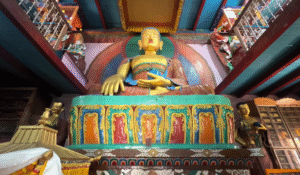
A Shimla Manali package covers all major attractions. In Shimla, travelers enjoy places like Mall Road, Christ Church, Green Valley, Kufri Adventure Park, and Jakhoo Temple. These locations offer a mix of adventure, views, and history. In Manali, the main attractions include Solang Valley, Atal Tunnel, Hadimba Temple, Vashisht Hot Springs, Club House, Tibetan Monastery, and Old Manali. These spots cover snow, nature, spirituality, and local culture, giving you a complete experience.
Why Choose a Car-Based Shimla Manali Tour Package?
Most travelers prefer a private car for this tour because it gives full freedom. You can stop anywhere for photos, take breaks when needed, and travel at your own pace. It is also safer and more comfortable for families, couples, and groups. A private car ensures privacy and helps you explore both Shimla and Manali without rush or fixed group timings. It also offers a smoother experience during mountain travel.
Book Your Shimla Manali Tour Package Today
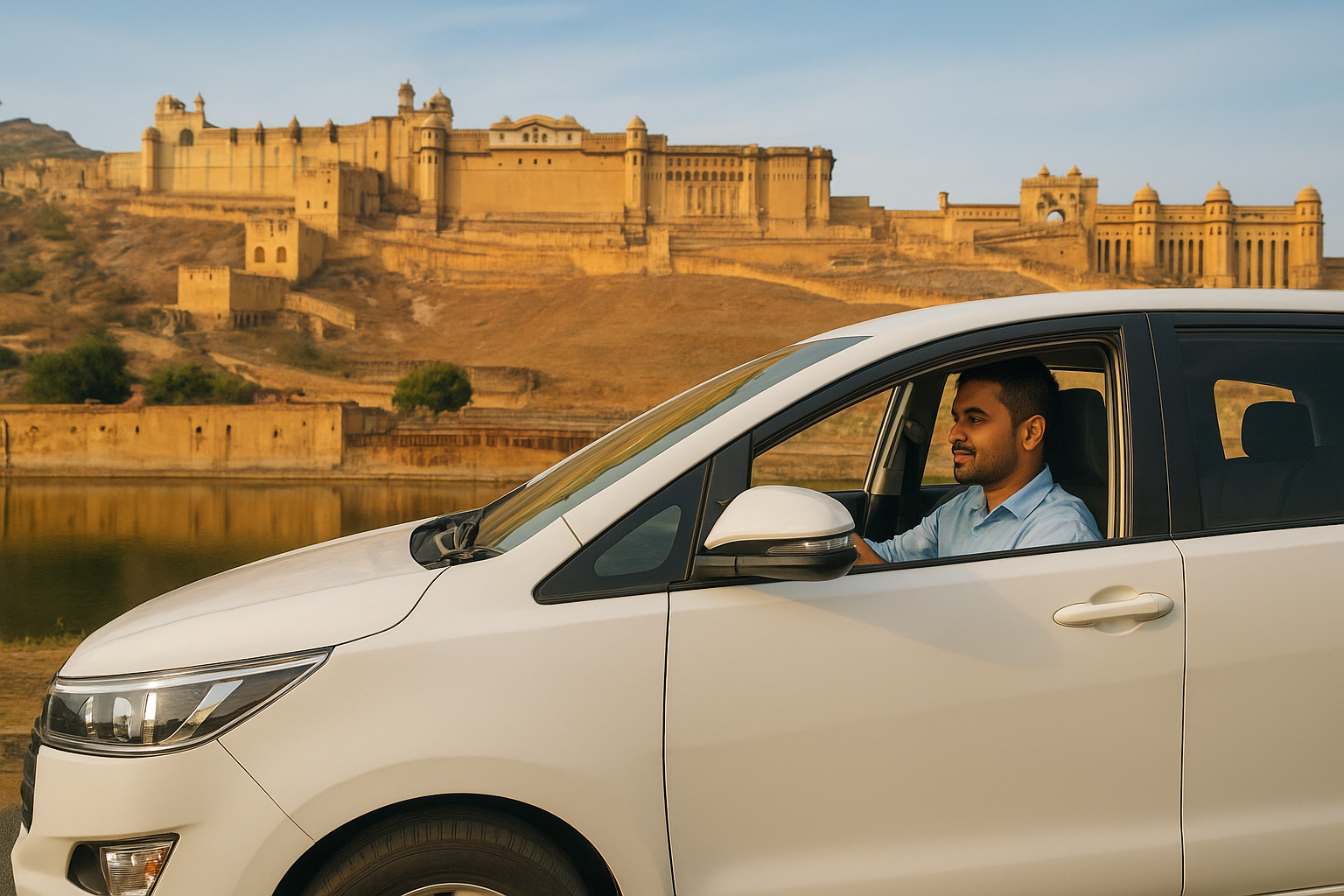
Private Driver in Rajasthan
Private Driver in Rajasthan | The Complete Guide to Traveling Comfortably Across the Land of Kings
Rajasthan, the Land of Kings, is one of the most beautiful and diverse states in India. From the pink-colored streets of Jaipur to the blue houses of Jodhpur and the golden sands of Jaisalmer, this royal state is a place every traveler dreams to visit. However, exploring Rajasthan on your own can be tiring and confusing because of long distances, traffic, and the variety of places spread across the desert state.
That is why more and more travelers now prefer to hire a private driver in Rajasthan. With a professional driver, you can enjoy a safe, comfortable, and flexible journey while experiencing the real beauty of the region. Instead of worrying about maps, parking, or local transportation, you can sit back, relax, and enjoy the changing landscapes as your driver takes you wherever you wish to go.
A private driver doesn’t just make travel easy they make it meaningful. You can stop anywhere for photos, explore small villages, visit local markets, and take your time at attractions. This is the freedom that only a private car with a local driver can offer.
Why Hiring a Private Driver in Rajasthan Is the Best Decision
Hiring a private driver in Rajasthan transforms your trip into a completely stress-free experience. First, it brings comfort and convenience. The car comes directly to your hotel, airport, or railway station, so you don’t need to drag your luggage around. You can travel in an air-conditioned car that remains with you for the entire trip, ready whenever you are. Rajasthan’s climate can be harsh during the day, especially between March and June, so having a cool, clean vehicle waiting for you makes a huge difference.
Second, it brings the advantage of local knowledge. A driver from Rajasthan knows every hidden lane, the quickest way to each attraction, and the cleanest food stops along the road. They can suggest when to visit popular monuments to avoid crowds, where to have authentic Rajasthani food, and which local bazaars are worth exploring. This local touch adds depth to your travel experience.
Most importantly, a private driver offers flexibility. You don’t need to follow fixed bus schedules or be rushed by group tour timings. If you find a beautiful viewpoint, you can stop. If you want to spend extra time at a fort or a lake, you can easily do so. This sense of freedom is what makes a private driver service truly special.
Safety and reliability are also big benefits. Professional drivers are licensed, trained, and experienced with long-distance drives and city traffic. They ensure smooth travel, follow safe routes, and handle all driving challenges — so you can focus on exploring, not worrying.
Who Should Hire a Private Driver in Rajasthan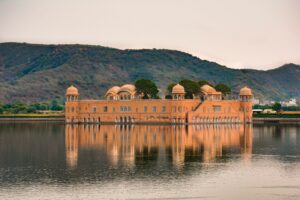
Anyone who values comfort, convenience, and personalized travel can benefit from hiring a private driver. Families with children or elderly parents will find this option especially useful because it eliminates the physical strain of public transport. Couples planning a romantic trip to Rajasthan often choose private drivers so they can enjoy their time together without any distractions.
Solo travelers also prefer private drivers, especially if they are visiting India for the first time. Having a local driver gives them confidence and a sense of safety while exploring a new culture. For groups of friends, a private car with driver allows everyone to stay together, share costs, and travel without worrying about directions or schedules. Even business travelers often book private drivers to save time and keep their plans flexible during meetings or site visits.
Choosing the Right Vehicle for Your Trip
Selecting the right car is an important part of booking a private driver in Rajasthan. Travelers on a short trip within a city such as Jaipur or Udaipur can choose a comfortable sedan like a Toyota Etios or Honda City. These cars are perfect for two to three people with light luggage.
If you’re planning a longer journey across multiple cities, an SUV such as Toyota Innova or Mahindra XUV offers extra space and comfort. It handles Rajasthan’s desert roads better and provides enough room for your bags and souvenirs. For groups of eight or more, a tempo traveler or minibus is ideal. It keeps everyone together and makes long drives enjoyable.
Luxury travelers can also opt for high-end vehicles like BMWs or Mercedes models for added comfort and elegance. When you book, it’s best to mention the number of passengers, luggage details, and the route you plan to take so the agency can recommend the most suitable vehicle.
Sample Itineraries with a Private Driver
One of the biggest advantages of hiring a private driver in Rajasthan is the freedom to customize your itinerary. You can design your journey exactly as you wish.
For travelers with limited time, a two-day Jaipur city tour is perfect. On the first day, your driver can take you to Hawa Mahal, City Palace, and Jantar Mantar, followed by evening shopping at Bapu Bazaar. On the second day, you can visit Amber Fort, stop at Jal Mahal for photos, and enjoy a panoramic view from Nahargarh Fort before departure.
If you want to explore more cities, a four-day trip from Jaipur to Jodhpur works wonderfully. You can spend the first two days in Jaipur, drive through Pushkar and Ajmer on your way to Jodhpur, and explore Mehrangarh Fort and Jaswant Thada before heading home.
For desert lovers, a private driver can take you from Jodhpur to Jaisalmer for an unforgettable three day journey. You can experience the desert safari, enjoy the sunset at Sam Sand Dunes, and spend a night under the stars at a desert camp. Travelers who want a complete Rajasthan experience can plan a seven-day circuit covering Jaipur, Udaipur, Jodhpur, and Jaisalmer. With your own driver, covering these long distances becomes smooth and enjoyable.
How to Book a Private Driver in Rajasthan
Booking a private driver is easy if you know what to look for. The first step is to plan your route list the cities you want to visit and your arrival and departure dates. Then contact a reliable travel agency like India Custom Tours to get a personalized quote. Always check what’s included in the price. Some agencies include fuel, tolls, and parking fees in the total cost, while others charge them separately.
Once you confirm your booking, you usually pay a small deposit and receive details of your driver and car. On the day of arrival, the driver will meet you at the airport, railway station, or hotel. A professional driver will always carry proper identification and vehicle documents. It’s a good idea to keep the agency’s contact number handy in case of any questions during the trip.
Understanding Prices and Comparing Quotes
The cost of hiring a private driver in Rajasthan depends on several factors such as vehicle type, travel duration, and distance. Most companies charge either per day with a limit on kilometers or per kilometer with a minimum charge. For example, city tours are often priced per day, while long routes between cities are calculated by distance.
When comparing prices, don’t look only at the base rate. Check whether it includes driver allowance, tolls, fuel, and parking. Some agencies offer “all-inclusive” packages that can save money, while others have lower base rates but many add-ons. It’s also wise to ask about overtime or night-halt charges if your trip may extend beyond regular hours. Transparency in pricing is a key sign of a trustworthy agency.
Safety and Driver Qualifications
Safety is a top priority when choosing a private driver in Rajasthan. Reputable agencies ensure that all their drivers hold valid commercial driving licenses, have several years of experience, and maintain clean records. The vehicles are regularly serviced, insured, and equipped with first-aid kits.
Before starting your journey, you can politely ask to see the driver’s license and vehicle papers. For female travelers or solo tourists, it’s recommended to book through a well-known company that verifies its drivers and offers 24-hour customer support. You should also keep copies of your itinerary and contact details with a family member for peace of mind.
Best Time to Visit and Local Travel Tips
The ideal time to visit Rajasthan is from October to March when the weather is pleasant and suitable for sightseeing. Summers can be extremely hot, especially in cities like Jaisalmer and Bikaner, so a private air-conditioned car becomes even more valuable during that season.
When traveling around Rajasthan, start your day early — around 7 or 8 a.m. — to enjoy attractions before the midday heat. Your driver will often know good roadside cafes and traditional dhabas where you can try authentic Rajasthani dishes like dal baati churma or gatte ki sabzi. Always carry water, sunscreen, and a hat during sightseeing.
Respecting local customs is also important. Rajasthan is rich in culture and spirituality. Dress modestly while visiting temples or rural areas, and always remove footwear before entering holy places. Drivers can guide you about local manners, bargaining tips in markets, and safe photography spots.
Cancellations, Changes, and Refunds
Our company provide flexible booking policies. If your travel dates change, you can often reschedule your private driver without losing your deposit, especially if you inform the company in advance. Free cancellations are usually allowed within a specific period, for example, up to one or two weeks before departure. Always confirm refund and change rules in writing before you make any payment. This avoids confusion and ensures you are protected in case of unexpected changes.
Frequently Asked Questions
What does a private driver in Rajasthan include?
When you hire a private driver, the service generally includes the car, driver, and fuel for an agreed number of hours or kilometers. Parking fees and toll taxes may or may not be included depending on the package.
Can I get an English-speaking driver?
Yes, most professional agencies provide English-speaking drivers who are experienced in assisting international travelers.
Is it safe for solo travelers?
Absolutely. Hiring through a registered agency ensures safety, and most drivers are polite, professional, and trustworthy.
How can I change my itinerary during the trip?
You can usually modify your plan easily by informing the driver or the agency. Additional costs may apply if the distance increases.
Do I need to tip the driver?
Tipping is not mandatory, but it’s a kind gesture if you’re satisfied with the service. A small daily tip is appreciated.
Hiring a private driver in Rajasthan is not just a luxury — it’s a practical and comfortable way to explore India’s royal state. It lets you travel freely, discover hidden places, and experience the warmth of local hospitality without any travel stress. You can plan your days your way, stop for photos whenever you want, and move at your own pace — something no fixed group tour can offer.
Rajasthan’s charm lies in its forts, palaces, villages, and colorful culture — and a private driver connects all these experiences seamlessly. Whether you’re visiting Jaipur’s pink palaces, watching sunset at Udaipur’s lakes, or sleeping under desert stars in Jaisalmer, your driver ensures that the journey is as memorable as the destination.
If you’re ready to explore Rajasthan comfortably, safely, and in true royal style, book your private driver today with India Custom Tours. Our professional, English-speaking drivers and clean, air-conditioned cars will make your Rajasthan journey smooth, flexible, and unforgettable.
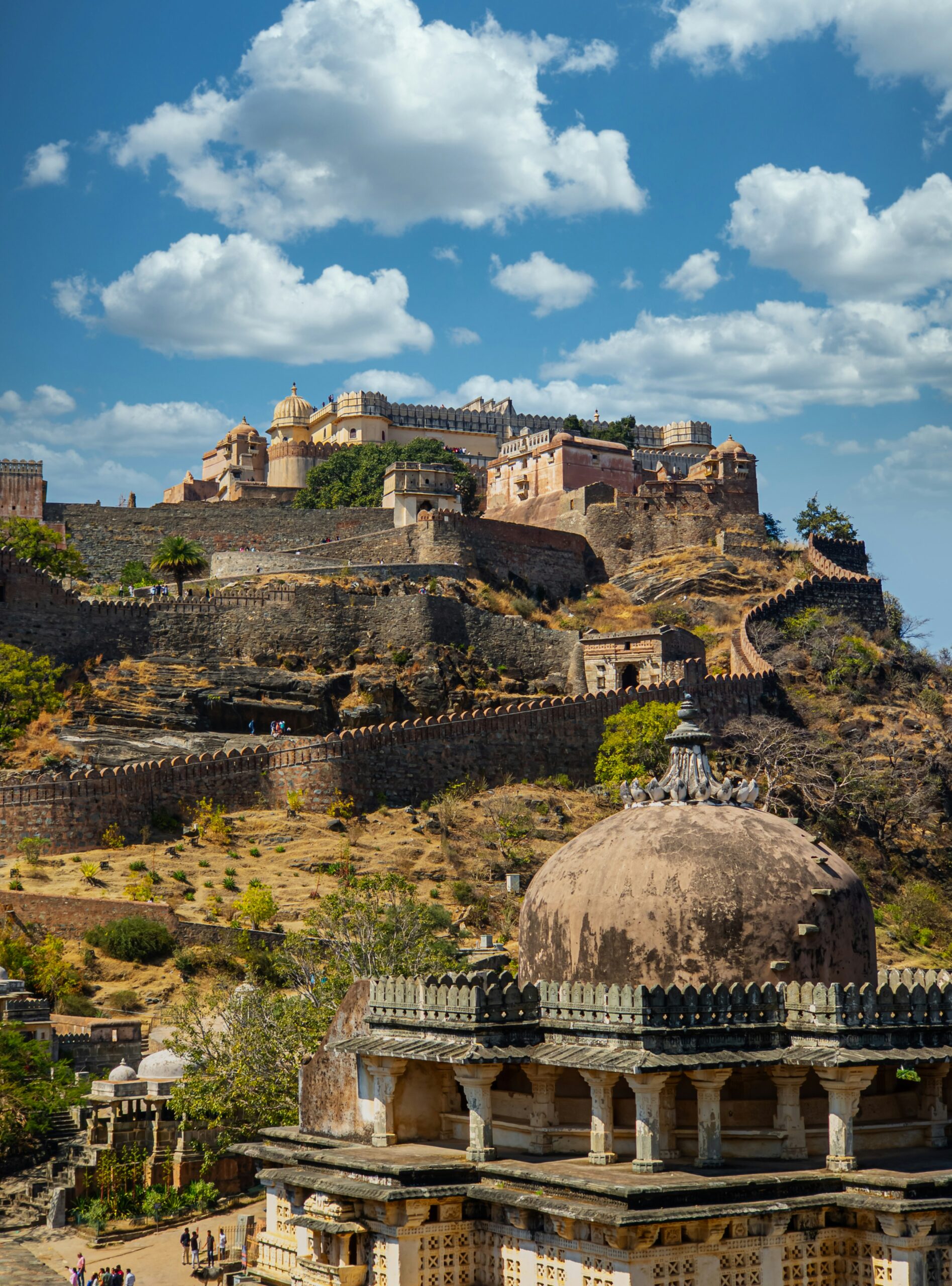
Kumbhalgarh Fort Rajasthan: Guide to Great Wall of India
Kumbhalgarh Fort Rajasthan: Complete Travel Guide to the Great Wall of India
India
While most foreign travelers to Rajasthan gravitate toward Jaipur, Jodhpur, and Udaipur, there lies a hidden gem tucked away in the Aravalli Hills the legendary Kumbhalgarh Fort. Built in the 15th century by the mighty ruler Rana Kumbha, this colossal stronghold is famed for its 36-kilometer-long defensive wall, often called the Great Wall of India and recognized as the second-longest continuous wall in the world after China’s Great Wall. Today, this UNESCO World Heritage Site stands as a testament to Rajput valor and architectural genius, offering travelers breathtaking views, raw history, and a glimpse of authentic Rajasthan culture. For foreign tourists seeking an experience beyond the crowded trails, Kumbhalgarh is truly one of the most rewarding destinations in India.
The History & Legends of Kumbhalgarh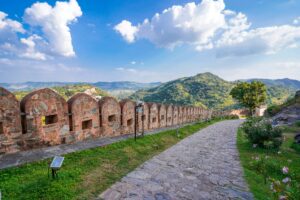
Kumbhalgarh Fort, built in 1458 AD by Rana Kumbha of Mewar, stands as one of Rajasthan’s most fascinating historical landmarks. Often called the “Great Wall of India”, its massive ramparts are wide enough for eight horses to march abreast, showcasing the grandeur of Rajput engineering. The fort is also celebrated as the birthplace of Maharana Pratap, Rajasthan’s legendary warrior king whose courage shaped the history of Mewar. Local folklore adds to its mystique, claiming that Kumbhalgarh was virtually unconquerable, falling only once when enemies poisoned its water supply. Unlike the more crowded Amber Fort in Jaipur, Kumbhalgarh offers an untouched, almost mysterious atmosphere, giving travelers the rare feeling of stepping back into medieval Rajasthan.
Why Visit Kumbhalgarh Fort?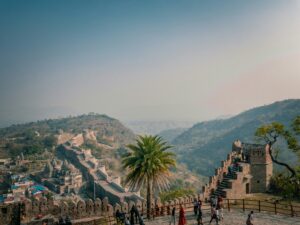
Often described as the Great Wall of India, Kumbhalgarh Fort invites travelers to walk along its massive stone ramparts, which stretch across the Aravalli hills for over 36 kilometers. Within its mighty walls lies a treasure of royal heritage, including the very rooms where the legendary Maharana Pratap was born. The fort is also home to an astonishing 360 temples, a mix of intricately carved Hindu and Jain shrines that reflect the spiritual diversity of Rajasthan. At its highest point stands the enchanting Badal Mahal, or Palace of Clouds, with pastel-colored interiors and sweeping views of the rugged landscape. Surrounding the fort, the Kumbhalgarh Wildlife Sanctuary offers adventurous treks through forests where leopards, wolves, sloth bears, and exotic birds still roam, making the visit a rare blend of history, architecture, and nature.
Architecture & Design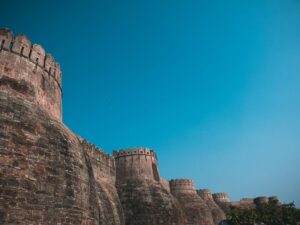
The architecture of Kumbhalgarh Fort is a masterpiece of Rajput defense engineering. Its defensive walls, some 15 feet thick, snake across the hills and stand as an unbroken shield around the citadel. The fort is protected by seven massive gateways, each strategically designed to delay and confuse enemy advances. Using the natural terrain to their advantage, the Rajputs incorporated steep cliffs, hidden passages, and watchtowers, making the fort almost impossible to penetrate. Inside, the complex is adorned with a remarkable collection of Hindu and Jain temples, each decorated with stone carvings unique to the Mewar dynasty, blending spirituality with military ingenuity. For travelers, every turn of the fort offers a mix of raw strength and artistic elegance.
Best Time to Visit Kumbhalgarh
The best time to visit Kumbhalgarh Fort is during the cooler months of October to March, when the weather is pleasant and ideal for sightseeing. The monsoon season from July to September paints the Aravalli hills in lush greenery, creating breathtaking backdrops for photography. However, the summer months from April to June can be extremely hot, making it less comfortable for walking around the massive fort walls. Travel Tip: Plan your visit in the late afternoon explore the fort at leisure, catch the magical sunset from Badal Mahal, and then stay for the famous light and sound show at 6:45 PM, which brings the history of the fort alive under the night sky.
Things to Do at Kumbhalgarh Fort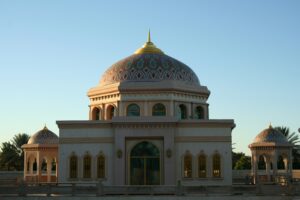
A trip to Kumbhalgarh Fort is more than just sightseeing it’s an experience that blends history, architecture, and adventure. Start by climbing the ramparts, where panoramic views of the rugged Aravalli hills stretch endlessly across the horizon. Inside the fort, don’t miss Badal Mahal (Palace of Clouds), with its colorful pastel interiors that once hosted the royals of Mewar. As evening falls, stay for the light and sound show, where the fort’s dramatic history is narrated with dazzling visuals against the night sky. For nature lovers, the Kumbhalgarh Wildlife Sanctuary offers treks and jeep safaris, giving you the chance to spot leopards, antelopes, wolves, and exotic birds. To round off your journey, take a short drive to the world-renowned Ranakpur Jain Temples, just 50 km away, where intricate marble carvings will leave you spellbound.
Travel Tips for Foreign Tourists
Top 10 Cafes in Jaipur for Foreign Travelers
Best Cafes in Jaipur for Foreign Travelers
Jaipur, famously known as the Pink City of India, is celebrated for its grand palaces, vibrant bazaars, and unforgettable cultural experiences. But beyond the forts and historic streets, Jaipur has another treasure waiting to be explored its café culture. For foreign travelers, the best cafés in Jaipur offer more than just coffee. They provide comfort, safety, international flavors, and the perfect chance to unwind in beautiful surroundings. Whether you’re a solo backpacker, a couple exploring Rajasthan, or a digital nomad in search of work-friendly spaces, the café scene here has something just for you. If you’re planning your Jaipur travel itinerary, here’s a handpicked guide to the best cafés in Jaipur for foreign travelers, where culture meets coffee and every corner offers Instagram-worthy charm.
Bar Palladio Jaipur: The Most Photographed Café in the Pink City
Located inside the Narain Niwas Palace Hotel, Bar Palladio Jaipur is one of the most iconic cafés in the city. With its striking cobalt blue and white interiors, it feels like stepping into a royal painting, making it the Instagrammable café in Jaipur. For international tourists, Bar Palladio is a luxurious yet safe escape after a long day of sightseeing. It is particularly loved by solo travelers and couples who want to enjoy a quiet, relaxed evening in an elegant setting. The menu offers Italian-inspired snacks, refreshing cocktails, and a romantic outdoor seating area that feels worlds away from Jaipur’s busy streets. Travelers highly recommend trying the fresh herb pasta with an evening Aperol Spritz. Conveniently located, it’s just a ten-minute drive from the Albert Hall Museum, which makes it a great addition to any Jaipur itinerary.
Nutmeg Café Jaipur: A Soulful Brunch Experience
Tucked away in C-Scheme, Nutmeg Café Jaipur is a cozy brunch destination that is best cafés in Jaipur for foreign travelers. Its warm interiors and calm atmosphere create the perfect retreat from the city’s hustle. International travelers particularly appreciate the hygienic food preparation, which is often a priority for first-time visitors to India. The staff are friendly, attentive, and fluent in English, making communication easy and stress-free. Nutmeg Café is best enjoyed in the morning when you can relax with fluffy pancakes drizzled in honey, sip on a cup of masala chai, or cool off with a fresh mango smoothie during the summer season. It’s the kind of café where you can slow down, recharge, and enjoy the comfort of a safe and peaceful dining experience.
Bellisimo Homes Jaipur: A Boutique Café and Homestay
For travelers seeking a mix of café comfort and homestay charm, Bellisimo Homes Jaipur is the perfect hidden gem. This boutique café doubles as a homestay, making it especially appealing to foreign tourists who plan to stay longer in the city. The ambience is warm and welcoming, with owners and staff who go out of their way to make guests feel at home. Digital nomads particularly love Bellisimo Homes for its laptop-friendly seating areas, where you can work while enjoying fresh meals. The food has a homely touch, offering the kind of comfort that makes you feel safe while traveling abroad. A favorite among visitors is their simple yet delicious veggie sandwich paired with fresh lemonade, making it the perfect light meal in between exploring Jaipur’s many attractions.
The Messy Door Jaipur: Where Art Meets Appetite
Colorful, quirky, and full of energy, The Messy Door Jaipur is one of the city’s most vibrant cafés. The walls are adorned with creative art, and the lively décor gives this café a fun, youthful vibe that resonates well with international travelers. For foreign tourists, it’s more than just a café it’s a cultural experience where you can meet fellow travelers and locals alike. The Messy Door is also popular for its variety of vegetarian and fusion dishes that appeal to global tastes. One of the must-try items on the menu is their tandoori momos, a unique Indian twist on a beloved Asian snack, followed by indulgent Nutella waffles for dessert. If you enjoy creative spaces and love photographing café interiors, The Messy Door is a must-visit during your Jaipur trip.
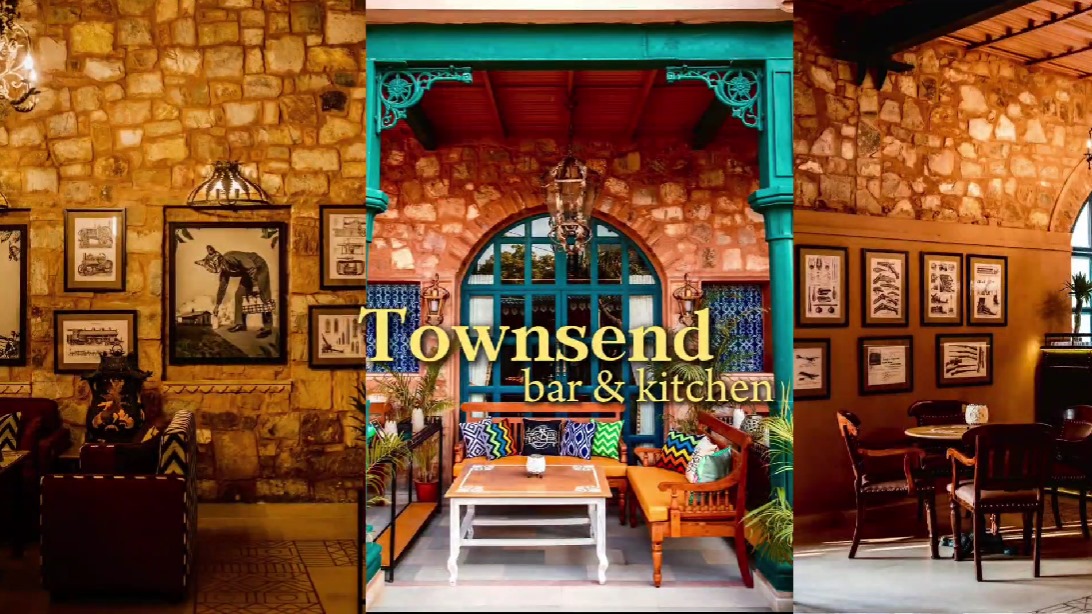
Townsend Bar Jaipur: Chic Evenings in the Pink City
When the sun sets and you’re in the mood for a stylish evening out, Townsend Bar Jaipur offers the perfect blend of class and comfort. It’s one of the best modern café-bar experiences & best cafés in Jaipur for foreign travelers who want a safe and chic nightlife option. Foreign travelers love its elegant ambience, flattering lighting, and curated menu that blends international cuisines with Indian spices. Whether you’re visiting with friends, as a couple, or even solo, Townsend Bar is a great place to unwind after a long day of exploring Jaipur’s palaces and forts. Popular choices here include the classic whiskey sour and their signature thin-crust pizzas, which pair beautifully with craft cocktails.
Swinton House Jaipur: Heritage Charm and High Tea
Set in a colonial-style heritage building, Swinton House Jaipur is a café that transports you to another era. It’s a calm and refined space, its one of the best cafés in Jaipur for travelers perfect for travelers who enjoy quiet corners to read, write, or simply soak in the ambience. For international visitors, Swinton House offers something special: a traditional high-tea experience in Jaipur, complete with English-inspired snacks and excellent service. The charm of its architecture adds to the experience, making it feel like a step back in time. A recommended pairing here is a classic Earl Grey tea served with cucumber sandwiches, making for an elegant and relaxing afternoon in the Pink City.
Seraibrews Café Jaipur: Coffee Done Right 
If you are particular about your coffee, Seraibrews Café Jaipur is a must-visit. Known for its Western-style coffee preparation, this café roasts its beans in-house and serves everything from strong espressos to refreshing cold brews. It has become a favorite among international travelers who miss the coffee culture of home while exploring India. The interiors are modern, cool, and air-conditioned, making it a much-needed retreat during Jaipur’s hot summers. Travelers often spend hours here, enjoying the calm atmosphere while working on laptops or reading. A top recommendation is their cold brew coffee, best enjoyed with a slice of creamy cheesecake. For foreign tourists who crave authentic coffee in Jaipur, Seraibrews is the place to go.
Atariya Café Jaipur: Rooftop Café with Sunset Views
Few experiences are as magical as watching the sun set over Jaipur’s skyline, and Atariya Café Jaipur offers exactly that. This rooftop café is a traveler’s dream, giving panoramic views of the Pink City along with a relaxed and friendly atmosphere. Foreign tourists love spending late afternoons here, sipping on drinks as the city lights come alive. The setting is safe, welcoming, and ideal for meeting new people. The vegetable lasagna paired with a fresh lime soda is a traveler favorite, perfect for dinner with a view. Located just 15 minutes away from the iconic Hawa Mahal, Atariya Café fits seamlessly into an evening sightseeing plan, making it one of the best rooftop cafés in Jaipur for foreign travelers.
La Strada Café Jaipur: European Flavors in Rajasthan
When cravings for European cuisine strike, La Strada Café Jaipur delivers an authentic Italian café experience right in the desert state. Known for its wood-fired pizzas and creamy pasta, La Strada has become a reliable choice for international tourists looking for familiar flavors during their India trip. The café maintains a clean, hygienic kitchen and offers consistent quality, which gives foreign travelers peace of mind while dining. With its warm, rustic interiors and comforting menu, it feels like a small slice of Europe in Jaipur. Visitors highly recommend trying the classic Margherita pizza along with their signature tiramisu for a sweet ending.
The Rajmahal Café Jaipur: Royal Dining in a Palace
For a once-in-a-lifetime café experience, nothing compares to The Rajmahal Café Jaipur, located inside the luxurious Rajmahal Palace. This café allows foreign travelers to experience the grandeur of Jaipur’s royal heritage firsthand. With marble floors, sparkling chandeliers, and regal interiors, the ambience feels nothing short of a royal affair. The staff are professional, English-speaking, and attentive, ensuring an exclusive and comfortable experience for international guests. The highlight here is the afternoon high tea, which includes a mix of Indian and global delicacies served with elegance. Dining at The Rajmahal Café isn’t just about food; it’s about stepping into Jaipur’s history and indulging in true royal hospitality.
Travel Tips for Foreign Travelers Visiting Cafés in Jaipur
The best time to explore Jaipur’s cafés is between October and March, when the weather is most pleasant. While most cafés in Jaipur accept cards, it is always wise to carry some cash for smaller bills. Some palace cafés may follow a smart-casual dress code, so it’s good to dress comfortably yet neatly. And above all, a polite “Namaste” with a smile is a simple gesture that goes a long way in building warm connections with café staff.
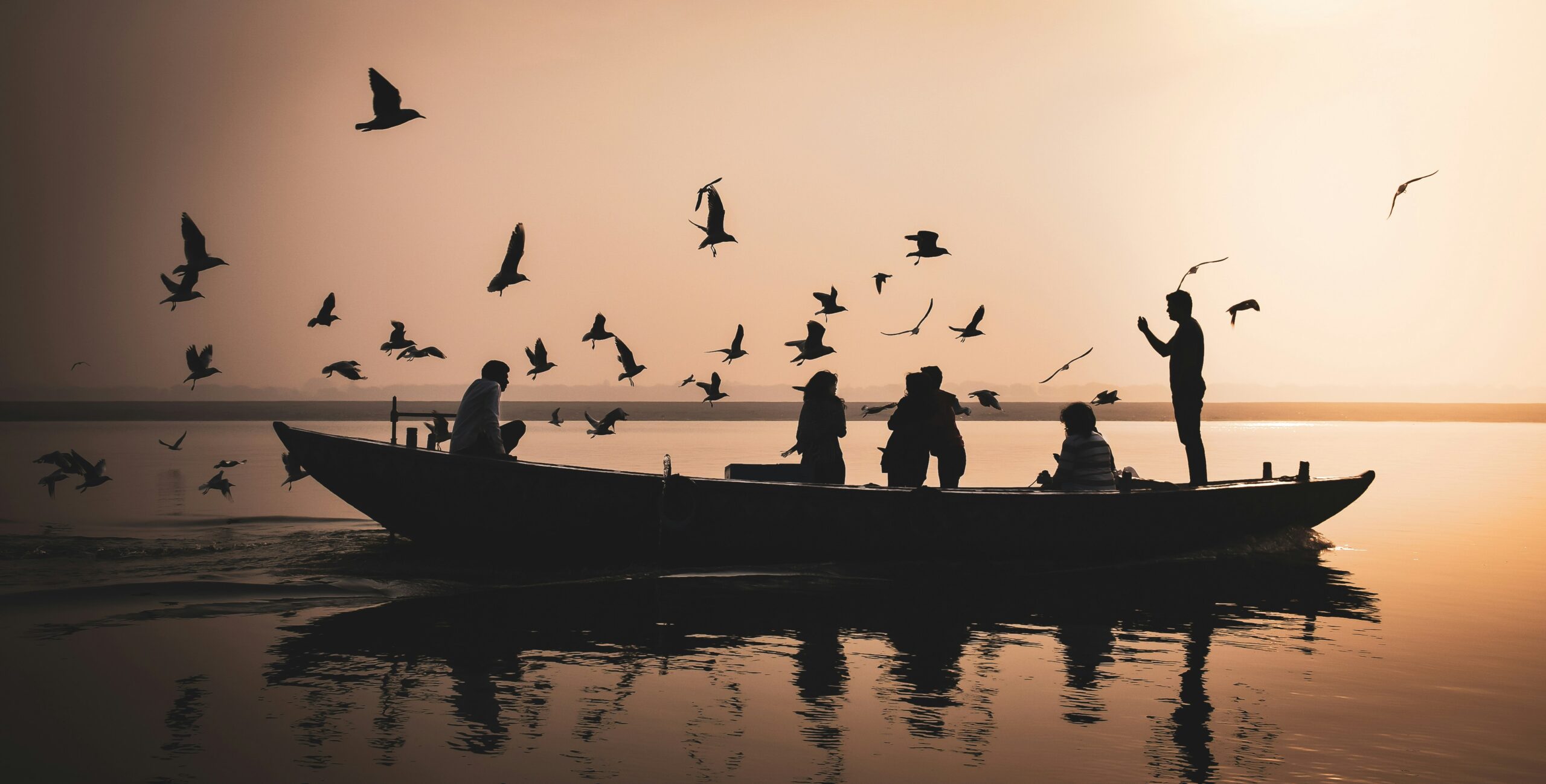
Divine Varanasi Sunrise Boat Ride – A Foreigner’s Complete Guide
Varanasi Sunrise Boat Ride : A Foreigner’s Complete Guide
A Morning You’ll Never Forget
If there is one moment in India that will stay with you for the rest of your life, it is drifting slowly on the Ganga as the sun rises over Varanasi. The city wakes up in whispers the sound of temple bells, the rhythmic splash of oars in the water, and the distant hum of sacred chants. The first light paints the river in shades of gold, and every ripple seems to carry centuries of prayers. As you glide past the ghats, you realise that this is not just sightseeing; it is a living, breathing encounter with one of the oldest cultures in the world.
Why Varanasi Sunrise Boat Ride Feels Different
Varanasi, also called Kashi or Benares, is believed to be more than 3,000 years old, and for Hindus, the hours before and just after sunrise hold immense spiritual significance. Pilgrims believe that bathing in the holy river at dawn can wash away a lifetime of sins. For visitors, it is a chance to witness life on the ghats in its most authentic form. The air is cooler, the light softer, and the city’s busiest streets still quiet. At this time of day, Varanasi offers a sense of calm that fades quickly as the sun climbs higher.
Choosing the Right Time of Year

Varanasi Sunrise Boat Ride can be enjoyed throughout the year, but the season can completely change the mood of the experience. In winter, from October to February, the mornings are crisp, the skies are clear, and mist sometimes hangs low over the water, giving the city an almost dreamlike quality. In summer, the mornings arrive earlier, and although the day’s heat can be intense, the early hours on the river remain pleasant. During the monsoon months from July to September, the Ganga swells and becomes more unpredictable, so it’s wise to check the weather and river conditions before planning your ride. The exact time of sunrise changes with the seasons in the winter, it may be closer to 6:30 am, while in summer, the first light can appear before 5:30 am.
Where to Begin Your Journey
For Varanasi Sunrise Boat Ride Many travellers start from Assi Ghat, known for its peaceful charm and the morning Subah-e-Banaras ceremony. Others prefer Dashashwamedh Ghat, the heart of Varanasi’s ritual life and one of the most vibrant places to witness the city waking up. Your starting point will shape your experience Assi Ghat offers a more meditative beginning, while Dashashwamedh gives you a burst of colour and activity from the very start. Hotels, guesthouses, and local guides can help you arrange the ride, but for those who like spontaneity, simply walking down to the ghats at dawn can lead to a boatman ready to take you across the waters.
The Journey Along the Ghats
As your boat moves slowly along the river, the city unfolds in scenes both intimate and grand. You pass by priests offering prayers to the rising sun, women filling brass pots with water from the Ganga, and children splashing in the shallows before heading to school. Temples old and new stand shoulder to shoulder, their steps leading directly into the water. You may drift past cremation ghats, where the eternal flames burn day and night, a reminder of the Hindu belief in the cycle of life and rebirth. Everything happens in the open, and yet there is a deep sense of privacy, as if the river shields these moments from the intrusion of time.
Choosing the Right Kind of Boat

The type of boat you choose will influence the pace and intimacy of your Varanasi Sunrise Boat Ride. Rowboats move slowly, giving you time to soak in the details the colours of the saris drying on the steps, the intricate carvings on riverside shrines, the gentle conversations between boatmen. Motorboats cover more distance and can take you further up or down the river in less time, but they sacrifice some of the quiet that makes dawn on the Ganga so special. For travellers seeking a more personal and reflective experience, the traditional rowboat remains unmatched.
Making the Most of the Experience
A little preparation goes a long way in making your Varanasi Sunrise Boat Ride truly unforgettable. Dress modestly and comfortably, keeping in mind that mornings on the river can be cool, especially in winter. Footwear should be easy to remove, as you may need to step into shallow water when boarding or disembarking. Always carry a light scarf or shawl it serves as both a shield from the morning chill and a respectful cover when passing temples or religious ceremonies. While photography is a natural part of the experience, be mindful when taking close-up shots of people; in Varanasi, spirituality often takes precedence over tourism.
What to Pair with Your Boat Ride
To truly embrace Varanasi & Varanasi Sunrise Boat Ride, consider combining your sunrise ride with other experiences in the city. After stepping off the boat, wander through the narrow lanes of the old city, where every turn hides a new temple, a hidden courtyard, or a tiny tea stall serving hot chai. Visit the bustling markets for silk scarves and handicrafts, or simply sit at a riverside café watching the city come alive. In the evening, return to the river for the Ganga Aarti, a grand ritual of fire, chants, and devotion that is the perfect counterpart to the morning’s stillness.

The 16 Shringars of an Indian Bride: Sacred Symbols of Beauty, Grace, and Divinity
16 Shringars of an Indian Bride : A Timeless Guide to Bridal Grace & Spiritual Beauty
The 16 Shringars of an Indian bride are not just bridal accessories; they are symbols of power, femininity, and divine tradition. Each Shringar holds spiritual, cultural, and emotional significance blending ancient rituals with modern bridal elegance. Here's a detailed breakdown of all sixteen sacred adornments every Indian bride wears on her wedding day.

1. Bindi: The Third Eye of Wisdom
Among the 16 Shringars of an Indian bride, the Bindi stands as the most iconic. Positioned between the eyebrows over the Ajna Chakra, it is believed to enhance spiritual vision and intuition. Traditionally made from red vermilion, the bindi protects against negative energies and symbolizes marital devotion. Today, it comes in shimmering stones, designer crystals, and vibrant patterns yet the essence remains sacred.
2. Sindoor : The Mark of Marriage
Sindoor, or vermilion, holds divine status in Hindu weddings. It’s the groom who applies it to the bride’s hair parting, marking her as married. One of the most emotionally charged among the 16 Shringars of an Indian bride, sindoor represents commitment, protection, and a lifelong bond. Rich in cultural reverence, it's worn daily by many married women even today.

3. Maang Tikka : The Crown Chakra Adornment
The Maang Tikka is a traditional forehead ornament that adds elegance to the bridal look. It hangs from the hairline onto the bride’s third eye symbolizing inner wisdom and divine femininity. This Shringar is often enhanced with pearls, kundan, or matha pattis, offering both beauty and balance. In the 16 Shringars of Indian bride, the maang tikka truly represents the sacred meeting of mind, soul, and ceremony.
4. Kajal : The Dark Lining of Protection
Kajal, made from natural soot or charcoal, defines the bride’s eyes and enhances their depth. But its purpose goes beyond beauty it is believed to ward off the evil eye and strengthen inner clarity. It is an age-old component in the 16 Shringars of an Indian bride, deeply rooted in Ayurvedic traditions and protective symbolism.
5. Nath : The Nose Ring of Womanhood
The Nath is a defining element of the bridal face, often worn on the left nostril and sometimes connected to the ear with a delicate chain. It signifies purity, fertility, and feminine power. Each region of India adds its flavor Punjabi brides wear the ‘laung’, Maharashtrian brides prefer the crescent-shaped ‘nathni’. It’s a vital Shringar in the traditional 16 Shringars of Indian bride.
6. Earrings : The Ornaments of Energy Flow
Large, ornate earrings not only enhance a bride’s appearance but also stimulate vital acupressure points believed to aid in well-being and balance. They symbolize feminine grace and wealth. From jhumkas to chandbalis, these ear adornments form an essential part of the 16 Shringars of an Indian bride, enriching both tradition and visual splendor.
7. Haar : The Necklace of Prosperity
The Haar be it a choker, rani haar, or mangalsutra is draped around the neck, lying near the heart chakra. It’s not just jewelry; it’s a blessing for a prosperous and loving married life. Among the 16 Shringars of an Indian bride, the haar holds spiritual relevance, reflecting the bride’s wealth, family status, and emotional bonds.
8. Mehndi : The Sacred Ink of Love
Applied in elaborate patterns on hands and feet, Mehndi or henna has both decorative and cooling properties. It signifies prosperity, love, and fertility. Brides often believe that the darker the mehndi, the deeper the love between her and her partner. This beautiful art is a celebrated Shringar in the 16 Shringars of Indian bride bridging beauty and emotion.
9. Bajuband : The Armlet of Power
Worn on the upper arms, the Bajuband or armlet is both ornamental and symbolic of strength. Historically worn by queens and warriors, it represents courage, status, and protection. In the 16 Shringars of Indian bride, the bajuband reminds us that beauty and power go hand in hand in bridal tradition.
10. Choodiyan : The Bangles of Harmony
Bangles, or choodiyan, are rich in cultural meaning. Their gentle clinking is considered auspicious, attracting positive energy and symbolizing a harmonious married life. Made from glass, gold, ivory, or lac, bangles are a key identity marker for married women. Their presence in the 16 Shringars of an Indian bride is a vibrant celebration of femininity and rhythm.
11. Aarsi : The Mirror Ring of Mystery
The Aarsi is a rare yet poetic addition among the 16 Shringars of an Indian bride. It's a ring embedded with a small mirror, traditionally worn so the bride could see her groom discreetly during veiled ceremonies. Today, it’s seen as a beautiful symbol of self-reflection and inner awareness, often worn during heritage-themed weddings.
12. Kamarband : The Girdle of Grace
A Kamarband or waist chain gracefully cinches the waist, supporting the saree or lehenga and emphasizing the bride’s figure. It represents sensuality, grace, and the sacredness of motherhood. This ornament, often crafted with pearls, gold, or stones, is a glamorous yet spiritual element in the 16 Shringars of Indian bride.
13. Payal : The Music of the Bride’s Steps
Payal, or anklets, are worn on both ankles and usually designed with tiny bells that produce a melodic sound. They are said to purify the space a bride walks through and announce her divine presence. Among the 16 Shringars of an Indian bride, the payal turns every step into a rhythmic blessing.
14. Bichua : The Sacred Toe Ring
Bichua, or toe rings, are worn on the second toe and hold deep Ayurvedic significance. They stimulate nerves that promote fertility and reproductive health. Typically crafted from silver, bichuas are a timeless Shringar in the 16 Shringars of an Indian bride uniting science and tradition in one sacred step.
15. Itar : The Fragrance of Purity
Itar, or natural perfume, is the unseen Shringar of an indian bride yet one of the most powerful. Made from flowers like rose, jasmine, or sandalwood, it enhances the bride’s aura, purifies her space, and invokes serenity. In the list of 16 Shringars of an Indian bride, itar is the scent of celebration, purity, and elegance.
16. Bridal Attire : The Final and last of 16 Shringars of an Indian bride

The bride’s outfit whether a traditional red saree or a heavily embroidered lehenga is the finishing touch. It reflects her regional roots and carries spiritual significance. Red denotes love and fertility, gold speaks of prosperity, and maroon symbolizes wisdom. As the final element of the 16 Shringars of an Indian bride, the attire wraps her in divine energy and ancestral blessings.
City Palace Jaipur : Where Royalty Still Whispers Through Walls
Where Royalty Still Whispers Through Walls
Imagine walking through towering gateways where Maharajas once rode on elephants, past walls that echo tales of royal processions, power, and beauty. That’s City Palace Jaipur for you – not just a destination, but a living testament to Rajasthan’s regal heritage. Whether you’re a history lover, an architecture enthusiast, or an Instagram traveler searching for the next jaw-dropping shot, this iconic palace will leave you breathless.
A Timeless Marvel: The History of City Palace Jaipur
The history of City Palace Jaipur dates back to 1727, when Maharaja Sawai Jai Singh II, the founder of Jaipur, envisioned a city as grand as his legacy. Nestled in the heart of the Pink City, this palace was more than a residence—it was the administrative and ceremonial hub of the kingdom.
Built with a masterful blend of Rajput, Mughal, and European architectural styles, the palace reflects a ruler who was as much a warrior as a visionary. The complex continued to evolve under subsequent rulers, making each section a layered chapter of Jaipur’s royal past.
Did You Know? Maharaja Man Singh II, fondly known as the Polo King, was one of the last royals to reside in the Chandra Mahal. He won several international polo tournaments and brought global recognition to the sport in India.
.jpg)
Things to See in City Palace Jaipur – Royal Highlights Not to Miss
City Palace is a sprawling complex, but here are the absolute things to see in City Palace Jaipur that you shouldn't miss:
🕌 Mubarak Mahal (Welcome Palace)
This 19th-century structure greets you at the entrance. Once used to receive foreign dignitaries, today it houses the textile museum, showcasing royal garments, including a 12 kg robe worn by Maharaja Madho Singh I!
Chandra Mahal – The Royal Residence
Still partially inhabited by the descendants of Jaipur’s royal family, this seven-storied palace is the jewel of the complex. The second and third floors, accessible via guided tour, display luxurious royal artifacts, mirrored ceilings, and painted frescoes.
Insider Tip: Book the Royal Grandeur Tour to access private areas with a palace guide.
Peacock Gate – The Instagram Darling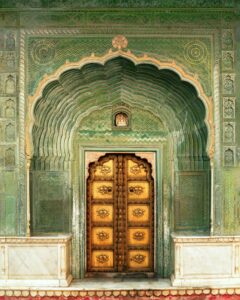
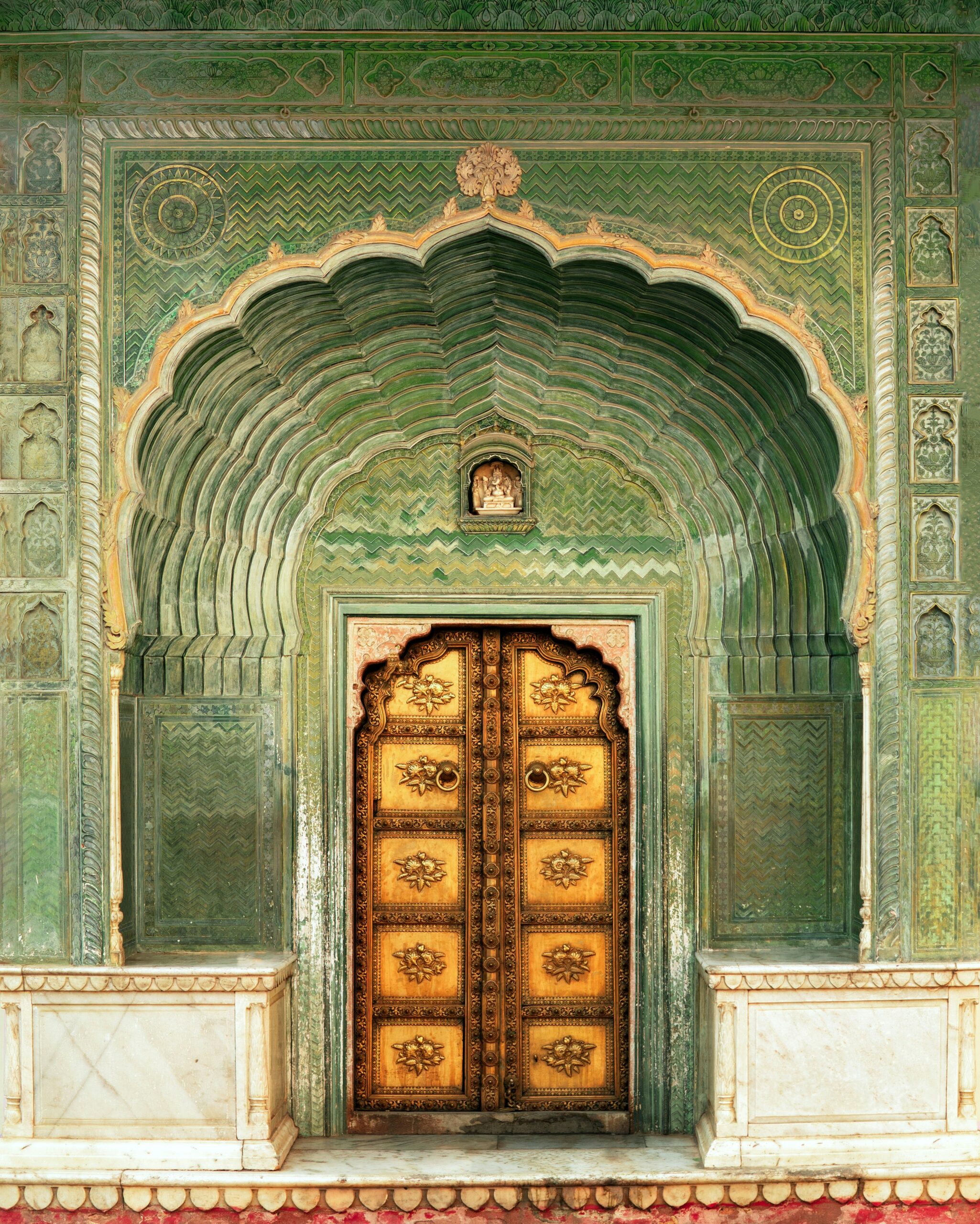
Located inside Pritam Niwas Chowk, the Peacock Gate represents autumn and is adorned with rich blue-green motifs and peacock imagery. This is arguably one of the most Instagrammable spots in Jaipur.

Diwan-i-Khas – The Hall of Private Audience
This elegant hall, with its marble floors and crystal chandeliers, once hosted private court sessions and royal ceremonies. Its claim to fame? The world’s largest silver urns (Gangajalis), made to carry Ganges water during Maharaja Madho Singh II’s trip to England.
Fun Fact: These urns are recorded in the Guinness Book of World Records!
Photography Tips & Instagram Spots at City Palace Jaipur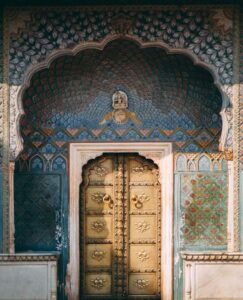
For the perfect Instagram shot:
Early morning offers the best light and fewer crowds.
Use the vibrant Peacock Gate, Chandra Mahal façade, and royal doorways as dreamy backdrops.
Dress in bright ethnic wear : it pops beautifully against the palace’s pastel walls.
Best Time to Visit City Palace Jaipur
The best time to visit City Palace Jaipur is during October to March, when the weather is cool and perfect for exploration. Mornings are ideal to avoid crowds and heat.
Bonus: Visit during festivals like Teej or Gangaur for vibrant royal processions!
Why This Experience is Unforgettable
Visiting the Jaipur royal palace is like walking through the diary of a kingdom. From marble halls echoing with royal footsteps to courtyards where artists and warriors once gathered, this place stirs emotions beyond words.
You’re not just exploring architecture you’re connecting with history, legacy, and artistry that shaped Jaipur’s soul.
FAQs About Visiting City Palace Jaipur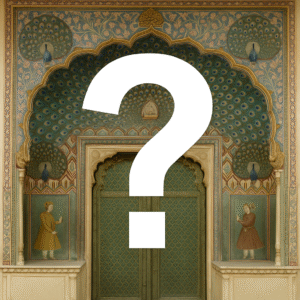
Is City Palace Jaipur worth visiting?
Absolutely! It’s one of the top historical attractions in Jaipur, offering rich architecture, cultural insights, and royal stories.
How long should I spend at City Palace?
At least 2–3 hours to explore the main areas, and longer if you opt for the Royal Grandeur Tour.
Are cameras allowed inside City Palace Jaipur?
Yes, but DSLR photography may require an additional fee.
Explore More of Jaipur with Us
City Palace is just the beginning! Combine it with other heritage jewels like Hawa Mahal, Jantar Mantar, and Amber Fort for a complete royal experience.
[Book our Jaipur City Tour Package]. Let us handle everything while you explore like royalty.
Ready to Walk with the Royals? Let’s Plan Your Jaipur Trip!
Whether you're a first-time visitor or a culture aficionado, our local experts craft personalized Jaipur tours just for you. Skip the tourist traps, get real stories, and see Jaipur like a royal guest.
Contact us now for custom packages, group tours, and guided experiences. Your royal Rajasthan journey awaits.
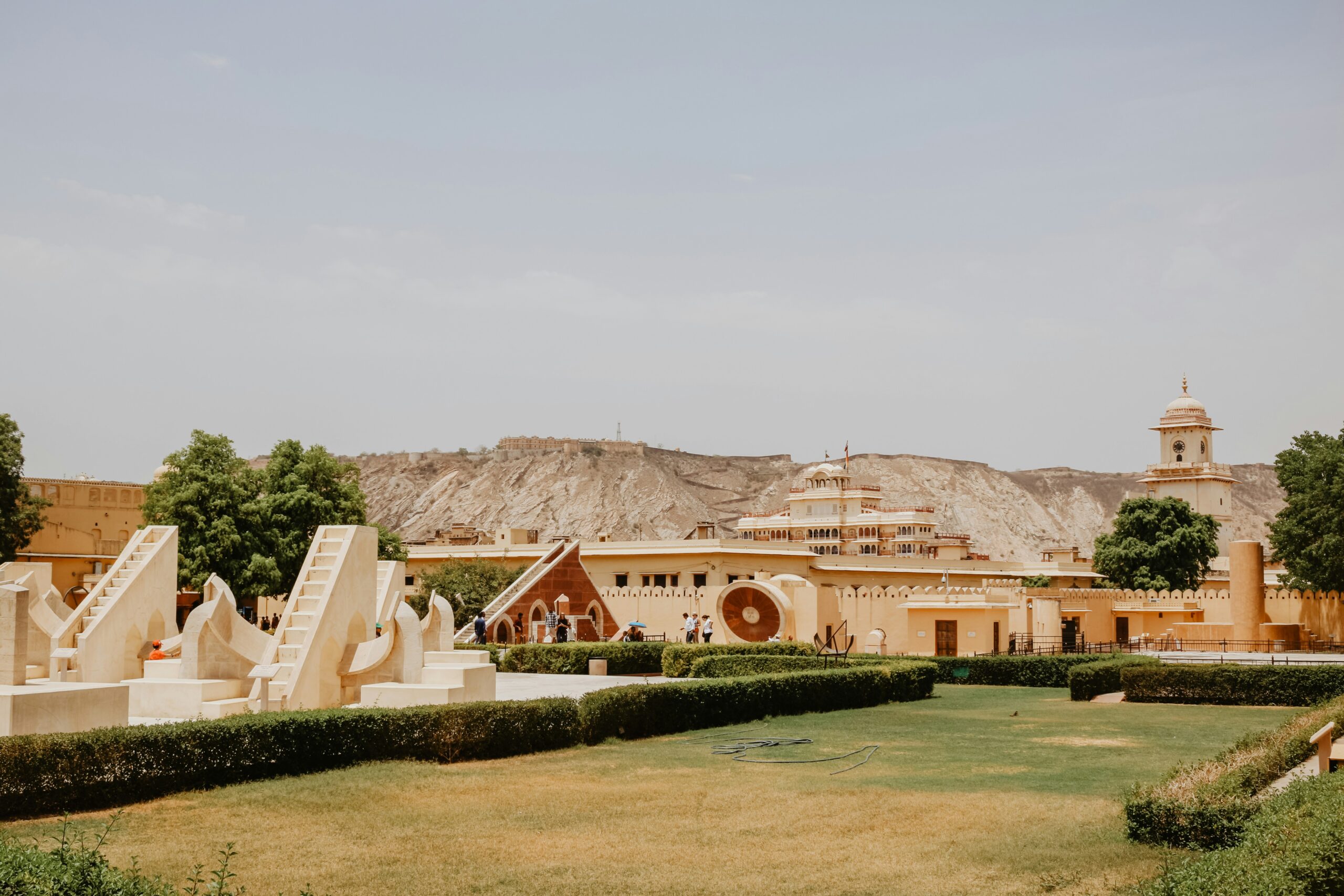
How to Visit Jantar Mantar Jaipur – Timings, Tips & Tours
Jantar Mantar Jaipur: Where Stone Meets the Stars
In the heart of Jaipur’s bustling old city, just beside the City Palace, stands a place that looks like a playground of massive stone sculptures. But don’t be fooled by appearances this is the Jantar Mantar, one of the most advanced and beautiful astronomical observatories ever built. It’s a UNESCO World Heritage Site and a silent tribute to India’s scientific and cultural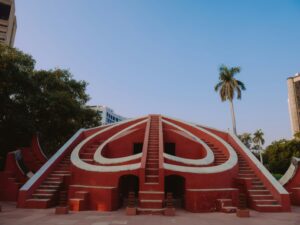 brilliance.
Built in the 18th century, Jantar Mantar is not just a collection of instruments it’s an experience. Each structure was designed to read the skies, track stars, measure time, and even predict eclipses, centuries before modern tools existed. If you’re planning a visit to Jaipur, this is not just another stop; it’s where math, astronomy, and architecture come together to create pure magic.
A Vision Beyond His Time: Jai Singh II
Jantar Mantar was the brainchild of Maharaja Sawai Jai Singh II, the founder of Jaipur and a man with a passion for science. At a time when rulers were more focused on conquests and
palaces, Jai Singh was studying astronomy in Arabic, Persian, Sanskrit, and Greek
texts. He believed that the small brass instruments of the time were too inaccurate and that larger, stone-based tools would offer more precision.
Between 1724 and 1734, he built five observatories across India—in Delhi, Ujjain, Mathura, Varanasi, and Jaipur. The one in Jaipur is the largest and most complete of them all. With 19 massive instruments, each crafted for a specific astronomical purpose, it remains a marvel of scientific engineering even today.
Instruments That Still Measure the Cosmos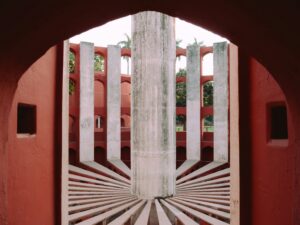
Walking into Jantar Mantar feels like stepping inside a grand, open-air laboratory. The instruments are not just symbolic they still work, and some are precise enough to amaze even today’s astronomers.
The Samrat Yantra, the world’s largest sundial, towers at 27 meters. It’s shaped like a huge triangle, casting a sharp shadow that moves at a rate of 1 millimeter per second. It can tell the local time to an accuracy of about two seconds. Watching the shadow shift in real-time is strangely hypnotic.
Then there’s the Jai Prakash Yantra, two large sunken bowls with marble markings and crosswires. These were designed to project the sky onto the earth’s surface, allowing the observer to calculate the exact position of celestial bodies. The sheer design of this instrument—one concave, one convex—is a blend of logic and art.
The Rama Yantra is another gem—two large cylindrical structures open to the sky. Step inside, and you can literally track the altitude and direction of stars. Other instruments like the Narivalaya, Chakra Yantra, and Digamsa calculate everything from solar declination to equinox timings.
What makes these instruments exceptional isn’t just their accuracy—it’s that they are entirely analog, powered only by sunlight, shadow, angles, and the brilliance of geometry.
Where Science Becomes Art
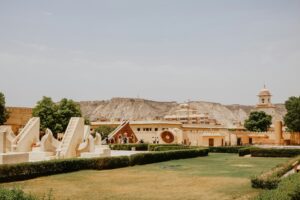
Jantar Mantar isn’t a dry scientific site it’s deeply aesthetic. Each instrument is made of stone and marble, shaped with beautiful curves and sharp angles. The entire complex is aligned with astronomical north, designed according to ancient principles of Vedic and Islamic astronomy, and built with mathematical precision.
The symmetry and elegance of these instruments draw photographers, architecture lovers, and historians from across the world. The site looks stunning against Jaipur’s blue sky, especially in the golden morning and evening light.
For centuries, astronomy in India was closely tied to astrology. Jantar Mantar was also used to calculate auspicious dates for festivals, farming, ceremonies, and even royal battles. It wasn't just about science it was about how science met everyday life.
The Legacy of Jai Singh Lives On
Maharaja Jai Singh didn’t stop at building monuments. He created astronomical tables more accurate than most European ones at the time and corresponded with scholars from France, Persia, and Portugal. His work reflects a time when India wasn’t just participating in science it was leading.
Although modern telescopes and digital tools have long replaced these instruments for formal astronomy, Jantar Mantar remains relevant. It's used for education, demonstrations, and inspiring the next generation of thinkers. More importantly, it reminds us that progress can be carved in stone literally.
Your Visit to Jantar Mantar: Practical Info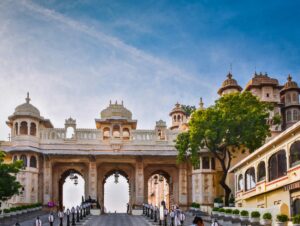
A visit to Jantar Mantar is more than a sightseeing stop it’s a walk through time, science, and imagination. It’s located in central Jaipur, within easy reach of other iconic landmarks like City Palace and Hawa Mahal. Many travelers combine these three into a single half-day tour.
You’ll find certified guides and audio tours available, offering deep insights into how each instrument works. Most guides explain the site in a simple and engaging way even if you don’t know much about astronomy, you’ll still find yourself amazed.
Jantar Mantar is open daily from 9:00 AM to 4:30 PM. Ticket prices are modest:
If you prefer a smooth experience, many Jaipur city tours include Jantar Mantar in our package, often along with private drivers, guides, and visits to other top spots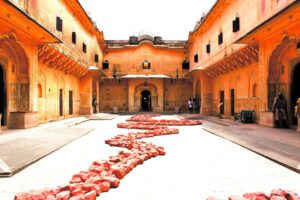 .
.
Why This Place Should Be on Your List
Of all the wonders in Rajasthan, Jantar Mantar Jaipur stands apart. It’s not a fort, palace, or temple it’s a bridge between heaven and earth. It proves that India’s heritage is not just about kings and battles, but also about ideas, innovation, and discovery.
Whether you're a history lover, photographer, student, or simply curious traveler, Jantar Mantar offers a deep, thoughtful experience. You won't just see shadows move you'll see the ambition of a king, the brilliance of a civilization, and the eternal dance of the cosmos carved in stone.
Want to Add Jantar Mantar to Your Jaipur Tour?
We specialize in custom city tours with private cars and expert guides, covering Jantar Mantar and other gems of Jaipur. Reach out to plan a stress-free, immersive Jaipur experience with us.
Call us at: +91 9818975829
Explore our tours: india-custom-tours.com
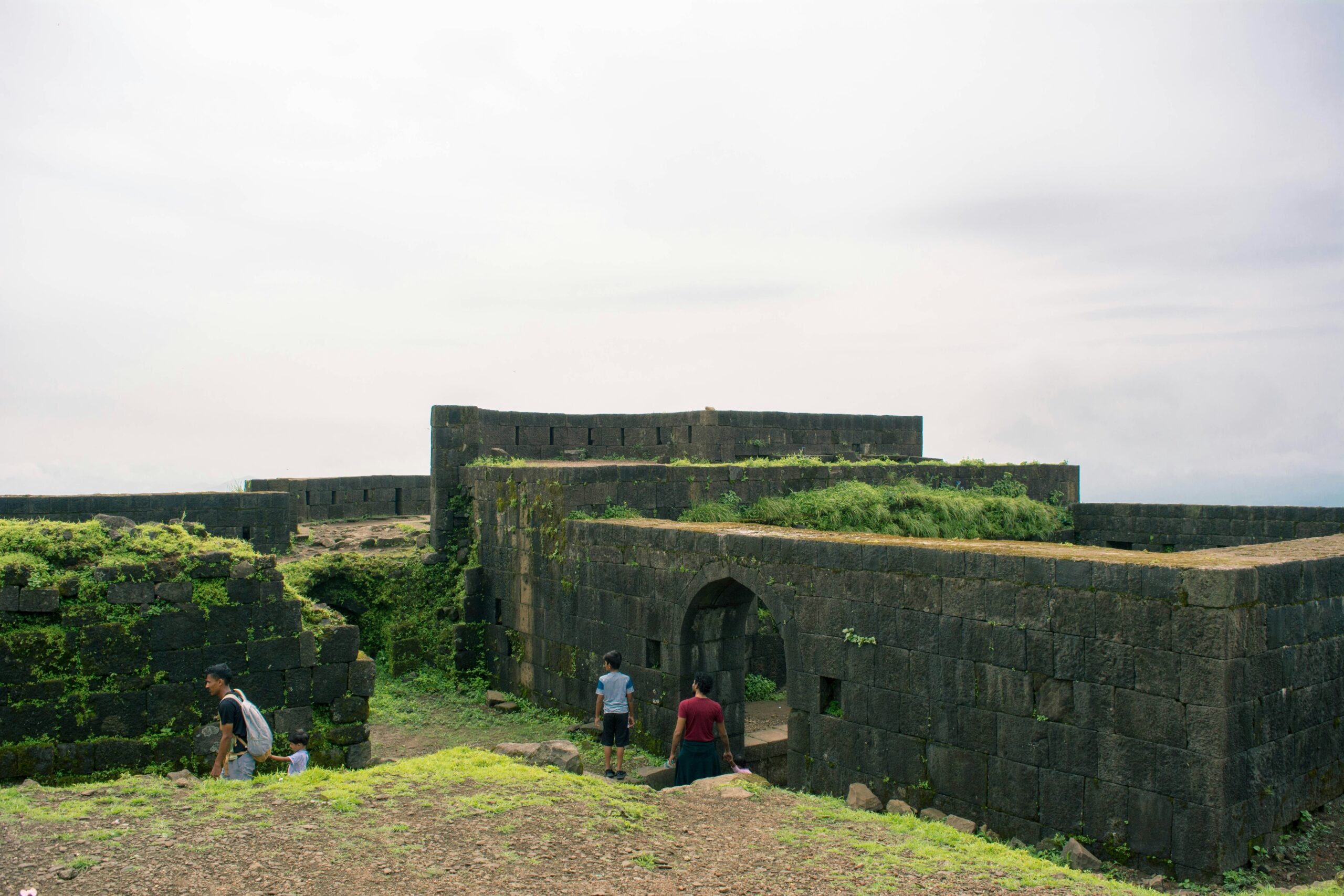
Jaigarh Fort – majestic Jaipur’s Iron Shield of the Rajputs
Jaigarh Fort Jaipur : Rajasthan’s Most Powerful Fortress
Introduction to Jaigarh Fort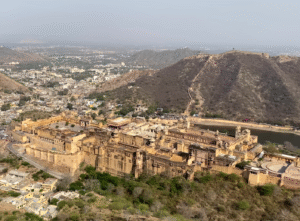
High above the majestic Amber Fort and the serene Maota Lake stands Jaigarh Fort, one of Rajasthan’s most powerful and strategically important forts. Known as the “Fort of Victory,” this hilltop stronghold wasn’t designed for grandeur but for dominance, defense, and dignity. Built in 1726 by Maharaja Sawai Jai Singh II, the visionary founder of Jaipur, Jaigarh Fort served as the military base for the Amber kingdom. It stands tall on Cheel ka Teela (Hill of Eagles) in the Aravalli hills, offering commanding views of the surrounding landscape. The fort’s red sandstone walls stretch across 6 kilometers, enclosing royal treasures, war equipment, and secure routes—built to withstand any siege or invasion.
The Jaivana Cannon – World’s Largest on Wheels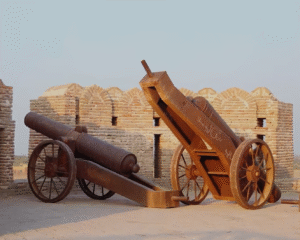
Among Jaigarh Fort most famous features is the Jaivana Cannon—once the largest cannon on wheels in the world. This colossal weapon, cast in 1720 within the fort’s own foundry, was a symbol of military prowess and innovation. Although never used in war, it was test-fired once, reportedly launching a cannonball over 35 kilometers. The blast was so powerful that nearby villagers were said to have fainted from the sound. The cannon now rests silently within the fort, offering visitors a chance to marvel at the genius of Rajput engineers who built not just weapons but deterrents of incredible scale.
Inside the Walls – What to See at Jaigarh Fort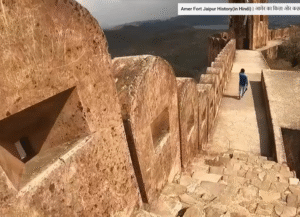
Step inside Jaigarh Fort and you’ll discover a rugged, intelligent structure that contrasts beautifully with the ornamental Amber Fort below. The fort is packed with historical innovations and military brilliance. An armory museum displays ancient weapons like swords, shields, muskets, and explosives. The water harvesting system, complete with massive underground tanks, showcases advanced planning for prolonged battles. Royal quarters, including gardens and audience halls, offer a glimpse into the lifestyle of the commanders and generals who once operated from here. Secret underground passages and hidden tunnels add layers of intrigue, and one of them connects Jaigarh directly to Amber Fort—used for quick movement of troops or royalty during emergencies. The watchtowers offer panoramic views of the Aravalli hills and Jaipur city, making it a favorite spot for travelers and photographers alike.
The Legend of Hidden Treasure
Jaigarh Fort isn’t just about war; it’s also about myths. For years, people have believed that vast royal treasures are buried deep within its chambers—possibly war spoils or emergency funds from the Mughal era. In the 1970s, the Indian government even conducted a search based on these rumors. While no treasure was officially found, the story has persisted, adding an air of mystery to the already fascinating structure. Even today, local whispers speak of hidden rooms and undiscovered tunnels where untold riches may still lie.
Location, Timings, and How to Reach
Getting to Jaigarh Fort is simple. It is located around 15 kilometers from Jaipur’s city center and sits directly above Amber Fort. Visitors can hike up from Amber or take a vehicle via the winding road. The fort is open from 9:00 AM to 4:30 PM. The best time to visit is between October and March when the weather is pleasant, and the views from the hilltop are at their clearest.
Why Jaigarh Fort Should Be on Your Itinerary
Unlike many tourist-packed destinations, Jaigarh Fort offers peace, open spaces, and a raw sense of history. It gives you a glimpse into a time when architecture was as much about intelligence as it was about beauty. From its giant cannon and royal chambers to its hidden escape routes and untouched silence, Jaigarh tells the story of a kingdom that chose preparation over pretense. For anyone interested in Rajasthan’s military past, Rajput valor, or simply breathtaking views, Jaigarh Fort is an essential stop. Visit not just to see walls and weapons, but to feel the quiet strength of a hill that once guarded an empire.
❓ Frequently Asked Questions (FAQs)
Q1. What is Jaigarh Fort famous for?
Jaigarh Fort is famous for the Jaivana Cannon, hidden tunnels, military architecture, and its connection to Amber Fort.
Q2. How is Jaigarh Fort different from Amber Fort?
While Amber Fort was a royal residence known for beauty and palaces, Jaigarh was a military base designed for defense and security.
Q3. Is there a tunnel between Amber and Jaigarh Fort?
Yes, there is a secret tunnel connecting the two forts, used during emergencies for safe passage of troops and royals.
Q4. Can we visit Jaivana Cannon?
Yes, the Jaivana Cannon is open to the public and is a top highlight of the fort.
Q5. How much time is needed to explore Jaigarh Fort?
You should plan around 2 to 3 hours to explore the full fort, including the museum, cannon site, and viewing points.
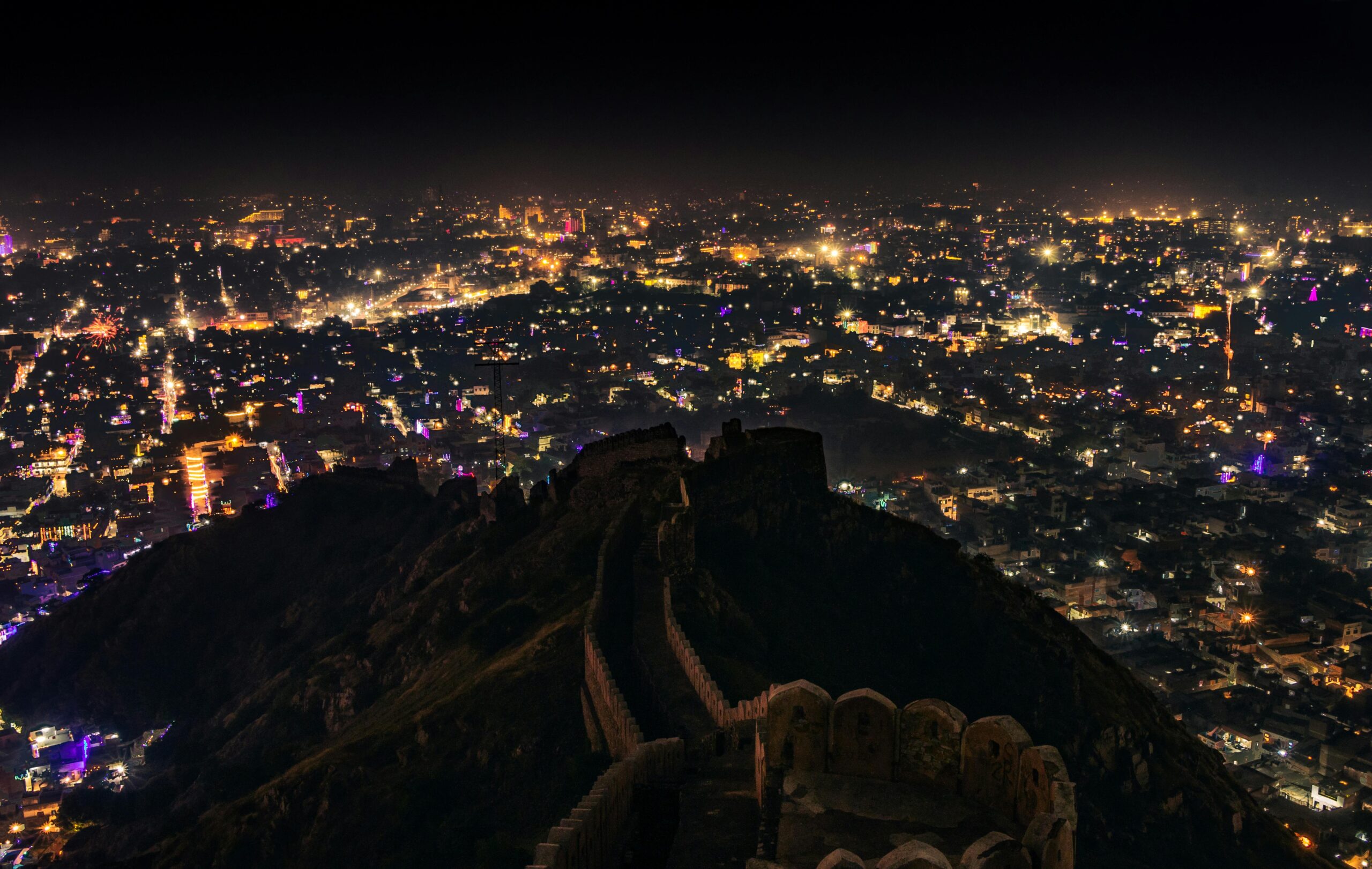
Nahargarh Fort Jaipur: Where Legends Whisper and Sunsets Speak
Nahargarh Fort – Jaipur’s Soulful Watchtower Over the Aravallis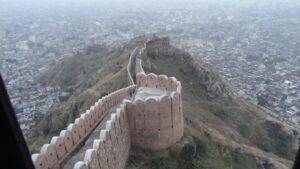
On the rugged Aravalli hills, Nahargarh Fort isn’t just a historic monument it’s Jaipur’s quietest storyteller. While the City Palace dazzles with grandeur and Amber Fort commands attention with its might, Nahargarh watches silently from above, offering solace, stories, and sweeping city views. Here, wind whistles through ancient walls, carrying secrets of kings, queens, and ghosts alike. This fort isn’t loud. It doesn’t try to impress. It simply invites you to breathe, to listen, and to look far into the pink-hued horizon especially when the sun sets behind the hills.
History of Nahargarh Fort : Built for Battle, Used for Peace
Built in 1734 by Maharaja Sawai Jai Singh II, the founder of Jaipur, Nahargarh Fort was initially named Sudarshangarh and constructed as a defense fortification to protect the new city. Despite its strategic positioning, the fort never saw a major battle. Instead, its role evolved into a peaceful retreat and refuge. During the 1857 Sepoy Mutiny, when unrest gripped North India, the fort sheltered the British Resident and European families, showcasing its quiet relevance in turbulent times.
The Haunted Tale of Nahar Singh : A Ghost Who Wanted Credit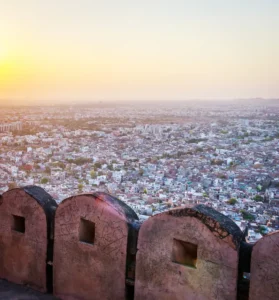
Among the haunted forts of Rajasthan, Nahargarh holds a unique place, not for fear but for folklore. Legend has it that the construction of the fort was continually disrupted by the ghost of a local prince named Nahar Singh Bhomia. Workers complained of eerie voices, broken tools, and strange happenings. It is said that the ghost agreed to stop haunting the area only if the fort was named after him. Thus, Sudarshangarh became Nahargarh, meaning "Abode of Nahar." Even today, a small temple dedicated to Nahar Singh exists inside the fort, a nod to the past and a whisper of mystery.
Madhavendra Bhawan : The Palace of Hidden Romance
In the 19th century, Sawai Madho Singh, a descendant of Jai Singh II, commissioned Madhavendra Bhawan within the fort a stunning addition that would turn this military fort into a luxurious royal retreat. The palace houses 12 identical suites, built for the queens, each with its own living space, bathroom, kitchen, and bedroom. What makes it fascinating is the interconnected design narrow passageways allowed the king to visit any queen’s chamber without drawing attention. With its pastel-painted walls, Rajasthani frescoes, and elegant courtyards, Madhavendra Bhawan is one of the finest examples of Rajput leisure architecture in Jaipur.
Nahargarh Sunset : The Best View in Jaipur
Nahargarh is famous not just for its architecture or legendsbut for its sunset. As the sun dips behind the Aravallis, the city of Jaipur slowly lights up below. From the fort's ramparts and rooftop, you get a 360 degree view of the Pink City City Palace, Jal Mahal, Jaigarh Fort, and even the city walls.
The golden hour at Nahargarh is pure magic for:
- Photographers chasing the perfect frame
- Couples seeking quiet romance
- Travelers finding perspective and peace
It’s no surprise that many consider this the best sunset view in Jaipur.
Nahargarh in Bollywood and Pop Culture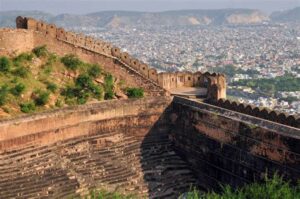
Nahargarh has also found its place on the silver screen. Most notably, it appeared in the film "Rang De Basanti", where scenes of camaraderie and rebellion unfolded on its historic walls. Its rustic charm, panoramic views, and sense of calm have made it a favorite for:
- Instagram reels
- Travel documentaries
- Pre-wedding shoots
Visiting Today : Rooftop Dining, Museum, and More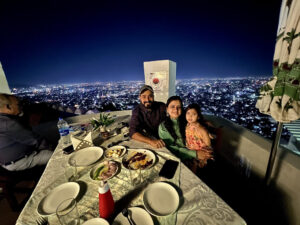
Today, Nahargarh Fort offers more than just a walk through history. It’s a complete experience, blending culture, nature, and cuisine.
Padao Restaurant : Rooftop Dining with a View
Located on the western edge of the fort, Padao offers open-air dining with jaw-dropping views. A meal here especially at sunset is a must-have Jaipur experience.
Museum & Galleries
There’s a small museum section inside the palace showcasing royal portraits, furniture, weapons, and artifacts that paint a vivid picture of life in the 18th and 19th centuries.
Best Time to Visit
- Season: October to March (pleasant weather)
- Time: Late afternoon to sunset for best lighting and views
Why Nahargarh Fort Should Be on Your Jaipur Itinerary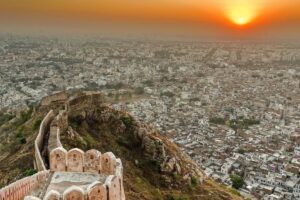
Unlike some over-crowded tourist sites, Nahargarh Fort offers a sense of solitude. It’s perfect for:
- Travelers who like authentic history
- Explorers chasing offbeat royal retreats
- Creatives seeking inspiration and silence
- Those who enjoy romantic views without the rush
Whether you're a solo traveler, a history buff, a honeymooner, or a curious soul Nahargarh Fort will speak to you in silence.
FAQs : Nahargarh Fort, Jaipur
- Q: What are the opening hours of Nahargarh Fort?
A: 10:00 AM to 5:30 PM, open all days of the week.
- Q: Is there an entry fee for Nahargarh Fort?
A: Yes, it’s approximately ₹50 for Indians and ₹200 for foreign tourists. Additional charges may apply for Madhavendra Bhawan or camera use.
- Q: How far is Nahargarh Fort from Jaipur city center?
A: Around 6 km from the city center, easily accessible by car or cab.
- Q: Is Nahargarh Fort suitable for elderly visitors?
A: The fort involves some walking and stairs, but overall it's manageable. Comfortable shoes are recommended.
- Q: Can I visit Nahargarh Fort for sunset only?
A: Yes! In fact, sunset is one of the best times to experience the fort.