



How to Choose the Perfect Travel Package
How to Choose the Perfect Travel Package to India:
Your Complete 2026 Guide
Planning a trip to India can feel overwhelming. With 28 states, countless cities, and endless experiences ranging from the Himalayas to tropical beaches, knowing where to start is half the battle. Choosing the right travel package to India makes all the difference between a stressful vacation and the journey of a lifetime.
In this comprehensive guide, I'll walk you through everything you need to know to select a travel package that matches your dreams, budget, and travel style.
Why and How to choose the perfect Travel package to India?
India is not like other destinations. The sheer diversity of languages, cuisines, customs, and landscapes can be challenging for first-time visitors. A well-designed travel package eliminates the guesswork and handles the logistics that often trip up independent travelers.
Here's what a quality travel package provides:
- Pre-arranged transportation between cities and attractions
- Vetted accommodations that match your comfort level
- Expert local guides who bring history and culture to life
- Skip-the-line access to popular monuments
- 24/7 support if anything goes wrong
At India Custom Tours, we've seen countless travelers transform their India experience simply by having the right support system in place.
Step 1: Define Your Travel Goals and Interests
Before comparing packages, get crystal clear on what you want from your India adventure.
Ask yourself these questions:
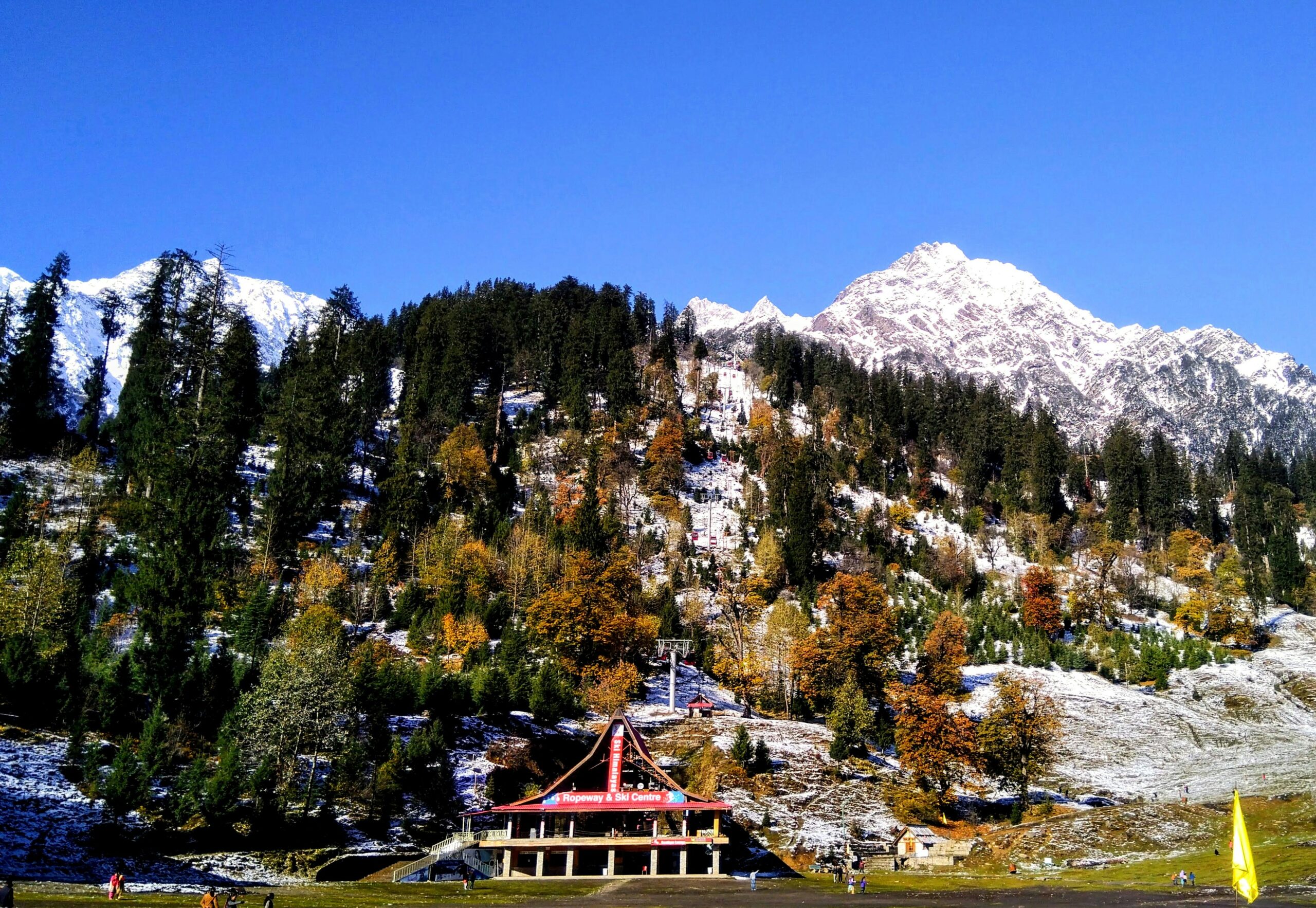
What draws me to India? Is it the spiritual heritage of Varanasi, the architectural wonders like the Taj Mahal, the wildlife safaris in Ranthambore, the beaches of Goa, or the mountain landscapes of Himachal Pradesh?
What's my travel pace? Do you prefer visiting 2-3 destinations deeply, or would you rather see 8-10 places with a faster itinerary?
Who am I traveling with? Solo travelers have different needs than families with children or groups of friends.
What experiences are non-negotiable? Maybe you must see the Taj Mahal, take a cooking class, ride an elephant, or attend a traditional ceremony.
Getting specific about your priorities helps you filter through the hundreds of available packages. The best travel companies, including India Custom Tours, will customize itineraries around your unique interests rather than forcing you into a one-size-fits-all tour.
Step 2: Set a Realistic Budget for
India can accommodate virtually any budget, from backpacker to luxury. Travel packages typically fall into different tiers to suit various comfort levels and preferences.
Budget Packages: Basic hotels, shared transportation, limited included meals, larger group sizes.
Mid-Range Packages: Comfortable 3-4 star hotels, private air-conditioned vehicles, most meals included, smaller groups or private tours.
Luxury Packages: 5-star heritage hotels and resorts, private chauffeur-driven cars, all meals at premium restaurants, private guides, exclusive experiences.
What's typically included in package pricing:
- Accommodations for all nights
- Ground transportation (car with driver, trains, or domestic flights)
- Breakfast daily, plus some additional meals
- Entrance fees to monuments and attractions
- English-speaking tour guides
- Airport transfers
What usually costs extra:
- International flights to India
- Visa fees
- Travel insurance
- Lunches and dinners not specified
- Tips for drivers and guides
- Personal shopping and expenses
When you work with India Custom Tours, you'll receive transparent pricing with no hidden fees. Our packages clearly outline what's included so you can budget accordingly.
Step 3: Choose Your Destinations Wisely
India is massive roughly one-third the size of the United States. Trying to see everything in one trip is impossible and exhausting.
For first-time visitors (7-14 days), consider these classic routes:
The Golden Triangle (7-9 days): Delhi, Agra, and Jaipur. This covers India's most iconic sights including the Taj Mahal, Amber Fort, and Red Fort. Perfect for those with limited time who want maximum impact.
Rajasthan Explorer (10-14 days): Delhi, Agra, Jaipur, Udaipur, Jodhpur, and Jaisalmer. Experience the colorful culture, majestic forts, and desert landscapes of India's most romantic state.
South India Circuit (10-14 days): Chennai, Mahabalipuram, Pondicherry, Thanjavur, Madurai, Thekkady, and Kerala backwaters. Tropical temples, spice plantations, and houseboat cruises.
For repeat visitors or longer stays (14+ days):
Combine regions for deeper exploration. Perhaps the Golden Triangle plus Varanasi for spirituality, or Rajasthan followed by the beaches of Goa, or a north-to-south journey covering multiple states.
The key is allowing enough time in each destination. Rushing through five cities in seven days means you'll spend more time in cars and airports than actually experiencing India. Quality tour operators like India Custom Tours design itineraries with appropriate pacing, ensuring you see the highlights without burning out.
Step 4: Evaluate Transportation Options
How you travel between destinations dramatically affects your experience and budget.
Private car with driver: The most comfortable and flexible option. Your driver picks you up at your hotel, you travel at your own pace, stop for photos, and arrive refreshed. here in India Custom Tours provides modern, air-conditioned vehicles with experienced drivers who know the routes intimately.
Trains: A cultural experience in itself. First-class AC coaches are comfortable and affordable. Overnight trains save hotel costs and travel time. However, booking can be complicated, and delays are common.
Domestic flights: Best for covering large distances quickly (Delhi to Goa, Delhi to Kerala, etc.). Budget airlines make this affordable, but factor in airport time and transfers.
Group buses: The most economical but least comfortable. You're on someone else's schedule with multiple hotel pickups.
For most travelers, a private car offers the best value. You're not waiting for group members, you can adjust plans on the fly, and you travel in comfort. The convenience is worth the modest additional cost over group tours.
Step 5: Assess Accommodation Standards
Where you sleep affects your entire experience. Look beyond star ratings to understand what you're actually getting.
Questions to ask about accommodations:
- What are the specific hotel names? (Avoid packages that list "similar" hotels)
- What's included with the room? (Breakfast, Wi-Fi, air conditioning?)
- Are hotels centrally located or on the outskirts?
- How old are the hotels? (Many 4-star hotels in India are dated)
- Are there reviews on TripAdvisor or Google?
India Custom Tours partners with carefully selected hotels that consistently deliver quality service, cleanliness, and comfort. We personally inspect our accommodation partners to ensure they meet our standards.
Step 6: Understand Guide Services
A knowledgeable guide transforms monuments from pretty buildings into stories that bring history alive.
What to look for in guide services:
- Are guides government-licensed and English-speaking?
- Do you have the same guide throughout, or different guides in each city?
- Are guides included for all major sights or just some?
- Can you request guides with specific expertise (photography, architecture, spirituality)?
Private guides cost more than sharing a guide with 20 other tourists, but the personalization is invaluable. They tailor explanations to your interests, answer your questions in depth, and provide insider tips on restaurants and shopping.
Step 7: Read Reviews and Check Credentials
This step can't be overstated. Reviews reveal what the glossy brochures hide.
Where to research:
- TripAdvisor (look for consistent patterns in reviews, not just star ratings)
- Google Reviews
- Trust pilot
- Facebook recommendations
- Travel forums like Lonely Planet's Thorn Tree
Red flags to watch for:
- No online presence or reviews
- Poor communication before booking
- Pressure to book immediately
Companies with strong reputations, like India Custom Tours, have extensive verified reviews and are transparent about their services. Don't hesitate to ask for references from past clients.
Step 8: Compare Flexibility and Customization
Standard packages visit the same places at the same times. But what if you want to spend an extra day in Udaipur? Or skip a palace to visit a local market?
Flexibility features to look for:
- Ability to customize the itinerary before booking
- Options to upgrade hotels or vehicles
- Freedom to adjust daily schedules (within reason)
- Alternative activities for different interests
- Extension options to add destinations
India Custom Tours specializes in tailor-made experiences. Every itinerary starts as a conversation about what you want to see and do. We then design a package specifically for you, adjusting until it's exactly right.
Step 9: Verify What's Truly Included
The devil is in the details. Two seemingly similar packages can have vastly different inclusions.
Create a checklist and verify:
- Number of nights and hotels
- All transportation with vehicle type
- Meals (how many breakfasts, lunches, dinners?)
- Entrance fees (all monuments or just some?)
- Guide services (how many days, which sites?)
- Airport pickup and drop-off
- Parking and toll charges
- Driver allowances
Some companies advertise low prices but exclude entrance fees, which can significantly increase your actual cost. Others charge extra for airport transfers, which should be standard.
Reputable operators provide detailed day-by-day itineraries that specify exactly what's included each day.
Step 10: Assess Customer Support
How to choose the perfect Travel package to India, Things don't always go as planned when traveling. Flight delays happen, you might feel unwell, or you may want to adjust your plans.
Questions about support:
- Is there 24/7 emergency contact?
- What happens if I miss a flight or train?
- Can the itinerary be modified after I arrive if needed?
- What's the refund and cancellation policy?
- Do you have staff on the ground in India or is this booked through middlemen?
India Custom Tours maintains offices in India with support teams available around the clock. If you need anything during your trip, a quick call or message gets results immediately. We're not a booking website—we're a full-service travel company with people who care about your experience.
Step 11: Consider Special Requirements
Every traveler has unique needs. Make sure your package accommodates them.
Dietary requirements: India is fantastic for vegetarians, but if you have allergies or specific dietary needs, confirm the tour company can communicate this to hotels and restaurants.
Accessibility: If you have mobility challenges, standard tours may not work. Ask about wheelchair accessibility, walking distances, and alternative arrangements.
Family-friendly features: Traveling with kids? Look for packages that include child-friendly activities, flexible schedules, and hotels with family rooms.
Solo travelers: Some packages charge hefty single supplements. Ask about single traveler options and whether you can join small groups to reduce costs.
Step 12: Understand Visa and Entry Requirements
Don't book a package without confirming you can actually enter India.
Most nationalities need a visa to enter India. The e-Visa is the easiest option for tourists, available for citizens of over 160 countries. Apply online at least four days before travel (though applying 2-3 weeks ahead is smarter).
Your travel package provider should guide you through visa requirements, but they typically don't apply for visas on your behalf. When you book with India Custom Tours, we provide step-by-step visa guidance and answer any questions about the process.
Step 13: Factor in the Best Time to Visit
India's climate varies dramatically by region and season. The wrong timing can mean monsoons, extreme heat, or crowds.
October to March: Peak season for most of India. Pleasant weather, clear skies, major festivals. Prices are highest and popular sites are crowded.
April to June: Hot and dry in most regions. Good for mountain destinations like Ladakh and Himachal Pradesh. Off-season discounts available.
July to September: Monsoon season. Heavy rains in most areas, though Kerala is beautiful during monsoons. Lowest prices and smallest crowds.
Your package dates should align with good weather for your chosen destinations. An experienced company like India Custom Tours will advise on optimal timing based on where you want to go.
Step 14: Look for Value-Added Experiences
The best packages include special touches that independent travelers might miss.
Examples of value-added experiences:
- Cooking classes with local families
- Traditional Village Tour and stay
- Sunrise viewing at the Taj Mahal (before crowds arrive)
- Private boat rides on lakes or rivers
- Traditional cultural performances
- Visits to local homes or artisan workshops
- Photography walks in early morning
- Yoga sessions in spiritual destinations
These experiences don't necessarily cost much but require local knowledge and connections to arrange. They're what transform a good trip into an unforgettable journey.
Step 15: Understand Payment Terms and Protection
Secure your investment by understanding payment policies.
Questions to clarify:
- What deposit is required to confirm the booking?
- When is final payment due?
- What payment methods are accepted?
- Are payments protected or refundable if the company fails to deliver?
- What does travel insurance cover?
Book with a company that has secure payment systems and clear terms. At India Custom Tours, we offer multiple secure payment options and provide complete documentation of your booking.
Always purchase comprehensive travel insurance that covers trip cancellation, medical emergencies, and lost luggage. Your package provider should recommend this but won't include it in the base price.
Red Flags: When to Walk Away
Trust your instincts. If something feels off, it probably is.
Warning signs of problematic tour operators:
- Prices significantly below market rates (if it seems too good to be true...)
- Reluctance to provide detailed itineraries
- No physical address or verifiable business registration
- Requests for full payment upfront
- No reviews or only suspicious-looking reviews
- Unwillingness to customize or answer detailed questions
Making Your Final Decision on How to choose the perfect Travel package to India
You've done your research. Now it's time to choose.
List your top 2-3 package options. Compare them side-by-side on factors that matter most to you: destinations, price, inclusions, accommodation quality, transportation, flexibility, and company reputation.
Don't choose based solely on price. The cheapest option often cuts corners that affect your experience. Similarly, the most expensive doesn't guarantee the best value.
Look for the package that best aligns with your goals, fits your budget comfortably, and comes from a company you trust to deliver.
Why Choose India Custom Tours?
At India Custom Tours, we don't believe in one-size-fits-all travel. Every itinerary we design is customized around your interests, pace, and budget.
What sets us apart:
- Complete customization: Your trip, your way. We adjust every detail until it's perfect.
- Quality vehicles and drivers: Modern, air-conditioned cars with experienced, English-speaking drivers who prioritize your safety and comfort.
- Handpicked accommodations: We personally inspect hotels to ensure they meet our standards for cleanliness, service, and location.
- Expert local guides: Government-licensed professionals who bring India's stories to life.
- 24/7 support: Real people available any time you need assistance during your trip.
- Transparent pricing: No hidden fees. What we quote is what you pay.
- Proven track record: Hundreds of five-star reviews from satisfied travelers who trusted us with their India dreams.
Whether you're drawn to the Golden Triangle's architectural wonders, Rajasthan's colorful culture, Kerala's tranquil backwaters, or a grand tour combining multiple regions, we'll create the perfect itinerary with comfortable transportation, excellent accommodations, and meaningful experiences.
Your India Journey Starts Here on How to choose the perfect Travel package
Choosing a travel package to India doesn't have to be complicated. With clear priorities, realistic budgets, and a trusted partner, you're ready to embark on one of the world's most extraordinary adventures.
India will surprise you, challenge you, inspire you, and likely change you. The colors, flavors, sounds, and spirituality create memories that last a lifetime. A well-planned package ensures you experience the magic without the stress.
Ready to start planning your perfect India adventure? Visit India Custom Tours to explore our customizable packages and connect with our travel experts. We'll help you design a journey as unique as you are.
Your incredible India story is waiting. Let's make it unforgettable.
Frequently Asked Questions
How far in advance should I book my India travel package?
For peak season travel (October-March), book 2-3 months in advance to secure the best hotels and prices. Off-season travel can be booked with less lead time, though earlier booking still offers more choices.
Can I combine multiple regions in one trip?
Absolutely. Many travelers combine destinations like Rajasthan with Kerala, or the Golden Triangle with Goa's beaches. With proper planning and adequate time (minimum 14 days for multi-region trips), you can experience India's diversity. India Custom Tours specializes in creating seamless multi-region itineraries.
What if I need to cancel my trip?
Cancellation policies vary by company. Most require non-refundable deposits but offer partial refunds if you cancel 30-60 days before travel. Always purchase travel insurance to protect your investment against unforeseen circumstances.
Are travel packages suitable for solo travelers?
Yes, though some companies charge single supplements. Look for operators who offer solo-friendly pricing or can connect you with small groups. Private tours with a car and driver work perfectly for solo travelers who want flexibility without paying double.
How much should I tip drivers and guides in India?
Tipping is customary for good service in India. Your tour company can provide specific guidance based on your itinerary and the level of service provided. India Custom Tours will brief you on appropriate tipping practices for your specific tour.
1st Great India tour packages from USA and Europe
The best India tour packages from USA and Europe in 2026.
Explore itineraries, visa details, travel tips, and expert planning advice for a perfect India trip.
Why India Captivates the World : Best India tour packages from USA and Europe

Imagine watching the first golden rays of sunrise slowly illuminate the white marble of the Taj Mahal, its reflection shimmering gently in the Yamuna River. Picture yourself wandering through the vibrant streets of Jaipur, where pink-hued palaces rise above bustling bazaars filled with colors, sounds, and fragrances that feel almost unreal. Visualize drifting peacefully through Kerala’s backwaters on a private houseboat, coconut palms leaning over calm waters as your onboard chef prepares freshly spiced local dishes. Or feel the quiet power of spirituality while standing on the ghats of Varanasi, as hundreds of lamps float down the sacred Ganges during the evening Ganga Aarti.
For travelers from the United States and Europe, India is not simply a holiday destination. It is a life-changing journey. It is a place where ancient civilizations still shape daily life, where spirituality blends naturally with modern ambition, and where every state feels like a different country with its own language, cuisine, architecture, and traditions.
In 2026, India is more welcoming than ever before. With improved roads, modern airports, luxury and boutique hotels, reliable digital payments, and a simplified e-visa system, traveling across India has become significantly easier for Western visitors. Carefully designed India tour packages from the USA and Europe now focus on comfort, safety, cultural depth, and authentic local experiences rather than rushed sightseeing.
This complete guide has been created specifically for American and European travelers planning an India trip in 2026. It explains the best itineraries, realistic costs, visa requirements, travel seasons, cultural expectations, safety considerations, and expert booking advice so that you can plan your journey with confidence and excitement.
Why Choose for The best India tour packages from USA and Europe in 2026

India offers something rare in today’s travel world: incredible diversity, deep cultural meaning, and exceptional value, all within a single country. One of the strongest reasons travelers from the USA and Europe choose India is the outstanding value for money. Thanks to favorable exchange rates, experiences that would cost a fortune in Europe or North America are surprisingly affordable in India. A private car with driver, expert local guides, heritage hotels, spa treatments, and fine dining are accessible without compromising quality.
India also stands out for its unmatched diversity. Within one trip, travelers can experience snow-covered Himalayan mountains, golden deserts, tropical beaches, dense jungles, peaceful backwaters, historic cities, and modern metropolises. Each region has its own identity, food culture, clothing, music, and architecture. Traveling through India feels like visiting multiple countries without needing separate visas or currencies.
By 2026, infrastructure improvements have transformed travel comfort across India. New expressways reduce long drives, modern trains offer faster connections between heritage cities, and upgraded airports provide smoother arrivals. Hotels across all categories now meet international standards, and reliable internet connectivity makes travel planning easier even on the move.
India’s e-visa system has further simplified travel for American and European passport holders. The entire visa process is completed online, often approved within days, eliminating embassy visits and unnecessary paperwork. Combined with growing wellness tourism, yoga retreats, culinary experiences, and immersive cultural activities, India has become one of the most rewarding destinations for thoughtful travelers seeking meaning beyond sightseeing.
The Most Popular & The best India tour packages from USA and Europe in 2026
For first-time visitors, the Golden Triangle tour remains the most popular introduction to India. Covering Delhi, Agra, and Jaipur, this route showcases the country’s historical heart. Delhi presents a fascinating contrast between ancient monuments and modern life. Agra offers the timeless beauty of the Taj Mahal, often described as more emotional in person than any photograph can capture. Jaipur enchants visitors with royal palaces, massive forts, and lively markets. The manageable distances and excellent roads make this itinerary ideal for travelers adjusting to India for the first time.
Those looking for royal heritage and romance often choose Rajasthan tours. Traveling through cities such as Mandawa, Jaisalmer, Jodhpur, and Udaipur feels like stepping into a storybook of kings and warriors. Desert sunsets, camel rides, historic forts, blue and golden cities, and lake palaces create unforgettable memories. Rajasthan tour packages from Europe and the USA are particularly popular among honeymooners, photographers, and luxury travelers.
South India offers a completely different rhythm and landscape. Kerala tour packages focus on nature, wellness, and relaxation. From tea plantations in Munnar to wildlife in Thekkady and peaceful houseboat stays in Alleppey, Kerala feels calm and rejuvenating. Combined with beaches in Kovalam or cultural experiences in Kochi, South India tours appeal strongly to couples and wellness-focused travelers.
Spiritual travelers are drawn to destinations such as Varanasi, Rishikesh, Dharamshala, and Amritsar. These journeys focus on yoga, meditation, ancient rituals, and philosophical reflection. Witnessing the Ganga Aarti in Varanasi or spending time in Himalayan ashrams often leaves travelers deeply moved.
Adventure lovers often choose wildlife safaris or Himalayan expeditions. Tiger reserves such as Ranthambore, Bandhavgarh, and Kanha offer thrilling safari experiences with high chances of tiger sightings. Meanwhile, Ladakh and Spiti Valley attract travelers seeking dramatic landscapes, high-altitude monasteries, and raw natural beauty.
For travelers with extended time, a Grand India tour combines North and South India into one immersive journey, covering monuments, beaches, backwaters, temples, cities, and spiritual centers. These longer itineraries are ideal for retirees, sabbatical travelers, or those fulfilling a once-in-a-lifetime dream.
E-Visa and Travel Requirements for 2026
Travelers from the USA and most European countries can apply for an Indian e-tourist visa online. Options include 30-day, one-year, and five-year visas, all allowing multiple entries depending on validity. The process requires uploading a passport copy, photograph, and completing a short online form. Most visas are approved within a week.
Passports must be valid for at least six months from the date of arrival and contain blank pages for stamps. The e-visa is accepted at major international airports across India, making arrival straightforward. Travelers are advised to apply at least two weeks before departure to avoid last-minute stress.
Best Time to Visit India
The best time to visit India largely depends on the regions included in your itinerary. For most North and Central India destinations, the period from October to March offers the most pleasant weather. These months are ideal for Rajasthan, the Golden Triangle, wildlife safaris, and cultural tours.
Summer months from April to June can be hot in the plains but are excellent for Himalayan regions such as Ladakh, Spiti, and hill stations. Monsoon season from July to September brings lush greenery, especially in Kerala and Northeast India, and offers attractive discounts for travelers comfortable with occasional rain.
Cultural Awareness for Western Travelers
India is welcoming, warm, and deeply respectful of traditions. Dressing modestly, especially at religious sites, is appreciated. Removing shoes before entering temples and covering shoulders and knees shows cultural sensitivity. English is widely spoken, and locals are usually eager to help travelers.
Food safety is important, and travelers are advised to drink only bottled water and eat freshly prepared meals. Vegetarian and vegan options are abundant across India, making dietary preferences easy to accommodate.
Is India Safe for USA and Europe Travelers?
India is generally safe for tourists, particularly those traveling on organized tours. Most concerns involve minor scams or overcharging rather than serious crime. Using reputable tour operators, staying in quality accommodations, and following basic precautions ensures a smooth experience. Women travelers, including solo travelers, visit India safely every year with proper planning and awareness.
How to Book the Right India Tour Package
Booking the right India tour package starts with choosing destinations that match your interests and travel time. Working with a trusted local tour operator ensures transparent pricing, smooth communication, and a well-planned itinerary. Private custom tours offer the best flexibility, comfort, and personalized experiences.
For a stress-free experience, plan your trip A months in advance. To get a tailor-made India tour designed exactly for you, simply contact our expert team.
Why India Leaves a Lasting Mark
India is intense, beautiful, challenging, and deeply rewarding. It offers moments of chaos and moments of peace, sometimes within the same hour. Travelers often arrive curious and leave transformed, carrying stories, insights, and memories that stay for a lifetime.
For travelers from the USA and Europe, India is not just another destination on a list. It is a journey that expands perspectives, deepens cultural understanding, and reconnects people with humanity in its rawest and most vibrant form.
If you are planning your India trip in 2026, there has never been a better time to go. With thoughtful planning, with our trusted services, and an open heart, India will exceed every expectation.
Attend Authentic Indian Weddings : Indian Wedding Tourism
Indian Wedding Tourism: Attend Authentic Indian Weddings
as a Foreign Tourist (2026 Guide)
What is Indian Wedding Tourism?
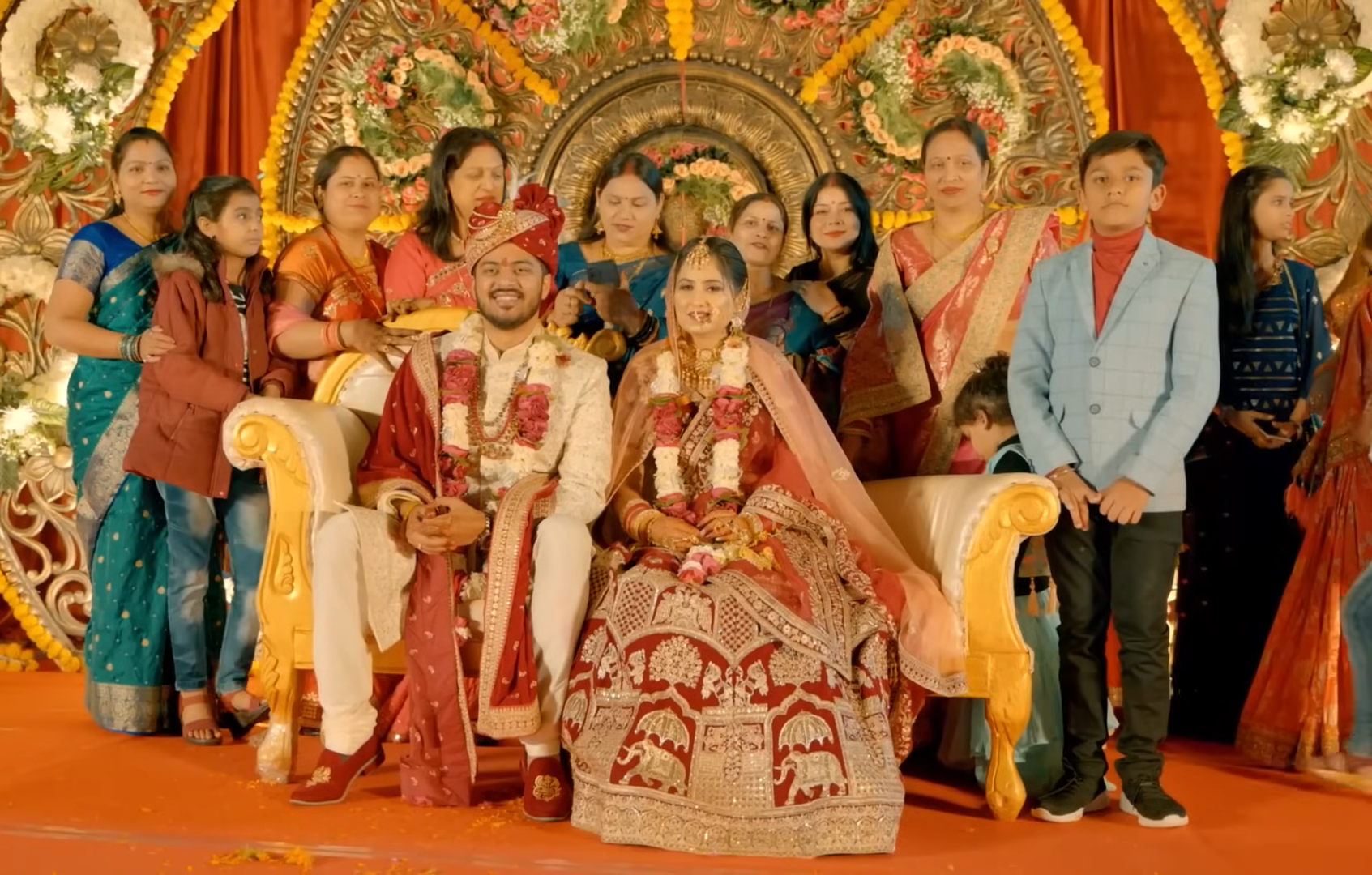
Indian wedding tourism offers international travelers an extraordinary opportunity to witness and participate in authentic Indian wedding celebrations. Unlike typical sightseeing tours, this immersive experience lets you become part of India's most vibrant cultural celebration, experiencing traditions that date back thousands of years while making a meaningful social impact.
At India Custom Tours, we connect foreign tourists with genuine Indian wedding celebrations across Rajasthan, Delhi, Jaipur, Udaipur, and other destinations, ensuring respectful cultural exchange while supporting families in need.
Why Attend an Indian Wedding as a Tourist?
The Ultimate Cultural Immersion Experience
Indian wedding tourism aren't one-day events. Most traditional Indian weddings span 3-7 days with multiple ceremonies, each bursting with color, music, dance, and spiritual significance. For foreign tourists, attending an Indian wedding provides:
Authentic Cultural Access: Experience India beyond monuments and museums. Witness how real Indian families celebrate life's most important milestone with traditions unchanged for millennia.
Multi-Day Celebrations: Join the Mehendi ceremony (intricate henna application), Sangeet night (musical performances and dancing), Haldi ritual (turmeric blessing for good fortune), and the main wedding ceremony with sacred Vedic mantras.
Regional Diversity: Each Indian state celebrates differently. Punjabi weddings feature energetic Bhangra dancing and grand Baraat processions. South Indian weddings showcase temple rituals and banana leaf feasts. Rajasthani royal weddings display palace grandeur with elephants and heritage venues.
Spiritual Significance: Watch the sacred Agni (fire ceremony), witness the Saptapadi (seven sacred steps around fire), and observe ancient Sanskrit rituals that connect modern celebrations to 5,000-year-old Hindu traditions.
Our Unique Indian Wedding Tourism Program
How India Custom Tours Makes Wedding Tourism Meaningful
Real Weddings, Not Tourist Shows: We arrange attendance at authentic Indian family weddings, not staged performances. You'll experience genuine hospitality as families welcome you into their most sacred celebration.
Expert Cultural Guidance: Our licensed tour guides explain each ritual's spiritual meaning in English, helping you understand why the groom arrives on a decorated white horse, what the tied hands symbolize during the ceremony, and how astrology determines auspicious wedding dates.
Complete Support: We provide traditional Indian wedding attire (sarees for women, sherwanis for men), transportation in air-conditioned private vehicles, and 24/7 assistance throughout your wedding tourism experience.
Social Impact Mission: 15% of every wedding tourism package directly supports underprivileged Indian families, helping them celebrate their own traditional weddings with dignity. Your cultural experience becomes a force for positive community change.
Traditional Indian Wedding Rituals Explained for Foreign Guests ( Authentic Indian wedding)
Understanding the Sacred Ceremonies
Baraat (Groom's Grand Procession): The groom arrives on a decorated white horse accompanied by dancing relatives, dhol drummers, and a brass band. This joyous procession can last 2-3 hours as the groom's party celebrates through decorated streets.
Kanyadaan (Giving Away the Bride): The bride's father places her hand in the groom's hand, symbolizing trust and the transition to a new family. This deeply emotional moment often brings tears to everyone present.
Phere or Saptapadi (Seven Sacred Steps): The couple circles the sacred fire seven times, each circle representing a specific vow: nourishment, strength, prosperity, happiness, children, health, and friendship. This is the ceremony's most sacred moment.
Mangalsutra (Sacred Wedding Necklace): The groom ties a black-and-gold beaded necklace around the bride's neck, similar to exchanging rings in Western weddings, symbolizing their eternal bond.
Sindoor (Vermillion Application): The groom applies red sindoor powder to the bride's hair parting, a symbol of married status in Hindu tradition.
Regional Wedding Variations
North Indian Weddings (Punjab, Delhi, Rajasthan): Grand, colorful celebrations with loud music, elaborate Baraat processions, and multiple-day festivities. Expect vibrant colors, Bollywood-style dancing, and lavish feasts.
South Indian Weddings (Tamil Nadu, Kerala, Karnataka): More traditional and ritual-focused, often held during daytime in temples. Features exchange of flower garlands, tying of the sacred Thaali (Mangalsutra), and serving lunch on banana leaves.
Bengali Weddings (West Bengal): Unique rituals include the bride standing on a wooden plank during the ceremony, fish being an auspicious part of meals, and beautiful white-and-red Benarasi sarees.
Gujarati Weddings: Colorful mandap (wedding canopy) decorations, Garba dancing, and the unique tradition of playful post-wedding games between bride and groom.
Our Wedding Tourism Social Impact Program
Supporting Indian Families Through Cultural Exchange
Traditional Indian weddings hold immense cultural and spiritual importance, yet many underprivileged families struggle to afford even basic wedding ceremonies. Our wedding tourism program creates meaningful impact:
Direct Financial Support: 15% of your package fee goes directly to helping economically disadvantaged Indian families celebrate their weddings with traditional dignity.
Cultural Preservation: By supporting traditional wedding celebrations, we help preserve authentic rituals that might otherwise be simplified due to financial constraints.
Community Building: Your participation creates genuine cross-cultural understanding while strengthening India's social fabric and community traditions.
Transparent Accountability: We provide regular updates showing exactly how your contribution helps families across rural Rajasthan, Uttar Pradesh, and other regions celebrate this life-changing milestone.
Since 2020, our wedding tourism program has helped support over 150 traditional Indian weddings for families in need.
What to Expect: Your Indian Wedding Tourism Experience
Complete Wedding Package Includes:
Duration: 3-7 days depending on wedding celebrations (most tourists choose 3-4 day packages)
Accommodation: Comfortable 3-5 star hotels near the wedding venue with breakfast included
Transportation: Private air-conditioned vehicle with experienced English-speaking driver
Cultural Guide: Licensed tour guide explaining ceremonies and facilitating cultural exchange
Traditional Attire: Assistance arranging appropriate Indian wedding clothes (rental or purchase options)
Meals: Unlimited access to authentic Indian wedding feasts featuring regional delicacies
Photography: Opportunities to capture colorful moments (with family's explicit permission)
Pre-Wedding Preparation: Detailed briefing on Indian wedding etiquette, appropriate behavior, and cultural sensitivity
Sample 4-Day Rajasthani Wedding Tourism Itinerary:
- Day 1: Arrival in Jaipur, hotel check-in, meet your host family, attend Mehendi ceremony (henna application party with music and dancing)
- Day 2: Attend Sangeet night (musical performances, choreographed dances, family entertainment), experience traditional games
- Day 3: Haldi ceremony (turmeric blessing ritual), main wedding ceremony in the evening with Baraat, Phere, and reception dinner
- Day 4: Post-wedding ritual visits, farewell breakfast with family, tour of Jaipur (Amber Fort, City Palace) before departure
Why Choose India Custom Tours for Indian wedding tourism ?
15+ Years Creating Authentic Indian wedding tourism experiences
We're not newcomers to cultural tourism. India Custom Tours has been organizing personalized Indian tours since 2009, and our wedding tourism program builds on this extensive experience:
- Deep Cultural Relationships: We maintain respectful partnerships with families across Rajasthan, Uttar Pradesh, Punjab, and other states who genuinely want to share their wedding celebrations with international visitors.
- Licensed Professional Guides: All our tour guides hold Government of India licenses, requiring 6 months of rigorous training in Indian history, culture, and tourism regulations.
- Privacy and Respect: We ensure all arrangements honor the family's traditions, privacy preferences, and religious sensitivities.
- 24/7 Support: Our team provides round-the-clock assistance in English throughout your wedding tourism experience.
- Flexible Customization: Every package can be tailored to combine wedding attendance with popular destinations like the Taj Mahal, Udaipur's lakes, or Jaipur's palaces.
Combining Indian wedding tourism with Classic Indian Destinations
Create Your Perfect Indian Wedding Tourism journey
Our wedding tourism packages integrate seamlessly with our most popular tours:
- Rajasthan Wedding & Heritage Tour (10-14 days): Attend a traditional Rajasthani wedding in Jaipur or Udaipur, then explore magnificent Mehrangarh Fort, Amber Fort, City Palace, and take a sunset boat ride on Lake Pichola.
- Golden Triangle with Wedding Experience (8-10 days): Combine the iconic Delhi-Agra-Jaipur circuit (including Taj Mahal sunrise visit) with an authentic Punjabi or Rajasthani wedding celebration.
- Rural India & Wedding Traditions (12-15 days): Experience village weddings with simpler, deeply traditional ceremonies in rural Rajasthan, staying in heritage havelis and interacting with local communities.
- Spiritual India with Wedding Blessing (10-12 days): Visit sacred Varanasi ghats, Rishikesh yoga ashrams, and attend a traditional Hindu wedding ceremony in North India.
- Best Time for Indian Wedding Tourism
Wedding Season Planning Guide
Peak Wedding Season: November to March offers pleasant weather (15-25°C) and the highest number of weddings. This period is considered most auspicious according to the Hindu calendar and astrology.
Auspicious Wedding Months:
- November-December: Post-Diwali season, extremely popular for weddings
- January-February: Cool winter months, ideal for outdoor ceremonies
- March: Spring weddings before summer heat begins
Regional Considerations:

- South Indian weddings: Peak in December-January
- North Indian weddings: November-February preferred
- Avoid July-September (monsoon season) in most regions
Advance Booking Required: Traditional Indian families set wedding dates 3-6 months in advance based on astrological consultations. We recommend contacting us at least 8-12 weeks before your preferred travel dates to ensure wedding availability.
Cultural Etiquette for Foreign Wedding Guests
Essential Guidelines for Respectful Participation in Indian wedding tourism
Dress Code:
- Women: Wear colorful traditional Indian attire (saree, lehenga, or salwar kameez). Avoid white, black, or red (red is reserved for the bride)
- Men: Kurta-pajama or sherwani are appropriate. Western suits acceptable but Indian attire preferred
- Modest coverage: Shoulders and knees covered, especially during religious ceremonies
Gift Etiquette: Cash gifts in decorative envelopes are traditional and most appreciated. Amount depends on your relationship and local customs (₹2,100-5,000 or more for foreign guests)
Photography: Always ask permission before photographing ceremonies, especially during sacred rituals. Never use flash during religious moments.
Behavior:
- Remove shoes before entering wedding mandap (ceremonial area)
- Sit quietly during religious ceremonies, stand when others stand
- Participate in dancing and celebrations when invited
- Try all foods offered, but it's okay to decline if too spicy
- Never touch the sacred fire or wedding altar unless invited
Language: Most educated Indians speak English. Your guide will help translate, but learning basic Hindi greetings impresses hosts ("Namaste," "Dhanyavaad" for thank you)
Real Experiences: What Foreign Tourists Say About Indian Wedding Tourism
Practical Information for Indian Wedding Tourism
Essential Travel Details for Indian wedding tourism
Visa Requirements:
- Tourist e-visa available for 169+ nationalities
- Apply online 4-30 days before arrival
- Valid for 30 days, costs approximately $25-80 USD depending on nationality
- Wedding tourism qualifies under tourist visa category
Health & Safety:
- Standard travel vaccinations recommended (Hepatitis A, Typhoid)
- Travel insurance strongly advised
- Drink only bottled or purified water
- India Custom Tours provides 24/7 emergency support
- All COVID-19 protocols followed as per current regulations
Currency:
- Indian Rupee (INR), approximately ₹90 = $1 USD (rates fluctuate)
- ATMs widely available in cities
- Credit cards accepted in hotels, less common in rural areas
- Carry some cash for small purchases and gifts
Language:
- English widely spoken in tourist areas and by educated Indians
- Hindi is most common language in North India
- Regional languages vary by state
- Our guides are fluent in English
Climate:
- November-March: 15-25°C (59-77°F), ideal weather
- Bring light layers, one warm jacket for evenings
- Comfortable walking shoes essential
- Sunscreen and hat recommended
Booking Your Indian Wedding Tourism Experience
How to Get Started with Indian wedding tourism
- Step 1: Contact India Custom Tours via our website india-custom-tours.com with your preferred travel dates and duration for
- Step 2: We'll check wedding availability for your dates and send you wedding family profiles (maintaining privacy while sharing basic details about ceremony type, location, family size)
- Step 3: Discuss your interests, combine wedding attendance with sightseeing destinations you want to visit (Taj Mahal, Jaipur palaces, Rajasthan desert, Kerala backwaters, etc.)
- Step 4: Receive detailed itinerary with transparent pricing breakdown including accommodation, transportation, guide fees, and social impact donation component
- Step 5: Confirm booking with deposit, receive comprehensive pre-travel information including packing list, cultural guidance, and emergency contacts
- Step 6: Arrive in India where our driver meets you at the airport, and your unforgettable Indian wedding tourism adventure begins!
Transparent Pricing
Our wedding tourism packages range from $817-2,118 per person depending on duration, accommodation level, and destinations combined.
This includes:
- We donate 15% of total amount to support underprivileged family weddings
- All ground transportation in private AC vehicle
- Licensed English-speaking guide throughout
- 3-5 star accommodation with breakfast
- Wedding attendance coordination
- Traditional attire assistance
- 24/7 support
Frequently Asked Questions About Indian Wedding Tourism
Q: Will I feel intrusive attending someone's wedding? A: No! We only partner with families who genuinely want to share their celebration with international guests. They find the cultural exchange rewarding and enjoy hosting foreign visitors.
Q: Do I need to speak Hindi? A: Not at all. Our guides are fluent in English and help facilitate all communication. Many educated Indians speak English, especially in urban areas.
Q: What if the food is too spicy? A: Indian wedding feasts offer dozens of dishes from mild to very spicy. Our guides help you navigate options, and most hosts include milder dishes for guests unaccustomed to Indian spices.
Q: Can vegetarians/vegans be accommodated? A: Absolutely! Many Indian weddings are entirely vegetarian. We inform host families about any dietary requirements in advance.
Q: Is it safe for solo female travelers? A: Yes. We provide dedicated support for solo travelers, and Indian wedding environments are family-focused, respectful, and welcoming. Our team maintains contact throughout.
Q: Can I bring my children? A: Indian weddings are very family-friendly! Children are warmly welcomed, though the long ceremonies and late nights might challenge very young kids.
Q: What's different from wedding planning services I've seen? A: Most "Indian wedding tourism" refers to Indians hosting destination weddings abroad, or foreigners planning their own Indian-style weddings. Our unique program lets foreign tourists attend real Indian family weddings as honored guests.
Start Your Indian Wedding Tourism Journey Today
Experience the magic, spirituality, and joy of authentic Indian wedding traditions while supporting families in need. India Custom Tours creates respectful cultural exchanges that benefit both foreign travelers seeking genuine experiences and Indian communities preserving their rich heritage.
Ready to Witness India's Most Colorful Celebration?
Contact India Custom Tours:
- Website: india-custom-tours.com
- Email: Available on our website contact form
- WhatsApp: 24/7 support available
- Licensed Government of India Tour Guides
- Experienced Private Drivers Since 2009
- Fully Customizable Itineraries
From the eternal love story of the Taj Mahal to the living celebration of traditional Indian weddings, we create journeys that touch your heart, broaden your perspective, and make a lasting positive impact.
Don't just visit India. Experience India. Support India.
Related Experiences: Golden Triangle Tour | Rajasthan Heritage Tours | Rural India Villages | Private Driver Service
South India Tour Packages : The Ultimate 16-Day Journey Through Kerala, Tamil Nadu & Karnataka (2026 Guide)
Ultimate Journey Through Kerala, Tamil Nadu & Karnataka (2026 Guide)
Planning a South India Tour Package? This comprehensive guide covers everything you need to know about south india tour packages, from the serene backwaters of Kerala to the ancient temples of Tamil Nadu. Whether you're looking for customized South India Tour Package or a South India Tour Package with private driver, this detailed itinerary will help you experience the best of India's southern peninsula.
Why Choose South India Tour Packages?
South India Tour Package offers a completely different experience from North India. With lush tropical landscapes, rich cultural heritage, pristine beaches, and world-famous cuisine, South India Tour Package tourism are perfect for travelers seeking authenticity, spirituality, and natural beauty.
What makes South India Tour Package? The region boasts UNESCO World Heritage temple architecture that will leave you speechless, Kerala's tranquil backwaters offering houseboat experiences unlike anywhere else in the world, and hill stations covered with endless tea plantations. You'll discover spice gardens and wildlife sanctuaries teeming with elephants and exotic birds, pristine beaches that rival any tropical paradise, and authentic South Indian cuisine that's a revelation for your taste buds.
Complete South India Tour Package Itinerary
This best south india tour package covers three states Kerala, Tamil Nadu, and Karnataka with carefully curated experiences at each destination.
Day 1: Arrival in Cochin - Gateway to Kerala
Your South India Tour Package begins in Cochin (Kochi), Kerala's vibrant port city where colonial history meets modern India. Upon arrival at Cochin Airport, your private driver will greet you and transfer you to your hotel in a comfortable air-conditioned vehicle. After checking in and relaxing for a few hours, you'll embark on an afternoon exploration of this fascinating city.
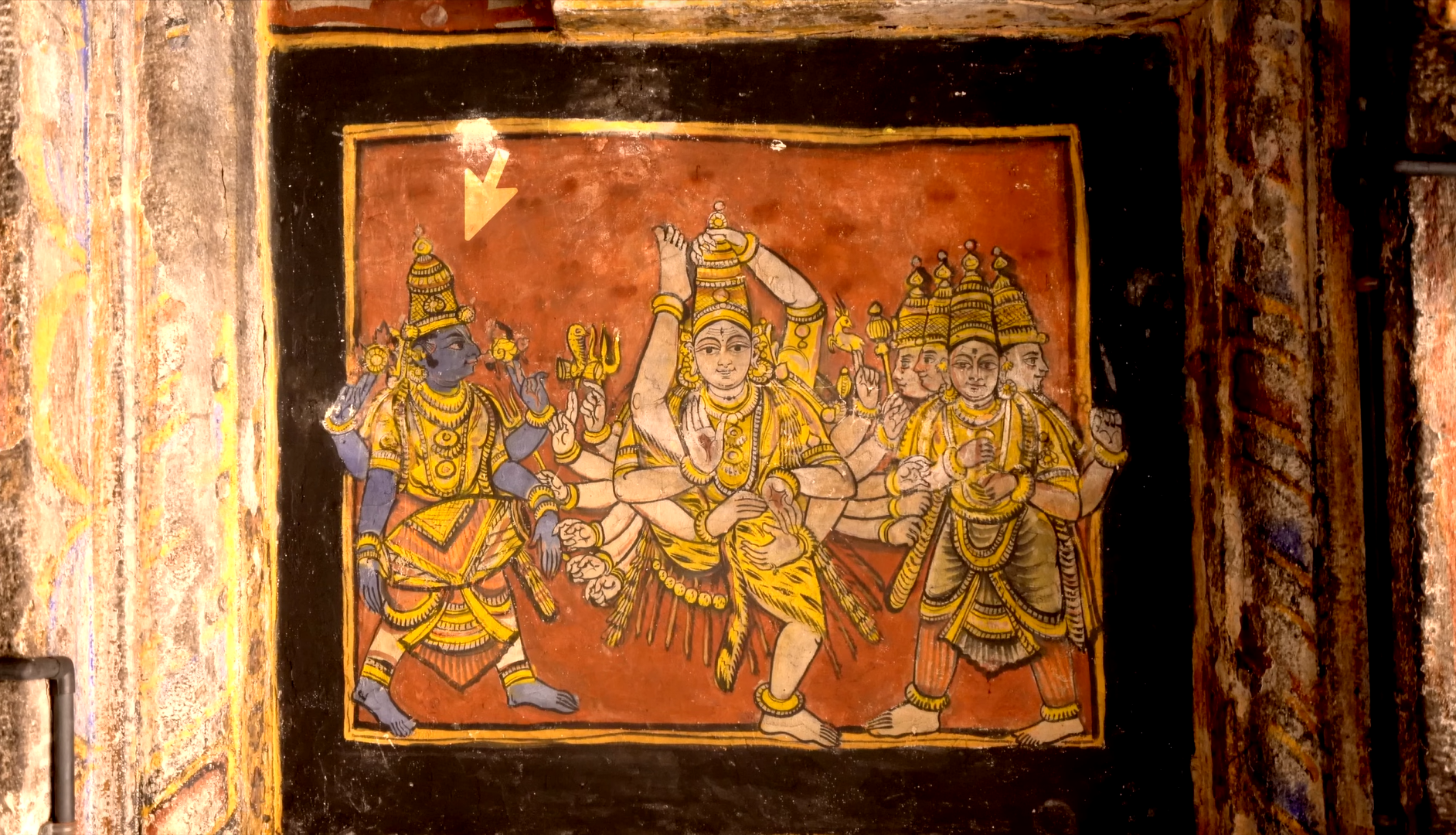
Start your South India Tour Package Tour at the Dutch Palace, also known as Mattancherry Palace, built by Portuguese traders in 1557 and later renovated by the Dutch. What makes this palace extraordinary are the murals some of India's finest depicting vivid scenes from the Ramayana and Mahabharata. The intricate artwork and rich colors have been preserved remarkably well, offering a glimpse into Kerala's artistic heritage.
Next, visit the Paradesi Synagogue in the heart of Jew Town. Constructed in 1568, this is the oldest active synagogue in the Commonwealth. Step inside to marvel at hand-painted Chinese tiles covering the floor, Belgian chandeliers hanging from the ceiling, and ancient Torah scrolls preserved behind glass. The neighborhood surrounding the synagogue is filled with antique shops selling everything from old coins to vintage furniture.
As evening approaches, In Your South India Tour Package we'll make your way to St. Francis Church, India's oldest European church built in 1510. This is where Portuguese explorer Vasco da Gama was originally buried before his remains were transferred to Portugal. The simple whitewashed exterior and wooden beam ceiling create a peaceful atmosphere that transports you back centuries. End your day at Fort Kochi Beach, where the iconic Chinese fishing nets stand silhouetted against the sunset. These massive fishing nets, introduced by traders from the court of Kublai Khan, are still operated manually using a counterweight system. Watch local fishermen at work, and if you're lucky, you can buy fresh catch directly from them and have it cooked at nearby beach shacks. Overnight stay in Cochin.
Day 2: Cochin to Munnar (130 km, 4 hours) - Into the Hills
After a hearty breakfast, check out and begin your scenic drive to Munnar, one of South India Tour Package most beautiful hill stations perched at 1,600 meters above sea level. The journey itself is half the adventure, with winding roads taking you through ever-changing landscapes. As you leave the coastal plains behind, you'll notice the air getting cooler and the scenery transforming from coconut groves to dense forests.
Stop at Cheeyappara Waterfalls, a spectacular seven-step cascade tumbling down the mountainside. During monsoon season from June to September, the falls are at their most powerful, creating a misty spray that refreshes tired travelers. A few kilometers ahead, you'll encounter Valara Waterfalls, another picturesque spot surrounded by thick forests perfect for photographs. As you continue ascending, watch the landscape transform into endless carpets of green as tea plantations begin to dominate the hillsides. The sight of tea pickers in colorful saris dotting the slopes is quintessentially Munnar.
Upon arrival in Munnar, check into your hotel and take some time to acclimatize to the cooler mountain air. After lunch, head to Eravikulam National Park, home to the endangered Nilgiri Tahr, a mountain goat species found only in the Western Ghats. The park offers some of the most spectacular views in South India, with rolling hills covered in grasslands stretching as far as the eye can see. If you're visiting between October and March, you have a good chance of spotting these friendly animals grazing close to the pathways. Note that the park closes during breeding season from February to March.
Later, visit the Tea Museum at Nallathanni Estate to understand the journey from leaf to cup. The museum showcases vintage tea processing equipment, photographs documenting tea plantation history, and explains the various grades of tea. The best part is the tea tasting session at the end, where you can sample different varieties. Spend your evening strolling through Munnar town, exploring the local market for fresh tea, aromatic spices, and handmade chocolates that make perfect souvenirs. The cool climate makes evening walks particularly pleasant. Overnight stay in Munnar.
Day 3: Full Day Munnar Sightseeing
Wake up to the crisp mountain air and dedicate this entire day to exploring Munnar's natural wonders. After breakfast, drive to Mattupetty Dam, built in the mountains for water conservation and power generation. The reservoir, surrounded by tea plantations and forests, offers excellent boating opportunities. Shikara boat rides are available, giving you a different perspective of the hills and a chance to spot various bird species that frequent the water.
Continue to Kundala Lake, a pristine artificial lake created to generate hydroelectric power. The lake is surrounded by hills on all sides, creating a picture-perfect setting. You can take a pedal boat or Shikara ride here as well. The nearby Sethuparvathi Dam is worth a quick visit for its engineering and the views it offers. Your next stop is Echo Point, located about 15 kilometers from Munnar town. This spot is famous for its natural echo phenomenon shout out your name and hear it bounce back from the surrounding hills. The viewpoint offers panoramic vistas of misty valleys and tea estates below, making it a favorite spot for photographers.
After lunch, visit a working tea factory to witness the entire tea-making process. You'll see how freshly plucked leaves go through withering, rolling, fermentation, drying, and finally sorting to produce different grades of tea. The aroma inside the factory is intoxicating, and guides explain how factors like elevation and rainfall affect tea quality. Many factories offer tea tasting sessions where you can distinguish between orthodox and CTC varieties.
If time permits, drive to Top Station, the highest point in Munnar at 1,700 meters above sea level. On clear days, you can see Tamil Nadu's plains stretching into the distance. This area is famous for the Neelakurinji flowers that bloom once every twelve years, painting the hills purple. The next bloom is expected in 2030, an event that draws thousands of visitors. As evening approaches, spend time shopping in Munnar's markets for fresh tea leaves, coffee powder, cardamom, pepper, eucalyptus oil, and handmade chocolates. The local honey is particularly good. Overnight stay in Munnar.
Day 4: Munnar to Thekkady (110 km, 3-4 hours) - Wildlife Awaits
After breakfast, check out and journey to Thekkady, home to the famous Periyar Wildlife Sanctuary. The drive takes you through more hill country, passing cardamom and pepper plantations. Cardamom is one of Kerala's most valuable crops, and you'll see entire hillsides covered with these plants. The road winds through small villages where life moves at a slower pace, giving you glimpses of rural Kerala.
Upon arrival in Thekkady, check into your hotel and freshen up before lunch. The afternoon is dedicated to one of the highlights of any Kerala wildlife tour package a boat cruise on Periyar Lake. This artificial lake was created by damming the Periyar River, and its shores now form the boundary of Periyar Wildlife Sanctuary. The 90-minute boat ride offers excellent opportunities to spot wildlife that comes to the water's edge to drink, especially during the dry season from December to April.
As your boat glides quietly across the water, keep your eyes peeled for herds of wild elephants bathing and playing in the shallows. Indian bison (gaur), sambar deer, wild boar, and various monkey species are frequently spotted along the shoreline. While tiger sightings are rare, the sanctuary is home to a significant tiger population. Birdwatchers will be delighted by sightings of hornbills, kingfishers, cormorants, and if you're lucky, the rare Malabar grey hornbill. The forested hills surrounding the lake create a stunning backdrop for photography.
In the evening, you have several options. You can take an elephant ride through the sanctuary, though increasingly this is being replaced by elephant bathing experiences where you can help bathe and interact with these gentle giants in a more ethical way. Alternatively, sign up for a spice plantation tour. Thekkady sits in the heart of Kerala's spice-growing region, and guided walks through plantations reveal how cardamom, pepper, cinnamon, cloves, nutmeg, and vanilla grow. You'll learn about cultivation techniques and can purchase fresh spices directly from farmers. Some plantations also offer traditional Kerala meals cooked with freshly ground spices. If you're adventurous, consider booking a bamboo rafting experience or a guided night trek for the following day in your South India Tour Package. and Overnight stay in Thekkady.
Day 5: Thekkady to Alleppey (135 km, 4 hours) - The Backwaters Beckon
Today marks one of the most anticipated experiences in any South India Tour Package the famous houseboat stay in Alleppey's backwaters. After breakfast, check out and drive through Kerala's scenic countryside toward Alleppey, known as the "Venice of the East." The landscape changes from hills to flat paddy fields, coconut groves, and canals.
In your South India Tour Package we'll arrive in Alleppey around noon and head to the houseboat jetty for check-in, which typically begins around 1:00 PM. These houseboats, called "kettuvallams," were traditionally used to transport rice and spices but have been beautifully converted into floating hotels. You'll board your houseboat and immediately be greeted by the crew usually a captain, guide, and cook who will be at your service throughout the journey.
Once settled into your air-conditioned bedroom, lunch will be served as the boat begins its leisurely cruise through the backwater network. Your personal chef prepares traditional Kerala cuisine using fresh local ingredients. Expect delicious fish curry, rice, a variety of vegetable dishes, papadam, and for dessert, payasam (a sweet milk-based pudding). The food is always fresh, and vegetarian options are readily available.
As you cruise, life slows down to the gentle pace of the boat moving through narrow canals. Watch village life unfold along the banks women washing clothes at canal edges, children playing, fishermen casting nets, and locals paddling small canoes to visit neighbors. You'll pass through narrow canals barely wider than your boat, glide past centuries-old churches and temples, and see endless paddy fields where farmers work using traditional methods. Coconut palms lean over the water creating natural archways, and colorful kingfishers dart between branches hunting for fish.
The houseboat typically cruises until late afternoon before anchoring in a quiet spot for the night. You can spend the remaining daylight hours on the deck watching the sunset paint the sky in shades of orange and pink. Some houseboats offer Ayurvedic massage services an hour-long massage after a day on the water is pure bliss. You might also visit a local toddy shop where fresh palm wine is sold. Dinner is served onboard as night falls, and the gentle lapping of water against the boat creates a soothing soundtrack. The houseboat stays anchored overnight, with only the sounds of nature around you. This experience is truly the highlight of any Kerala backwater tour package. Overnight stay on houseboat.
Day 6: Alleppey to Kovalam (160 km, 5 hours) - Beach Paradise 
Wake up to a beautiful backwater sunrise and enjoy breakfast on the deck as the boat slowly makes its way back to the jetty. Disembark around 9:00 AM with unforgettable memories of your houseboat experience. Your driver will be waiting to take you to Kovalam, Kerala's premier beach destination.
The drive takes about five hours, but you'll break the journey with a stop in Trivandrum (Thiruvananthapuram), Kerala's capital city, for lunch and sightseeing. Start with the magnificent Sree Padmanabhaswamy Temple, one of the world's richest temples dedicated to Lord Vishnu in his reclining pose. The temple's Dravidian architecture is stunning, with a towering gopuram (temple tower) visible from across the city. Please note that entry is restricted to Hindus, and there's a strict dress code men must wear dhoti (traditional cloth around the waist) and women must wear sari or salwar kameez. Even if you cannot enter, the exterior architecture and the temple complex surroundings are worth seeing.
In South India Tour Package Next, visit the Napier Museum, an architectural gem built in the 19th century showcasing Indo-Saracenic style with its characteristic red brick exterior and ornate interiors. The museum houses an impressive collection of bronze idols dating back centuries, ancient ornaments, traditional temple chariots, and exquisite ivory carvings. The building itself is as much an attraction as the artifacts it contains. Adjacent to the museum is Kuthiramalika Palace Museum, also known as the "Palace of Horses" due to the 122 wooden horses carved into the eaves. This palace belonged to the Travancore royal family and displays royal artifacts, paintings, Belgian mirrors, and antique furniture that offer insights into royal life.
If you have time, consider a detour to Poovar Island, located about 30 minutes from Kovalam. This pristine backwater destination sits at the confluence of Neyyar River, Arabian Sea, and backwater estuary. Boat rides through golden sand beaches and mangrove forests offer a peaceful escape from crowds. The estuary creates a unique ecosystem where you might spot water birds and even dolphins if you're lucky.
Arrive in Kovalam by late afternoon and check into your beach resort. Kovalam consists of three crescent-shaped beaches separated by rocky outcroppings. Lighthouse Beach is the most popular, named after the 35-meter tall red and white striped lighthouse that dominates the southern end. Climb the lighthouse (open 3-5 PM) for spectacular views of the coastline. Hawah Beach, formerly known as Eve's Beach, is quieter and favored by budget travelers and long-term visitors. Samudra Beach is the cleanest and least crowded, perfect if you want peace and quiet.
Spend your evening strolling along the beach promenade lined with restaurants, cafes, and shops selling handicrafts, clothing, and jewelry. Fresh seafood is the highlight here choose your fish or prawns from display counters and have it grilled, fried, or prepared Kerala-style with coconut. Watch fishing boats return with the day's catch, and if you're lucky, you might witness a traditional Kathakali dance performance at one of the cultural centers. The sunset from Kovalam beach is spectacular, with the sun appearing to sink into the Arabian Sea. Overnight stay in Kovalam.
Day 7: Kovalam (100 km, 3-4 hours) - India's Southern Tip
In South India Tour Package after a relaxed breakfast by the beach, check out and drive to Kanyakumari, where you'll cross from Kerala into Tamil Nadu. Kanyakumari holds special significance as the southernmost tip of mainland India, where three seas meet the Arabian Sea, Bay of Bengal, and Indian Ocean. This confluence of waters has made it a pilgrimage site for centuries.
Arrive by midday and check into your hotel before heading out for afternoon sightseeing. Begin at the Kanyakumari Temple, also known as Bhagavathy Amman Temple, dedicated to the virgin goddess Kanya Kumari. According to legend, the goddess stands eternal watch at the tip of India. The temple is ancient, with references dating back 3,000 years. The deity wears a diamond nose ring so bright that its gleam was once visible to ships at sea, serving as a navigational aid. The temple follows traditional Hindu customs regarding dress and entry.
From the shore, you can see Vivekananda Rock Memorial sitting on a rock island about 500 meters from the mainland. Take the ferry across to visit this memorial built in 1970 to honor Swami Vivekananda, who meditated on this rock in 1892 before embarking on his mission to spread Vedantic philosophy globally. The memorial's architecture beautifully blends styles from across India, with mandapas (pillared halls) representing different states. The ferry ride itself is enjoyable, offering views of the coastline and the point where three seas merge. On clear days, you can distinguish the different colors of the three water bodies meeting.
Adjacent to the rock memorial is another smaller island housing a massive statue of Tamil poet Thiruvalluvar, standing 40.6 meters tall. The ferry usually stops at both monuments. Back on the mainland, visit the Gandhi Memorial, a unique structure designed so that sunlight falls on the exact spot where Mahatma Gandhi's ashes were kept before immersion on his birthday, October 2nd. The pink and black structure resembles central Indian temples and serves as a poignant reminder of the father of the nation.
If you have time, drive 11 kilometers to Suchindram Temple, one of South India's architectural marvels. This temple is unique in being dedicated to the trinity of Hindu gods Shiva, Vishnu, and Brahma. The temple is famous for its musical pillars that produce different notes when struck, its 22-meter gopuram covered in intricate sculptures, and a massive Hanuman statue carved from a single stone standing 5.5 meters tall.
Return to Kanyakumari for the main event watching the sunset from the southernmost point of India. Arrive at the beach at least 30 minutes before sunset to secure a good viewing spot, as it gets crowded. The sun setting over the Arabian Sea, with Vivekananda Rock Memorial in the foreground, creates a stunning silhouette photograph. If you're an early riser, Kanyakumari is the only place in India where you can watch both sunrise and sunset over the ocean, making it extra special for photography enthusiasts. Overnight stay in Kanyakumari.
Day 8: Kanyakumari to Rameshwaram (250 km, 6 hours) - Sacred Journey 
In South India Tour Package Start your day early to witness the spectacular sunrise over the Bay of Bengal. Many visitors gather at the beach around 6:00 AM to see the sun emerge from the ocean, painting the sky in brilliant hues. After breakfast and sunrise viewing, check out for a longer drive to Rameshwaram, one of India's holiest pilgrimage sites and part of the Char Dham (four divine abodes) for Hindus.
The drive takes about six hours along the coast, passing through small fishing villages and agricultural lands. You'll cross vast stretches of salt pans where sea water is evaporated to produce salt the white crystalline fields create interesting landscapes. As you approach Rameshwaram, the road narrows to cross the iconic Pamban Bridge, India's first sea bridge connecting the island of Rameshwaram to mainland Tamil Nadu. The parallel railway bridge opens in the middle to allow ships to pass through an engineering marvel completed in 1914.
Then on your South India Tour Package, Arrive in Rameshwaram by early afternoon and check into your hotel. After lunch, begin your exploration at Agni Theertham, the sacred bathing spot on the beach. Hindu pilgrims traditionally take a dip in the sea here before entering the main temple. The beach is significant in Hindu mythology as the place where Lord Rama performed penance. Twenty-four theerthams (holy water bodies) are associated with the Ramanathaswamy Temple, each believed to have specific spiritual benefits.
Enter the magnificent Ramanathaswamy Temple, one of the twelve Jyotirlingas (sacred abodes of Lord Shiva) in India. This temple is an architectural masterpiece and one of the most important pilgrimage sites. What immediately strikes visitors is the corridor at 1,200 meters, it's the longest temple corridor in India. Walking through these corridors lined with intricately carved pillars is a meditative experience. Each pillar is unique, showcasing the craftsmanship of artisans from different periods, as the temple was built over several centuries.
The temple complex contains 22 holy wells (theerthams), each believed to have different medicinal and spiritual properties. Pilgrims often take a holy bath by drawing water from each well, poured over them by temple attendants. The water in each well is said to have a slightly different taste. The main sanctum houses the Ramanathaswamy lingam, but the entire temple experience is about the journey through corridors, the ritual baths, and the spiritual atmosphere.
Visit Ram Jharokha Temple nearby, where Lord Rama's footprints are believed to be imprinted on stone. This small temple offers panoramic views of Rameshwaram island and serves as a quiet spot for reflection. As evening approaches, if you have energy remaining, consider a trip to Dhanushkodi, though it's better saved for the next morning for proper exploration. Have dinner and relax at your hotel. Overnight stay in Rameshwaram.
Day 9: Rameshwaram to Madurai (175 km, 4 hours) - Temple City
In your South India Tour Package If you didn't visit Dhanushkodi yesterday, dedicate the early morning to this unforgettable experience. Dhanushkodi is a ghost town at the southeastern tip of Pamban Island, destroyed by a cyclone in 1964 that killed over 1,800 people. The town was never rebuilt, and ruins of the old railway station, church, and houses remain as haunting reminders. The drive to Dhanushkodi is an experience in itself a 30-kilometer stretch through the narrow peninsula with ocean on both sides. The road eventually ends, and you continue by local vehicles that can handle the sandy terrain.
At the very tip of Dhanushkodi, you reach the point where the Bay of Bengal meets the Indian Ocean. The abandoned buildings create a post-apocalyptic landscape that's both eerie and beautiful. This is also where you can see Adam's Bridge (Ram Setu), a chain of limestone shoals connecting India to Sri Lanka. According to Hindu epic Ramayana, this bridge was built by Lord Rama's army to reach Lanka. The shallow waters and sandbars are visible, especially during low tide. The entire area has a mystical quality, with strong winds, crashing waves, and stories of the cyclone still shared by local guides.
Return to Rameshwaram town and, after breakfast, check out and drive to Madurai, one of the world's oldest continuously inhabited cities with history dating back 2,500 years. The drive takes about four hours through rural Tamil Nadu, passing rice fields, small temples, and villages where traditional life continues much as it has for centuries.
Arrive in Madurai by early afternoon and check into your hotel. After lunch and a short rest, head to the jewel of Madurai the Sri Meenakshi Sundareswarar Temple. This temple complex is not just a religious site but the very soul of Madurai, dominating the city's skyline and daily life. The temple is dedicated to Goddess Meenakshi (an avatar of Parvati) and her consort Sundareswarar (Lord Shiva).
As you approach, you're first struck by the gopurams fourteen towering temple gateways, the tallest reaching 52 meters. Each gopuram is covered with over 33,000 colorful sculptures depicting gods, goddesses, demons, animals, and mythological scenes. The sculptures are repainted every 12 years during a festival, keeping the colors vibrant. The South Gopuram, visible from across the city, is the tallest and serves as a landmark.
Step inside the complex, which covers 45 acres and feels like a city within a city. The Hall of 1,000 Pillars (actually 985 pillars) is an architectural marvel, with each pillar intricately carved and no two alike. The Ashta Shakti Mandapam features pillars with musical notes tap them gently and they produce different tones. The temple elephant, Madhuri, gives blessings to devotees in exchange for offerings. The sanctums dedicated to Meenakshi and Sundareswarar are elaborately decorated with gold and silver.
The temple comes alive in the evening during the bedtime ceremony. Around 9:00 PM, priests carry the image of Sundareswarar in a procession through the temple corridors to Meenakshi's chamber, symbolizing the divine couple retiring for the night. The ceremony is accompanied by music, chanting, and the ringing of bells. Witnessing this daily ritual that has continued for centuries is a profound experience. The temple stays open until 9:30 PM for this ceremony, and it's recommended to stay for it.
After the temple visit, drive past Thirumalai Nayak Palace. If the timing works, you can catch the sound and light show held here in the evenings in English and Tamil, which narrates the palace's history. The palace, built in 1636, showcases Indo-Saracenic architecture with massive pillars and ornate stucco work in the courtyard. Return to your hotel with memories of one of India's most magnificent temples. Overnight stay in Madurai.
Day 10: Madurai to Trichy (Tiruchirappalli) - 135 km, 3.5 hours 
After breakfast, On South India Tour Package we'll check out and drive to Trichy (officially Tiruchirappalli), an ancient city mentioned in texts dating back to the 3rd century BC. The drive takes you through Tamil Nadu's agricultural heartland, with rice paddies, banana plantations, and sugarcane fields dominating the landscape. Stop at a roadside dhaba (local eatery) to try authentic Chettinad cuisine, famous for its complex spice blends and fiery heat. Chicken Chettinad, mutton curry, and the various dosas are must-tries.
On Your South India Tour Package Arrive in Trichy by midday and check into your hotel. After lunch, begin your exploration with the Sri Ranganathaswamy Temple at Srirangam, located on an island formed by the Kaveri and Kollidam rivers. This is one of the most important Vishnu temples in South India Tour Package and among the largest functioning Hindu temple complexes in the world, spread over 156 acres.
The temple complex is massive, with seven concentric walls creating seven nested enclosures. As you enter through the ornate gateways, you pass through successive prakarams (walled enclosures), each revealing more of the temple's grandeur. The complex contains 50 sub-shrines, 39 pavilions (mandapams), several sacred tanks, and 21 gopurams. The Rajagopuram, the outermost temple tower, soars to 73 meters, making it one of Asia's tallest temple towers.
The temple is dedicated to Lord Ranganatha, a reclining form of Vishnu resting on the serpent Adisesha. The main sanctum can be visited by all, though the innermost chamber is restricted to Hindus. The temple art and architecture span different periods, with additions made by various dynasties including Cholas, Pandyas, Hoysalas, and Vijayanagara rulers. The Hall of 1,000 Pillars (actually 953) features intricate carvings of horses, elephants, and mythological scenes. The temple elephant and temple horses add to the living heritage feel.
On your South India Tour Package After spending time at Srirangam, head to Trichy's most iconic landmark the Rock Fort Temple. This 83-meter-high rock is one of the oldest formations on earth, about 3.8 billion years old. A series of 437 steps, cut directly into the rock face, leads to the summit where the Thayumanaswami Temple dedicated to Lord Shiva stands. The climb is moderately challenging but rewarding at various levels, you get increasingly spectacular views of Trichy city, the Kaveri River meandering through it, and the Srirangam temple complex in the distance.
At the summit, besides the Shiva temple, there's a sense of accomplishment and tranquility. The temple itself is ancient, and the natural rock formations have been incorporated into the shrine structure. Halfway down, you can visit the Manicka Vinayakar Temple dedicated to Lord Ganesha. The fort was built by the Nayak rulers in the 17th century, and the climb offers both spiritual merit and historical perspective.
If time permits, visit St. Joseph's Church, a beautiful colonial-era structure reflecting Trichy's diverse religious heritage. As evening sets in, explore Chinna Kadai Street, a bustling market area where locals shop for textiles, bangles, brass lamps, and handicrafts. Trichy is famous for its artificial diamond jewelry and Tanjore paintings. Overnight stay in Trichy.
Day 11: Trichy to Tanjore (Thanjavur) - 60 km, 1.5 hours
On South India Tour Package after breakfast, embark on a short but scenic drive to Tanjore, the cultural capital of Tamil Nadu. This is where Chola art and architecture reached its zenith, and the city remains a center for classical music, dance, and traditional arts. The drive takes you through the fertile Kaveri delta, often called the "rice bowl of Tamil Nadu," with endless paddy fields and canal networks.
On your South India Tour Package Arrive in Tanjore by mid-morning and check into your hotel. After settling in, head straight to the crown jewel of Tamil architecture the Brihadeeswara Temple, also known as Periya Kovil (Big Temple) or Rajarajesvaram. This UNESCO World Heritage Site, built by the great Chola king Raja Raja Chola I in 1010 AD, stands as testimony to the artistic and architectural brilliance of the Chola dynasty.
Approaching the temple, you're immediately struck by the magnificent vimana (tower) rising 66 meters into the sky. This pyramidal tower is topped by a single granite block weighing approximately 80 tons. How the ancient engineers hoisted this massive stone to such heights without modern machinery remains a mystery theories suggest a ramp stretching several kilometers was built. More remarkably, no mortar or cement was used in construction; the granite blocks were precision-cut and interlocked.
The temple is dedicated to Lord Shiva, represented here as the giant lingam in the sanctum. The Nandi (sacred bull) sitting in a pavilion facing the main shrine is carved from a single piece of granite and weighs about 25 tons. It's one of the largest Nandi statues in India. The temple's architecture is ingenious at noon, the vimana casts no shadow on the ground, a deliberate design feature that still amazes visitors.
The inner walls feature stunning Chola frescoes depicting various scenes from Hindu mythology, dancing figures, and portraits of Raja Raja Chola himself. These frescoes were discovered only in the 1930s when later Nayak-period paintings were carefully removed. The Chola paintings underneath, dating back a millennium, show sophisticated artistic techniques and vibrant colors that have somehow survived.
The temple inscriptions are historically invaluable, documenting details about the Chola empire, temple administration, land grants, and even the dancers and musicians employed by the temple. Walking around the temple's prakara (outer courtyard), you encounter numerous sub-shrines, pillared halls, and sculptures that could each merit hours of study.
On Your South India Tour Package After immersing yourself in this architectural wonder, on your South India Tour Package, visit the Tanjore Palace complex, seat of the Nayak and Maratha rulers who succeeded the Cholas. The palace contains several attractions. The Saraswati Mahal Library is one of Asia's oldest libraries, housing approximately 46,000 books and palm leaf manuscripts in multiple languages including Sanskrit, Tamil, Telugu, and Marathi. Some manuscripts date back over 1,000 years, covering subjects from medicine and astronomy to music and poetry.
The Art Gallery within the palace displays an exceptional collection of Chola bronze sculptures widely considered among the finest metal castings in the world. These bronze icons, created using the lost-wax casting technique, depict various deities in dynamic poses. The most famous is Nataraja (Dancing Shiva), but you'll also see bronzes of Parvati, Vishnu, saints, and donors. The craftsmanship the fluidity of the forms, the intricate details of jewelry and clothing is breathtaking.
The Durbar Hall showcases royal artifacts, period furniture, ceremonial dress, weapons, and paintings depicting courtly life. Tanjore was renowned for its patronage of arts, and this heritage is visible throughout the palace. As evening approaches, explore the town's market areas. Tanjore is famous for unique handicrafts Tanjore paintings characterized by rich colors and gold foil work depicting Hindu deities, bronze icons continuing the Chola tradition, and the veena, a classical string instrument carved from jackwood. These make for meaningful souvenirs. Overnight stay in Tanjore.
Day 12: Tanjore to Pondicherry (170 km, 4.5 hours) - French Riviera of the East 
In South India Tour Package after breakfast featuring traditional South Indian fare, check out and begin your journey to Pondicherry (officially Puducherry), a former French colony that offers a distinctly different atmosphere from the rest of Tamil Nadu. The drive takes you through coastal areas, with occasional glimpses of the Bay of Bengal.
Arrive in Pondicherry by early afternoon and check into your hotel. Pondicherry has a unique layout the town is divided into the French Quarter (White Town) and the Tamil Quarter (Black Town). The French Quarter features tree-lined streets with colonial bungalows painted in bright yellows, whites, and blues, with bougainvillea cascading over walls.
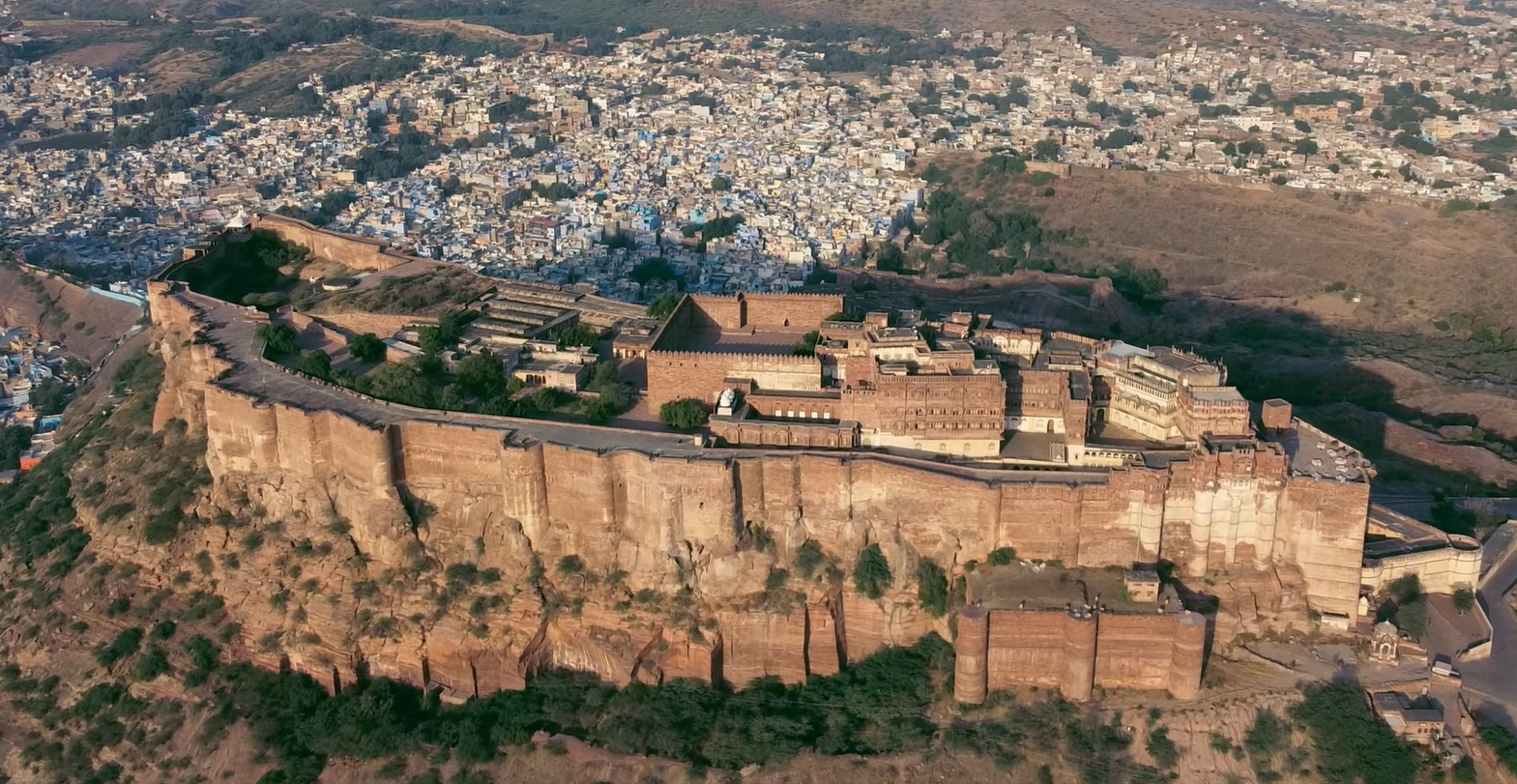
Golden Triangle Tour: Complete 7-Day Itinerary (Delhi, Agra & Jaipur)
Golden Triangle Tour: Complete 7-Day Itinerary (Delhi, Agra & Jaipur)
Planning your first trip to India? The Golden Triangle tour is the perfect introduction to India's rich history, stunning architecture, and vibrant culture. This complete 7-day itinerary covers Delhi, Agra, and Jaipur three iconic cities that form India's most famous tourist circuit.
What is the Golden Triangle Tour: Complete 7-Day Itinerary?
The Golden Triangle Tour: Complete 7-Day Itinerary is one of the most popular tourist route, connecting three magnificent cities: Delhi (the capital), Agra (home of the Taj Mahal), and Jaipur (the Pink City). When plotted on a map, these cities form a triangle, hence the name.
This tour is perfect for first-time visitors because it offers:
- Incredible UNESCO World Heritage Sites
- Rich Mughal and Rajput history
- Stunning palaces, forts, and monuments
- Authentic Indian culture and cuisine
- Safe, well-established tourist infrastructure
Why Choose a 7-Day Golden Triangle Itinerary?
While many travelers opt for a rushed 5-6 day tour, a 7-day Golden Triangle itinerary gives you breathing room to truly experience each city without feeling exhausted. You'll have time to explore hidden gems, enjoy leisurely meals, and soak in the atmosphere.
Complete Golden Triangle Tour: Complete 7-Day Itinerary
Day 1: Arrival in Delhi
Your Golden Triangle journey begins in Delhi, India’s vibrant capital. Upon arrival at Indira Gandhi International Airport, you will be welcomed by your private driver and transferred comfortably to your hotel. The rest of the day is kept easy to help you recover from your flight and adjust to the time zone. You can relax at the hotel, take a gentle walk around the nearby area, enjoy your first Indian meal at a local restaurant, and get a good night’s sleep to overcome jet lag. Staying in Central Delhi or New Delhi is recommended for convenient access to major attractions.
Day 2: Exploring Old Delhi & New Delhi
Start your day early to experience the energy of Old Delhi, one of the most historic and lively parts of the city. Visit Jama Masjid, one of the largest mosques in India, built by Mughal Emperor Shah Jahan, and enjoy panoramic views from its minaret. Continue through Chandni Chowk on a traditional rickshaw ride, passing narrow lanes, spice markets, and centuries-old shops before seeing the grand Red Fort, once the residence of Mughal emperors. Your Old Delhi visit concludes at Raj Ghat, the peaceful memorial of Mahatma Gandhi.
In the afternoon, explore the highlights of New Delhi, including a drive past India Gate, a prominent war memorial. Visit Humayun’s Tomb, a masterpiece of Mughal architecture that inspired the Taj Mahal, followed by Qutub Minar, a UNESCO World Heritage Site and the tallest brick minaret in the world. In the evening, enjoy dinner at a rooftop restaurant with views of beautifully lit monuments.
Day 3: Delhi to Agra (Journey Day)
Begin the morning with a visit to the Lotus Temple, a striking Baháʼí House of Worship known for its peaceful atmosphere and lotus-shaped design. Afterward, depart for Agra via the Yamuna Expressway, a smooth and modern highway that makes the journey comfortable and scenic. Upon arrival in Agra, check into your hotel and take time to relax. Many hotels offer rooftop views of the Taj Mahal. In the evening, visit Mehtab Bagh across the Yamuna River to enjoy a serene sunset view of the Taj Mahal, a perfect introduction before your main visit the next morning.
Day 4: The Taj Mahal & Agra Fort
Wake up early to visit the Taj Mahal at sunrise, the most magical time to experience this world-famous monument. Built by Emperor Shah Jahan in memory of his wife Mumtaz Mahal, the Taj Mahal is a symbol of eternal love and one of the finest examples of Mughal architecture. The soft morning light and fewer crowds make this visit truly unforgettable. After spending time exploring the complex, return to your hotel for breakfast and rest.
Later, visit Agra Fort, a massive red sandstone fortress located just a short distance from the Taj Mahal. This historic fort served as a royal residence and later as the prison where Shah Jahan spent his final years overlooking the Taj. The afternoon is spent exploring its palaces, courtyards, and halls. If you wish and have the energy, you may also visit Fatehpur Sikri in the evening, a beautifully preserved abandoned Mughal city and UNESCO World Heritage Site located near Agra.
Day 5: Agra to Jaipur via Abhaneri
Depart Agra in the morning for Jaipur, breaking the journey at Abhaneri to visit the stunning Chand Baori stepwell. This 1,200-year-old architectural marvel is one of the deepest stepwells in India and is known for its perfectly symmetrical steps, making it a favorite photography spot. After your visit, continue onward to Jaipur. Upon arrival in the Pink City, check into your hotel and relax. In the evening, explore Jaipur’s lively local markets, famous for jewelry, textiles, handicrafts, and traditional Rajasthani items, followed by dinner at a local restaurant or cultural village experience.
Day 6: Jaipur – The Pink City
Begin the day with a visit to Amber Fort, a magnificent hilltop fortress overlooking Maota Lake. Known for its artistic Hindu-Mughal architecture, the fort offers stunning views and beautifully decorated halls, including the famous Mirror Palace. After returning to the city, stop at Jal Mahal, the Water Palace, which appears to float in the middle of Man Sagar Lake.
In the afternoon, explore the City Palace, still home to Jaipur’s royal family and a blend of Rajput and Mughal design. Next, visit Jantar Mantar, a UNESCO-listed astronomical observatory featuring impressive stone instruments. Continue to Hawa Mahal, the iconic Palace of Winds, built for royal women to observe street life unseen. In the evening, visit Albert Hall Museum, especially beautiful at sunset when illuminated, or enjoy an optional Bollywood movie experience at the famous Raj Mandir Cinema.
Day 7: Jaipur to Delhi (Departure)
Enjoy a relaxed morning in Jaipur with time for breakfast, last-minute shopping, or visiting any missed attractions. You may also choose to unwind with a traditional Rajasthani massage. In the afternoon, your private driver will take you back to Delhi via a comfortable highway drive. Depending on your flight schedule, you will either be transferred directly to the airport for departure or stay overnight in Delhi if your flight is the following day.
What's Included in a Golden Triangle Tour: Complete 7-Day Itinerary?
When you book with India Custom Tours, your 7-day Golden Triangle package includes:
- Private air-conditioned car with experienced driver
- English-speaking driver throughout the tour
- All fuel, tolls, parking fees, and driver expenses
- Hotel pickups and drop-offs
- Bottled water in the vehicle
- Flexible itinerary (customize as you wish)
Not Included:
- Accommodation (we can arrange or you can book independently)
- Monument entrance fees
- Meals
- Licensed tour guide fees (optional, highly recommended)
- Personal expenses
Pick Your next Travel Location Now
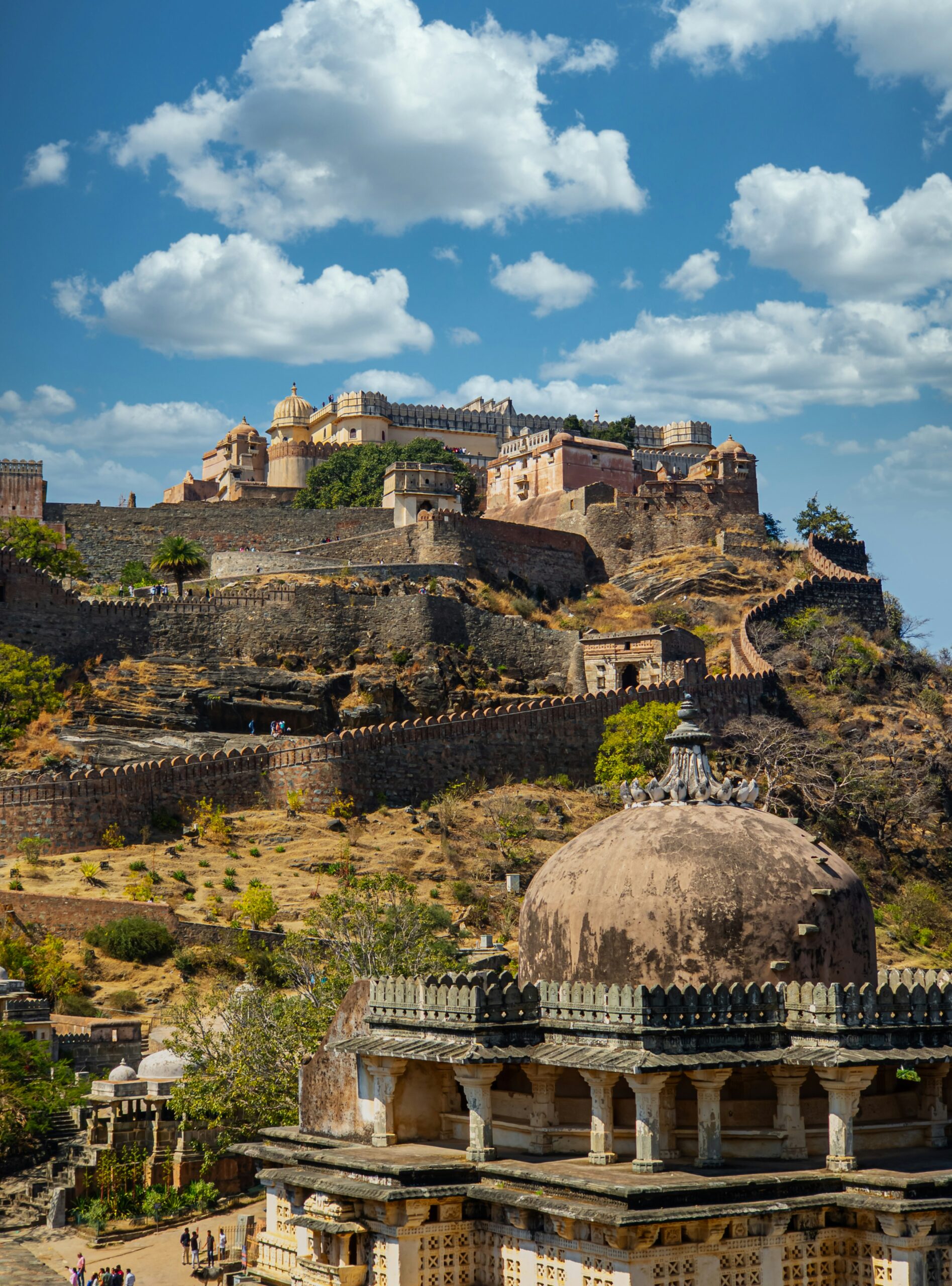
Kumbhalgarh Fort Rajasthan: Guide to Great Wall of India
Kumbhalgarh Fort Rajasthan: Complete Travel Guide to the Great Wall of India
India
While most foreign travelers to Rajasthan gravitate toward Jaipur, Jodhpur, and Udaipur, there lies a hidden gem tucked away in the Aravalli Hills the legendary Kumbhalgarh Fort. Built in the 15th century by the mighty ruler Rana Kumbha, this colossal stronghold is famed for its 36-kilometer-long defensive wall, often called the Great Wall of India and recognized as the second-longest continuous wall in the world after China’s Great Wall. Today, this UNESCO World Heritage Site stands as a testament to Rajput valor and architectural genius, offering travelers breathtaking views, raw history, and a glimpse of authentic Rajasthan culture. For foreign tourists seeking an experience beyond the crowded trails, Kumbhalgarh is truly one of the most rewarding destinations in India.
The History & Legends of Kumbhalgarh
Kumbhalgarh Fort, built in 1458 AD by Rana Kumbha of Mewar, stands as one of Rajasthan’s most fascinating historical landmarks. Often called the “Great Wall of India”, its massive ramparts are wide enough for eight horses to march abreast, showcasing the grandeur of Rajput engineering. The fort is also celebrated as the birthplace of Maharana Pratap, Rajasthan’s legendary warrior king whose courage shaped the history of Mewar. Local folklore adds to its mystique, claiming that Kumbhalgarh was virtually unconquerable, falling only once when enemies poisoned its water supply. Unlike the more crowded Amber Fort in Jaipur, Kumbhalgarh offers an untouched, almost mysterious atmosphere, giving travelers the rare feeling of stepping back into medieval Rajasthan.
Why Visit Kumbhalgarh Fort?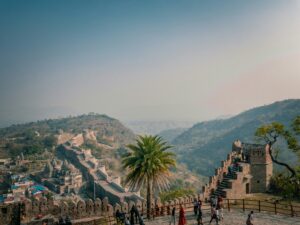
Often described as the Great Wall of India, Kumbhalgarh Fort invites travelers to walk along its massive stone ramparts, which stretch across the Aravalli hills for over 36 kilometers. Within its mighty walls lies a treasure of royal heritage, including the very rooms where the legendary Maharana Pratap was born. The fort is also home to an astonishing 360 temples, a mix of intricately carved Hindu and Jain shrines that reflect the spiritual diversity of Rajasthan. At its highest point stands the enchanting Badal Mahal, or Palace of Clouds, with pastel-colored interiors and sweeping views of the rugged landscape. Surrounding the fort, the Kumbhalgarh Wildlife Sanctuary offers adventurous treks through forests where leopards, wolves, sloth bears, and exotic birds still roam, making the visit a rare blend of history, architecture, and nature.
Architecture & Design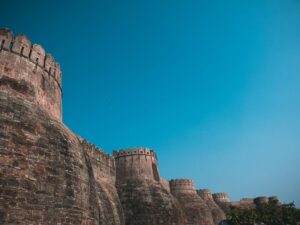
The architecture of Kumbhalgarh Fort is a masterpiece of Rajput defense engineering. Its defensive walls, some 15 feet thick, snake across the hills and stand as an unbroken shield around the citadel. The fort is protected by seven massive gateways, each strategically designed to delay and confuse enemy advances. Using the natural terrain to their advantage, the Rajputs incorporated steep cliffs, hidden passages, and watchtowers, making the fort almost impossible to penetrate. Inside, the complex is adorned with a remarkable collection of Hindu and Jain temples, each decorated with stone carvings unique to the Mewar dynasty, blending spirituality with military ingenuity. For travelers, every turn of the fort offers a mix of raw strength and artistic elegance.
Best Time to Visit Kumbhalgarh
The best time to visit Kumbhalgarh Fort is during the cooler months of October to March, when the weather is pleasant and ideal for sightseeing. The monsoon season from July to September paints the Aravalli hills in lush greenery, creating breathtaking backdrops for photography. However, the summer months from April to June can be extremely hot, making it less comfortable for walking around the massive fort walls. Travel Tip: Plan your visit in the late afternoon explore the fort at leisure, catch the magical sunset from Badal Mahal, and then stay for the famous light and sound show at 6:45 PM, which brings the history of the fort alive under the night sky.
Things to Do at Kumbhalgarh Fort
A trip to Kumbhalgarh Fort is more than just sightseeing it’s an experience that blends history, architecture, and adventure. Start by climbing the ramparts, where panoramic views of the rugged Aravalli hills stretch endlessly across the horizon. Inside the fort, don’t miss Badal Mahal (Palace of Clouds), with its colorful pastel interiors that once hosted the royals of Mewar. As evening falls, stay for the light and sound show, where the fort’s dramatic history is narrated with dazzling visuals against the night sky. For nature lovers, the Kumbhalgarh Wildlife Sanctuary offers treks and jeep safaris, giving you the chance to spot leopards, antelopes, wolves, and exotic birds. To round off your journey, take a short drive to the world-renowned Ranakpur Jain Temples, just 50 km away, where intricate marble carvings will leave you spellbound.
Travel Tips for Foreign Tourists
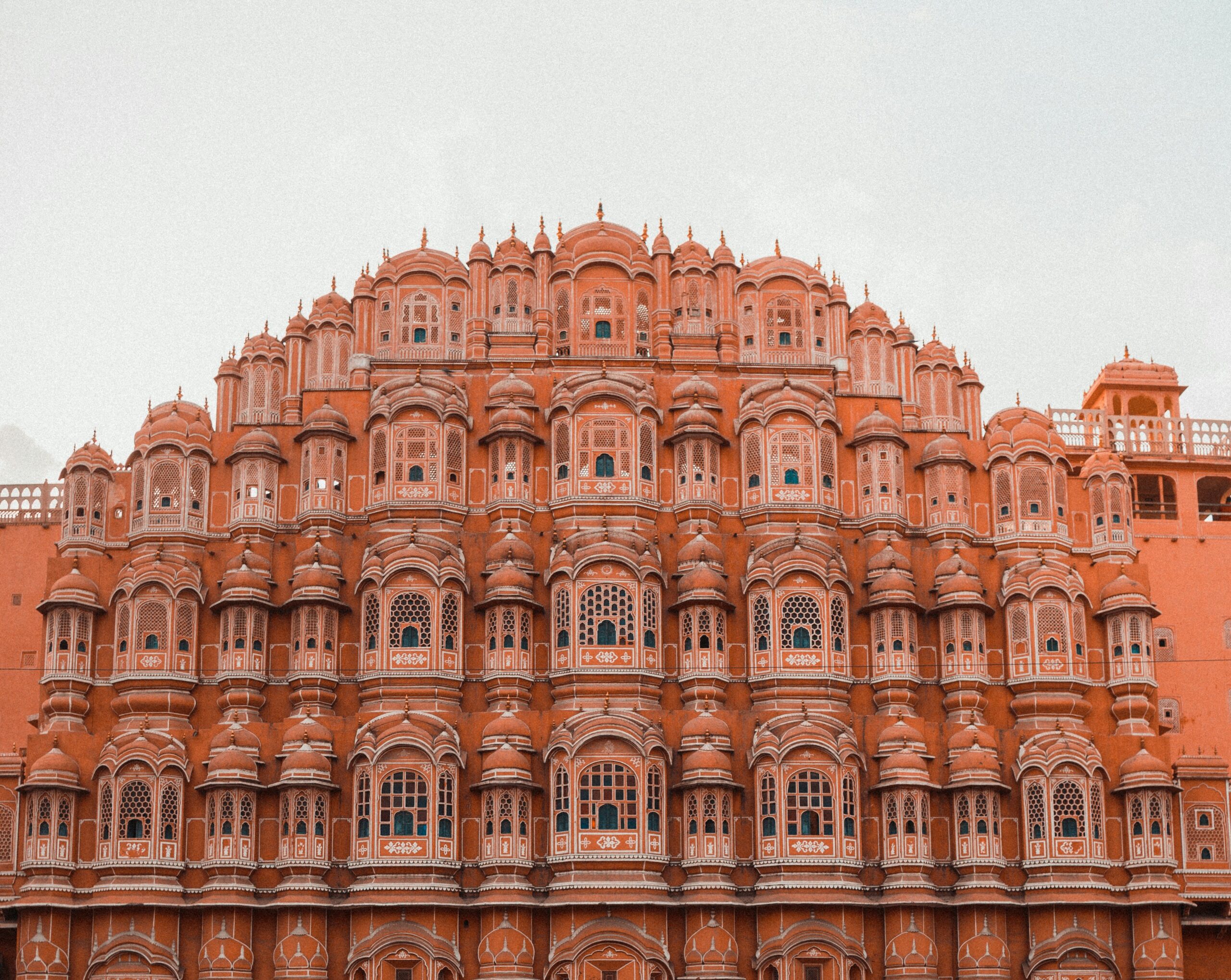
Hawa Mahal: Jaipur’s Legendary Palace of Winds 1 Must-Visit Marvel!
Hawa Mahal: Jaipur’s Iconic Palace of Winds
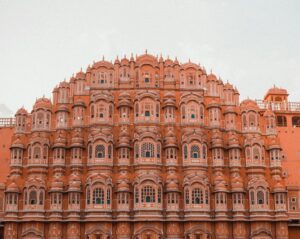
Hawa Mahal, also known as the "Palace of Winds," is one of the most iconic landmarks in Jaipur, Rajasthan. Built in 1799 by Maharaja Sawai Pratap Singh, this architectural marvel is a fine example of Rajput architecture with strong Mughal influences. Its unique honeycomb structure and intricate lattice work make it one of the most visited tourist destinations in India. If you’re planning to visit Jaipur, a trip to Hawa Mahal is an absolute must! In this blog, we will cover its history, architecture, best time to visit, ticket details, and photography tips to help you explore this breathtaking monument.
History of Hawa Mahal
Hawa Mahal was commissioned by Maharaja Sawai Pratap Singh, the grandson of Maharaja Sawai Jai Singh II, the founder of Jaipur. Inspired by the Khetri Mahal in Rajasthan, this five-story monument was designed by the renowned architect Lal Chand Ustad. The palace was constructed to provide royal women a way to observe street festivities and daily life without being seen, in line with the purdah system followed in the royal family.
The "Palace of Winds" gets its name from the 953 small jharokhas (windows), which allow cool air to pass through, creating a natural air-conditioning effect. This made the palace an ideal retreat during the hot summers of Rajasthan.
Architectural Brilliance: A Fusion of Rajput and Mughal Styles
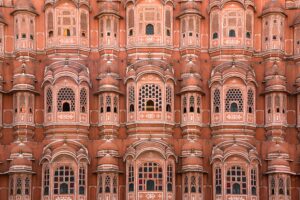
Hawa Mahal is a masterpiece of Rajput architecture, combined with Mughal influences. Some of its key architectural features include:
- Five-Storied Pyramid Structure: The monument stands 15 meters tall with a design resembling Lord Krishna’s crown.
- Intricate Latticework (Jali Work): The tiny windows and balconies are adorned with detailed jharokhas that allow free air circulation, keeping the palace cool.
- Pink Sandstone Construction: Like most of Jaipur's architecture, Hawa Mahal is made of red and pink sandstone, earning Jaipur the title of the "Pink City."
- No Foundation: Surprisingly, the Palace of Winds stands without a strong foundation, leaning at a slight angle but remaining structurally intact for over 200 years.
- No Direct Entry from the Front: Unlike other forts and palaces, Hawa Mahal’s entrance is from the rear, leading to a courtyard connected to the City Palace and Jantar Mantar.

Best Time to Visit Hawa Mahal
The best time to visit Hawa Mahal is:
- October to March: The weather is pleasant, making it comfortable for sightseeing.
- Early Morning (Sunrise Time): Witness the mesmerizing glow of the Pink City as the sun rises behind Hawa Mahal, creating a magical golden hue.
- Evening (Golden Hour): Capture breathtaking photos when the monument is beautifully lit up.
How to Reach Hawa Mahal
Hawa Mahal is conveniently located in the heart of Jaipur and is easily accessible by various transport modes:
- By Air: The nearest airport is Jaipur International Airport (12 km away).
- By Train: Jaipur Junction Railway Station is 5 km away.
- By Road: You can take an auto-rickshaw, taxi, or local bus from any part of Jaipur, Rajasthan.
Hawa Mahal Ticket Price & Timings
- Timings: 9:00 AM to 5:00 PM (Daily)
- Entry Fee:
- Indian Tourists: ₹50
- Foreign Tourists: ₹200
- Composite Ticket (Includes City Palace & Jantar Mantar): ₹300 (Indians), ₹1000 (Foreigners)
- Photography Fee: No extra charge for photography, making it a great spot for Instagram-worthy pictures.
Interesting Facts About Hawa Mahal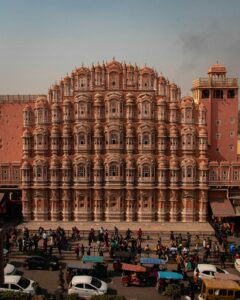
- It has 953 windows (jharokhas), allowing wind to pass freely, keeping it naturally cool.
- The Palace of Winds is not a palace but an extension of the City Palace.
- Unlike most forts, Hawa Mahal has no direct entrance from the front.
- It was designed in the shape of Lord Krishna’s crown.
Top Things to Do at Hawa Mahal
✅ Explore the Interiors: Walk through the arched passages and admire the artistic Rajput architecture. ✅ Capture Stunning Photos: Visit early morning or late evening for the best photography opportunities. ✅ Visit the Nearby Attractions:
- City Palace Jaipur (1 km away)
- Jantar Mantar (0.5 km away)
- Nahargarh Fort (5 km away) ✅ Shopping in Johari Bazaar: Just outside Hawa Mahal, shop for traditional Jaipuri jewelry, textiles, and souvenirs. ✅ Enjoy Local Cuisine: Try Rajasthani delicacies at the famous Wind View Café, offering an incredible view of Hawa Mahal.
Hawa Mahal is not just a historical monument but a symbol of Jaipur’s royal heritage. Whether you're an architecture enthusiast, history buff, photographer, or traveler, visiting Hawa Mahal will be a memorable experience.
Plan your next trip to Jaipur, Rajasthan, and witness the grandeur of the Palace of Winds!
📍 Have you visited Hawa Mahal? Share your experience in the comments below!
FAQs About Hawa Mahal
Q1: Why is Hawa Mahal famous?
A: Hawa Mahal is famous for its 953 windows, Rajput-Mughal architecture, and unique honeycomb structure. It is one of Jaipur’s most popular tourist destinations.Q2: Can you go inside Hawa Mahal?
A: Yes, visitors can explore the interiors and admire the stunning Rajput architecture.Q3: Which is the best time to visit Hawa Mahal?
A: Early morning (sunrise) or evening (golden hour) is the best time for photography and sightseeing.Q4: Is Hawa Mahal a UNESCO World Heritage Site?
A: No, but it is part of Jaipur’s rich heritage and attracts millions of tourists every year.Q5: How long does it take to explore Hawa Mahal?
A: Typically, 30-45 minutes is enough to explore Hawa Mahal, but you can spend more time enjoying the view and nearby attractions.
🔥 Plan Your Dream Rajasthan Tour! Looking for a hassle-free Jaipur, Rajasthan tour? Contact India Custom Tours for personalized itineraries and expert travel assistance!
🌍 Visit us: India Custom Tours
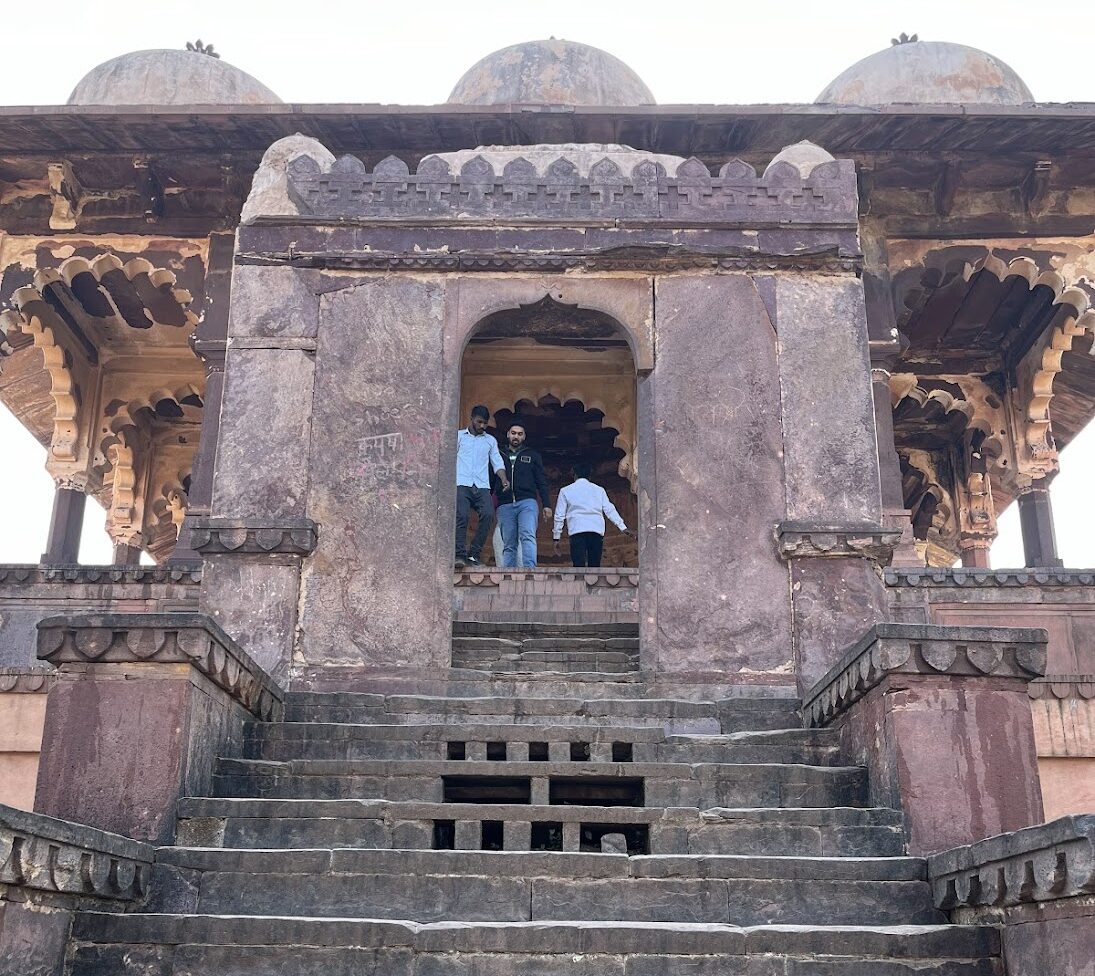
Majestic Ranthambore Fort - Must Visit UNESCO World Heritage ...
Majestic Ranthambore Fort:
Welcome to your definitive Ranthambore Fort travel guide! If you’re passionate about exploring history, architecture, and the vibrant culture of Rajasthan, then this blog is your perfect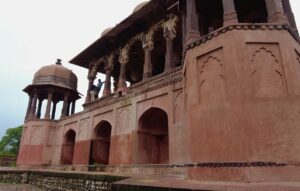 companion. In this post, we will delve into the captivating story of Ranthambore Fort, share must-know visitor tips, and highlight nearby attractions to help you plan the ideal trip. Let’s embark on this historical adventure together!
The Rich History of Ranthambore Fort
Ranthambore Fort has a storied past dating back to the 10th century. Its walls have witnessed numerous battles and royal events that have shaped regional history. Here’s what makes its history so compelling:
- Medieval Origins: Initially constructed as a strategic military outpost, the fort has evolved through the centuries.
- Royal Influence: Under the reign of regional rulers and later the Delhi Sultanate, Ranthambore Fort became a stronghold that safeguarded the region.
- Legendary Battles: Tales of heroic sieges and daring escapes make the fort a living museum of medieval valor.
This historical significance makes Ranthambore Fort not only a marvel of architecture but also a symbol of Rajasthan’s rich cultural heritage.
Architectural Wonders and Key Attractions
A visit to Ranthambore Fort is like stepping back in time. The fort’s design is both imposing and intricate, with features that reflect its strategic military importance. Explore these 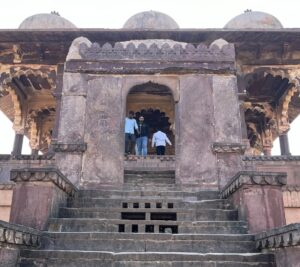 highlights:
- Impressive Fortification Walls: The robust, high walls of Ranthambore Fort were built to protect the stronghold from invaders. These ancient ramparts offer stunning views and excellent photo opportunities.
- Grand Gateways and Bastion: Every gateway of Ranthambore Fort tells a story with its detailed carvings and inscriptions. The bastions stand as silent sentinels, guarding the secrets of centuries past.
- Sacred Temples and Shrines: Within the fort complex, several ancient temples reveal the spiritual side of the region. The temples at Ranthambore Fort are adorned with intricate stone work and remain active centers of worship.
- Panoramic Vistas: Perched atop a hill, Ranthambore Fort offers panoramic views of the surrounding landscape and the nearby Ranthambore National Park, making it a must-visit spot for nature and history enthusiasts alike.
Essential Visitor Tips for Exploring Ranthambore Fort
To make your journey to Ranthambore Fort as smooth and enjoyable as possible, keep these practical tips in mind:
- Best Time to Visit: The optimal period is between October and March when the weather is cool and pleasant.
- Wear Comfortable Shoes: The fort’s uneven terrain requires sturdy footwear for a comfortable exploration.
- Stay Hydrated: Carry water, sunscreen, and a hat. The open courtyards and high walls can expose you to the sun.
- Photography Tips: Early morning or late afternoon light enhances the fort’s majestic features, perfect for capturing memories.
- Allocate Sufficient Time: Plan for a half-day visit (3–4 hours) to thoroughly explore Ranthambore Fort and its surroundings.
Exploring Nearby Attractions
While Ranthambore Fort is a highlight on its own, the area around it offers several attractions that complement your visit:
Ranthambore National Park
- Wildlife Safari: Experience thrilling encounters with Bengal tigers and other wildlife in their natural habitat.
- Bird Watching: The park is a paradise for bird enthusiasts with its diverse species.
Local Cultural Experiences
- Rajasthan Villages: Immerse yourself in local traditions, crafts, and culinary delights in nearby villages.
- Local Markets: Shop for unique souvenirs, textiles, and handicrafts that showcase the region’s rich heritage.
These attractions add depth to your trip, ensuring you get a well-rounded experience of Rajasthan’s culture and natural beauty.
Frequently Asked Questions (FAQs)
Q1: Why is Ranthambore Fort significant?
A1: Ranthambore Fort is a historical landmark dating back to the 10th century. It has been a strategic military stronghold and a witness to several historic battles, making it a key site for understanding Rajasthan’s medieval past.
Q2: How long should I spend at Ranthambore Fort?
A2: A half-day visit (approximately 3–4 hours) is ideal to explore Ranthambore Fort. For those who wish to delve deeper into its history and visit nearby attractions, a longer stay may be preferable.
Q3: Is Ranthambore Fort family-friendly?
A3: While Ranthambore Fort is accessible to visitors of all ages, the rugged terrain and steep climbs may require extra caution, especially for young children and elderly visitors. Hiring a guide can help ensure a comfortable visit.
Q4: Are guided tours available at Ranthambore Fort?
A4: Yes, local guides are available at Ranthambore Fort. Their expert knowledge can greatly enhance your understanding and enjoyment of the site.
[ CLICK HERE ] - What Are You Waiting for ?

Step Into Top Bazaar in India: Authentic Shopping in India
Walking Bazaar in India: Experience Authentic Shopping
India, a land of vibrant colors, rich traditions, and diverse cultures, is also home to some of the world’s most fascinating bazaars. These markets are more than just shopping destinations; they are a sensory journey through history, art, and community. Whether you're looking for exquisite handicrafts, authentic street food, or vibrant fabrics, Indian bazaars offer an experience like no other. Here’s a guide to the top markets that guarantee an authentic shopping experience for international travelers.
1. Chandni Chowk, Delhi
The Heart of Old Delhi
One of India’s oldest and busiest markets, Chandni Chowk bazaar in india is a maze of narrow lanes bursting with shops, eateries, and history. Established in the 17th century by Emperor Shah Jahan, this market offers everything from textiles and jewelry to spices and street food. Remember bargaining is very common in India! Start with half the quoted price and work your way up.
Famous for:
- Dariba Kalan: Known for silver jewelry and traditional ornaments.
- Khari Baoli: Asia’s largest wholesale spice market, where you can find exotic spices, nuts, and dried fruits.
- Paranthe Wali Gali: A food lover’s paradise serving a variety of stuffed parathas (Indian flatbreads).
2. Johari Bazaar, Jaipur
The Gemstone and Jewelry Paradise
Located in the Pink City of Jaipur, Johari Bazaar in India is renowned for its spectacular collection of gemstones, kundan jewelry, and vibrant textiles. It’s a must-visit for anyone seeking authentic Rajasthani culture and craftsmanship. remember to visit in the early morning to avoid crowds and get the best deals.
Famous for:
- Gemstone Shops: Explore exquisite handmade jewelry featuring rubies, emeralds, and sapphires.
- Rajasthani Textiles: Famous for bandhani (tie-and-dye) sarees and lehengas.
- Traditional Footwear: Pick up colorful juttis (handcrafted shoes).
3. Colaba Causeway, Mumbai
A Shopper’s Paradise by the Arabian Sea
A blend of old-world charm and modern-day vibrancy, Colaba Causeway bazaar in in indian is perfect for budget shoppers and art lovers. From quirky souvenirs to fashionable apparel, this market has it all. Always check for authenticity when buying antiques or ask us to check it for you.
Famous for:
- Handicrafts and Trinkets: Beautifully crafted Indian souvenirs like brass figurines, bags, and antiques.
- Street Fashion: Affordable accessories, clothes, and jewelry.
- Leopold Café: A historic eatery that’s been a favorite among travelers.
4. New Market, Kolkata
Colonial Charm and Endless Choices
Built in 1874, New Market (formerly Hogg Market) is Kolkata’s iconic shopping hub. It is a bustling paradise for those looking to shop for everything under one roof, Market is huge and maze-like; stay close to us & take your time to explore it with us.
Famous for:
- Handloom Sarees: Known for authentic Bengali sarees like tant and baluchari.
- Leather Goods: High-quality bags, belts, and wallets at reasonable prices.
- Street Food: Savor local delicacies like kathi rolls and jhal muri.
5. Laad Bazaar, Hyderabad
The Land of Bangles and Bridal Wear
Located near the Charminar, Laad Bazaar in india is a shopper’s delight specializing in lacquer bangles, bridal wear, and traditional pearls. This centuries-old market is a treasure trove for anyone interested in Hyderabadi culture, even if you’re not shopping, explore the market’s charm is worth exploring at night when it’s beautifully lit.
Famous for:
- Lacquer Bangles: Handmade, colorful bangles adorned with stones and glitter.
- Hyderabadi Pearls: Authentic pearl jewelry that makes for a perfect souvenir.
- Nizam-Inspired Attire: Intricately designed sarees and sherwanis.
6. Anjuna Flea Market, Goa
The Hippie Haven
Held every Wednesday, Anjuna Flea bazaar in india is the ultimate shopping destination for bohemian fashion and souvenirs. A legacy of Goa’s 1960s hippie culture, this market is set against a beachside backdrop and attracts travelers from all over the world. Going early will help you avoide croud & grab the best items before the anyone else.
Famous for:
- Boho Fashion: Handcrafted clothes, tribal jewelry, and accessories.
- Leather Goods: Bags, sandals, and belts at reasonable prices.
- Live Music and Food Stalls: Enjoy live performances and local Goan cuisine.
7. Meena Bazaar, Agra
The Mughal Shopping Experience
Located close to the Taj Mahal, Meena Bazaar in india has been a prominent market since the Mughal era. It is the perfect place to shop for souvenirs, textiles, and handicrafts. we can combine your Taj Mahal visit with a stop at the famous Meena Bazaar for an unforgettable experience of this very old market.

Famous for:
- Marble Artifacts: Intricately carved marble pieces inspired by the Taj Mahal.
- Pashmina Shawls: Authentic, handwoven Kashmiri shawls.
- Leather Goods: Fine leather footwear, bags, and wallets.
8. MG Road, Bengaluru
Where Tradition Meets Modernity
One of the busiest shopping streets in Bengaluru, MG Road bazaar in india is a perfect mix of local handicrafts and modern fashion. This market is ideal for travelers looking for traditional silks, souvenirs, and trendy boutiques. Don’t miss out on the local silk stores for high-quality authentic fabrics.
Famous for:
- Sandalwood Products: Authentic soaps, oils, and handicrafts.
- Silk Sarees: Famous for pure Mysore silk sarees with golden zari work.
- Café Culture: A great place to relax at cozy cafes after shopping.
Tips for Shopping in Indian Bazaars
- Bargain Smartly: Bargaining is common in most bazaars. Start with a lower price but keep it respectful.
- Carry Cash: Many small vendors may not accept credit or digital payments.
- Dress Comfortably: Wear comfortable clothing and footwear as we’ll be walking a lot.
- Stay Hydrated: Shopping in the bustling heat can be exhausting, so carry water with you.
- Be Aware of Your Belongings: Crowded markets can attract pickpockets, so keep your belongings secure.
- Travel with Us for the Best Experience: Join us for a guided tour, ensuring you don’t miss any hidden gems and get the most authentic experience without the hassle.
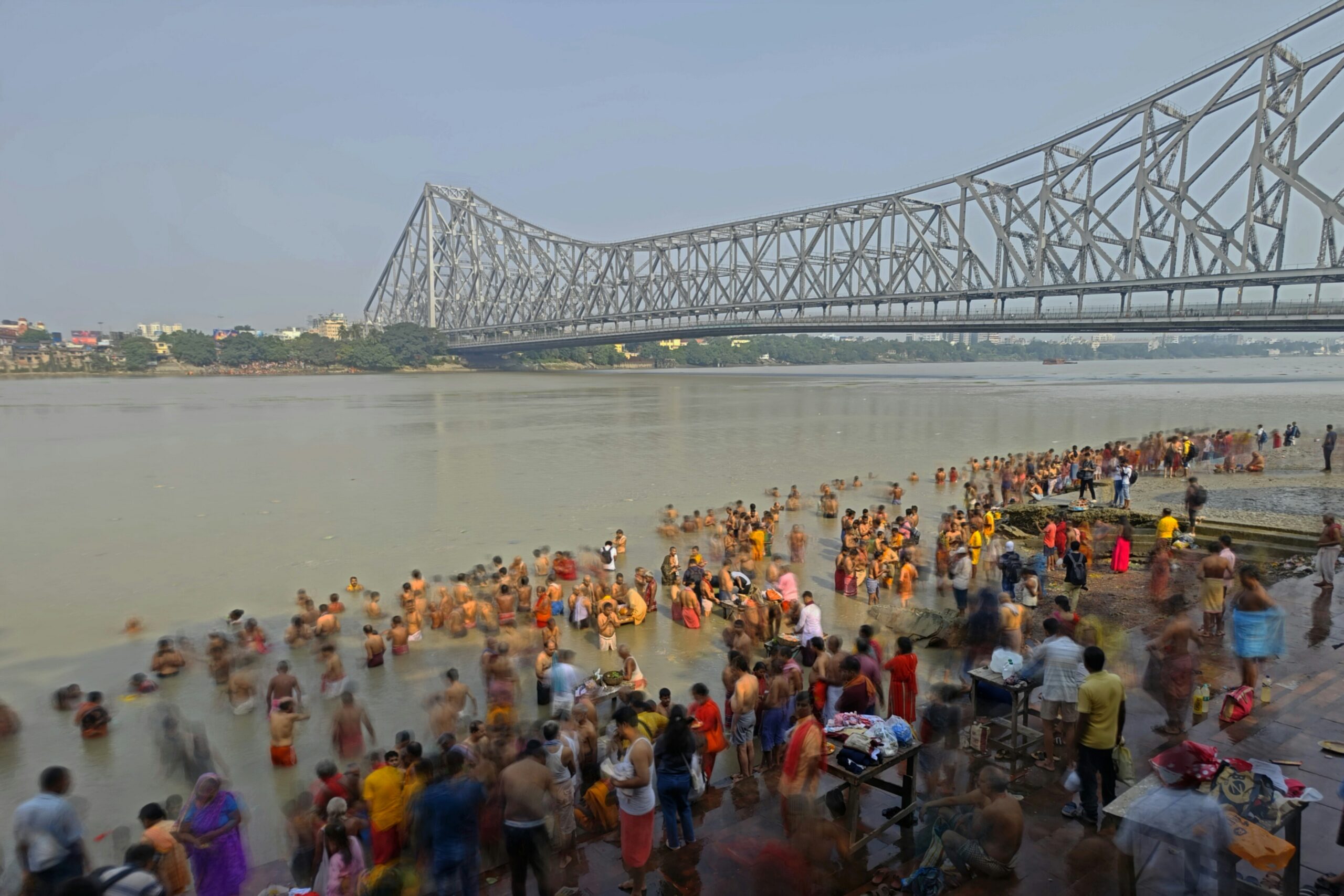
Majestic Prayagraj Kumbh Mela 2025: The 12-Year Wait is Over
History and Spirituality of Prayagraj Kumbh Mela 2025
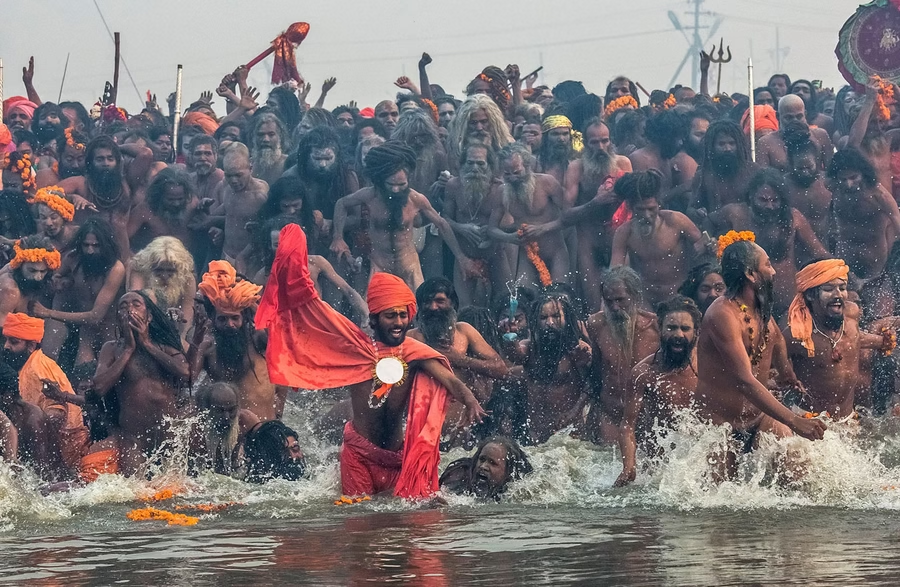 The sacred city of Prayagraj invites you to experience one of the most awe-inspiring spiritual gatherings in the world the Prayagraj Kumbh Mela 2025. This grand event will take place from January 13 to February 26, 2025, offering a once-in-a-lifetime opportunity to witness the perfect blend of spirituality, cultural festivities, and timeless traditions. Every 12 years, millions of people from across India and the world travel to Prayagraj to be part of this sacred gathering.
 The
The Why People Wait 12 Years for This Grand Event
Sacred Bathing Rituals
Immerse yourself in the divine confluence of the Ganga, Yamuna, and Saraswati rivers at the holy Triveni Sangam. Participate in sacred baths on key dates to cleanse sins and attain spiritual liberation (moksha).
- Key Bathing Days:
- Paush Purnima: January 13
- Makar Sankranti: January 14
- Mauni Amavasya: January 29 (most sacred day)
- Basant Panchami: February 3
- Magh Purnima: February 12
- Maha Shivaratri: February 26 (final royal bath).
Cultural and Spiritual Extravaganza
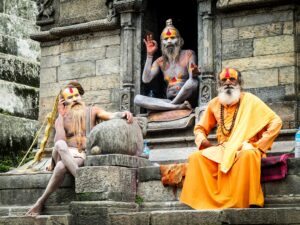
- Marvel at the grand Akharas’ processions led by the revered Naga Sadhus.
- Engage in enlightening discourses by saints and scholars, and experience captivating classical music and dance performances.
- Explore vibrant stalls showcasing traditional crafts, religious artifacts, and delicious local cuisine.
Unique Accommodation Options
Stay in specially set-up camps ranging from basic shared accommodations to luxurious tents. Enjoy the communal spirit with shared meals, yoga workshops, and guided spiritual practices.We can help you book a perfect stay that aligns with your needs, ensuring your accommodation enhances your spiritual journey of Prayagraj Kumbh Mela 2025.
How to Get to Prayagraj Kumbh Mela 2025
- By Air: Fly to Bamrauli Airport in Prayagraj or nearby cities like Varanasi and Lucknow. With our private car services, we ensure a smooth transition from the airport to your accommodation.
- By Rail: Reach Prayagraj Junction, a major hub connecting to cities across India. Our team can assist with train bookings and provide reliable transfers from the station to your stay.
- By Road: Enjoy a comfortable journey via well-connected highways. Our private car services offer you a convenient and personalized way to travel, letting you focus on the experience while we handle the logistics.
Why Prayagraj Kumbh Mela 2025 is Unmissable

- Witness one of the largest gatherings in the world, filled with devotion, vibrancy, and human connection.
- Participate in the sacred ritual of bathing in the Ganga, believed to wash away sins.
- once-in-a-lifetime event that has been celebrated for centuries.
- See Naga sadhus, mystics who live in seclusion and follow unique spiritual practices.
Pro Tip
Plan your trip early to secure your stay and make the most of your visit. Pair this spiritual journey with nearby destinations like Agra or Varanasi for a holistic cultural adventure. We invite you to be part of this unparalleled event. Let us assist you in planning your journey to the Prayagraj Kumbh Mela 2025, ensuring a seamless and enriching experience.
Click here to explore our tailored tour packages and book your spiritual journey today. Don’t miss out on this divine opportunity!