



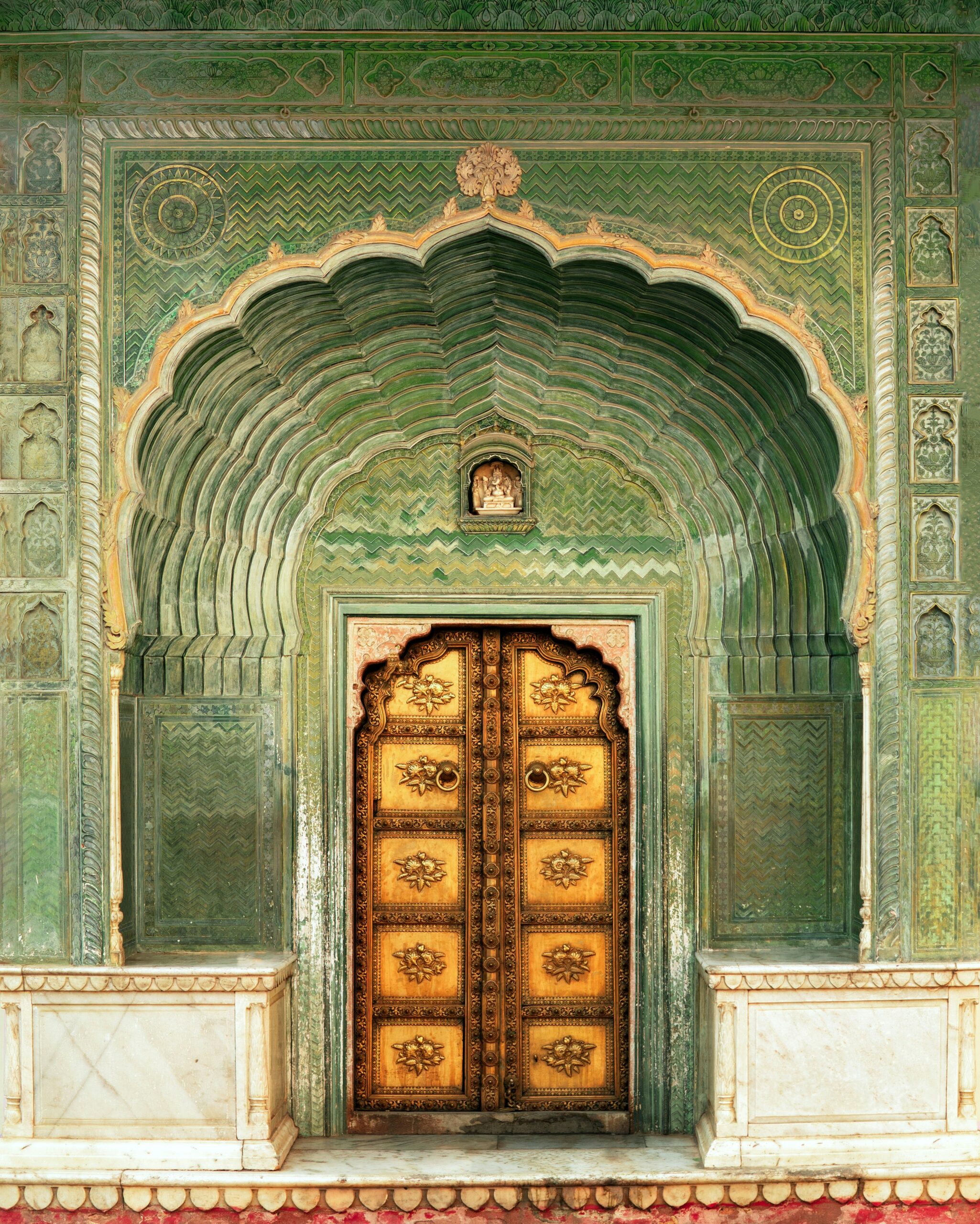
City Palace Jaipur : Where Royalty Still Whispers Through Walls
Where Royalty Still Whispers Through Walls
Imagine walking through towering gateways where Maharajas once rode on elephants, past walls that echo tales of royal processions, power, and beauty. That’s City Palace Jaipur for you – not just a destination, but a living testament to Rajasthan’s regal heritage. Whether you’re a history lover, an architecture enthusiast, or an Instagram traveler searching for the next jaw-dropping shot, this iconic palace will leave you breathless.
A Timeless Marvel: The History of City Palace Jaipur
The history of City Palace Jaipur dates back to 1727, when Maharaja Sawai Jai Singh II, the founder of Jaipur, envisioned a city as grand as his legacy. Nestled in the heart of the Pink City, this palace was more than a residence—it was the administrative and ceremonial hub of the kingdom.
Built with a masterful blend of Rajput, Mughal, and European architectural styles, the palace reflects a ruler who was as much a warrior as a visionary. The complex continued to evolve under subsequent rulers, making each section a layered chapter of Jaipur’s royal past.
Did You Know? Maharaja Man Singh II, fondly known as the Polo King, was one of the last royals to reside in the Chandra Mahal. He won several international polo tournaments and brought global recognition to the sport in India.
.jpg)
Things to See in City Palace Jaipur – Royal Highlights Not to Miss
City Palace is a sprawling complex, but here are the absolute things to see in City Palace Jaipur that you shouldn't miss:
🕌 Mubarak Mahal (Welcome Palace)
This 19th-century structure greets you at the entrance. Once used to receive foreign dignitaries, today it houses the textile museum, showcasing royal garments, including a 12 kg robe worn by Maharaja Madho Singh I!
Chandra Mahal – The Royal Residence
Still partially inhabited by the descendants of Jaipur’s royal family, this seven-storied palace is the jewel of the complex. The second and third floors, accessible via guided tour, display luxurious royal artifacts, mirrored ceilings, and painted frescoes.
Insider Tip: Book the Royal Grandeur Tour to access private areas with a palace guide.
Peacock Gate – The Instagram Darling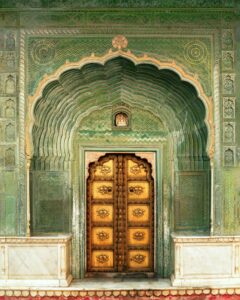
Located inside Pritam Niwas Chowk, the Peacock Gate represents autumn and is adorned with rich blue-green motifs and peacock imagery. This is arguably one of the most Instagrammable spots in Jaipur.

Diwan-i-Khas – The Hall of Private Audience
This elegant hall, with its marble floors and crystal chandeliers, once hosted private court sessions and royal ceremonies. Its claim to fame? The world’s largest silver urns (Gangajalis), made to carry Ganges water during Maharaja Madho Singh II’s trip to England.
Fun Fact: These urns are recorded in the Guinness Book of World Records!
Photography Tips & Instagram Spots at City Palace Jaipur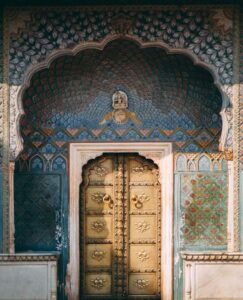
For the perfect Instagram shot:
Early morning offers the best light and fewer crowds.
Use the vibrant Peacock Gate, Chandra Mahal façade, and royal doorways as dreamy backdrops.
Dress in bright ethnic wear : it pops beautifully against the palace’s pastel walls.
Best Time to Visit City Palace Jaipur
The best time to visit City Palace Jaipur is during October to March, when the weather is cool and perfect for exploration. Mornings are ideal to avoid crowds and heat.
Bonus: Visit during festivals like Teej or Gangaur for vibrant royal processions!
Why This Experience is Unforgettable
Visiting the Jaipur royal palace is like walking through the diary of a kingdom. From marble halls echoing with royal footsteps to courtyards where artists and warriors once gathered, this place stirs emotions beyond words.
You’re not just exploring architecture you’re connecting with history, legacy, and artistry that shaped Jaipur’s soul.
FAQs About Visiting City Palace Jaipur
Is City Palace Jaipur worth visiting?
Absolutely! It’s one of the top historical attractions in Jaipur, offering rich architecture, cultural insights, and royal stories.
How long should I spend at City Palace?
At least 2–3 hours to explore the main areas, and longer if you opt for the Royal Grandeur Tour.
Are cameras allowed inside City Palace Jaipur?
Yes, but DSLR photography may require an additional fee.
Explore More of Jaipur with Us
City Palace is just the beginning! Combine it with other heritage jewels like Hawa Mahal, Jantar Mantar, and Amber Fort for a complete royal experience.
[Book our Jaipur City Tour Package]. Let us handle everything while you explore like royalty.
Ready to Walk with the Royals? Let’s Plan Your Jaipur Trip!
Whether you're a first-time visitor or a culture aficionado, our local experts craft personalized Jaipur tours just for you. Skip the tourist traps, get real stories, and see Jaipur like a royal guest.
Contact us now for custom packages, group tours, and guided experiences. Your royal Rajasthan journey awaits.
How to Visit Jantar Mantar Jaipur – Timings, Tips & Tours
Jantar Mantar Jaipur: Where Stone Meets the Stars
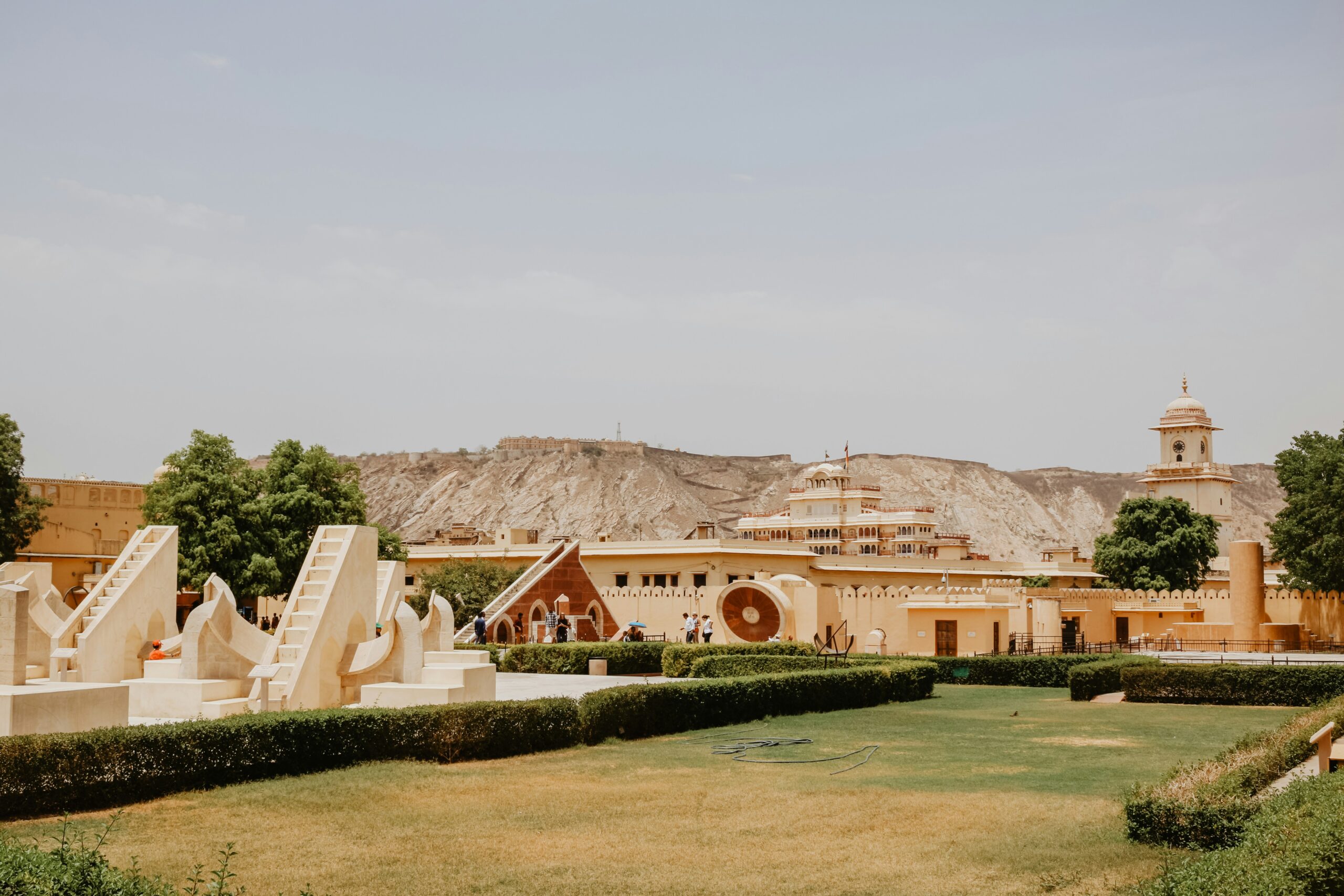
In the heart of Jaipur’s bustling old city, just beside the City Palace, stands a place that looks like a playground of massive stone sculptures. But don’t be fooled by appearances this is the Jantar Mantar, one of the most advanced and beautiful astronomical observatories ever built. It’s a UNESCO World Heritage Site and a silent tribute to India’s scientific and cultural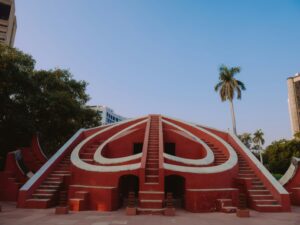 brilliance.
Built in the 18th century, Jantar Mantar is not just a collection of instruments it’s an experience. Each structure was designed to read the skies, track stars, measure time, and even predict eclipses, centuries before modern tools existed. If you’re planning a visit to Jaipur, this is not just another stop; it’s where math, astronomy, and architecture come together to create pure magic.
A Vision Beyond His Time: Jai Singh II
Jantar Mantar was the brainchild of Maharaja Sawai Jai Singh II, the founder of Jaipur and a man with a passion for science. At a time when rulers were more focused on conquests and
palaces, Jai Singh was studying astronomy in Arabic, Persian, Sanskrit, and Greek
texts. He believed that the small brass instruments of the time were too inaccurate and that larger, stone-based tools would offer more precision.
Between 1724 and 1734, he built five observatories across India—in Delhi, Ujjain, Mathura, Varanasi, and Jaipur. The one in Jaipur is the largest and most complete of them all. With 19 massive instruments, each crafted for a specific astronomical purpose, it remains a marvel of scientific engineering even today.
Instruments That Still Measure the Cosmos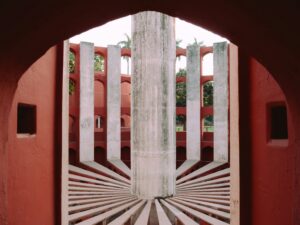
Walking into Jantar Mantar feels like stepping inside a grand, open-air laboratory. The instruments are not just symbolic they still work, and some are precise enough to amaze even today’s astronomers.
The Samrat Yantra, the world’s largest sundial, towers at 27 meters. It’s shaped like a huge triangle, casting a sharp shadow that moves at a rate of 1 millimeter per second. It can tell the local time to an accuracy of about two seconds. Watching the shadow shift in real-time is strangely hypnotic.
Then there’s the Jai Prakash Yantra, two large sunken bowls with marble markings and crosswires. These were designed to project the sky onto the earth’s surface, allowing the observer to calculate the exact position of celestial bodies. The sheer design of this instrument—one concave, one convex—is a blend of logic and art.
The Rama Yantra is another gem—two large cylindrical structures open to the sky. Step inside, and you can literally track the altitude and direction of stars. Other instruments like the Narivalaya, Chakra Yantra, and Digamsa calculate everything from solar declination to equinox timings.
What makes these instruments exceptional isn’t just their accuracy—it’s that they are entirely analog, powered only by sunlight, shadow, angles, and the brilliance of geometry.
Where Science Becomes Art

Jantar Mantar isn’t a dry scientific site it’s deeply aesthetic. Each instrument is made of stone and marble, shaped with beautiful curves and sharp angles. The entire complex is aligned with astronomical north, designed according to ancient principles of Vedic and Islamic astronomy, and built with mathematical precision.
The symmetry and elegance of these instruments draw photographers, architecture lovers, and historians from across the world. The site looks stunning against Jaipur’s blue sky, especially in the golden morning and evening light.
For centuries, astronomy in India was closely tied to astrology. Jantar Mantar was also used to calculate auspicious dates for festivals, farming, ceremonies, and even royal battles. It wasn't just about science it was about how science met everyday life.
The Legacy of Jai Singh Lives On
Maharaja Jai Singh didn’t stop at building monuments. He created astronomical tables more accurate than most European ones at the time and corresponded with scholars from France, Persia, and Portugal. His work reflects a time when India wasn’t just participating in science it was leading.
Although modern telescopes and digital tools have long replaced these instruments for formal astronomy, Jantar Mantar remains relevant. It's used for education, demonstrations, and inspiring the next generation of thinkers. More importantly, it reminds us that progress can be carved in stone literally.
Your Visit to Jantar Mantar: Practical Info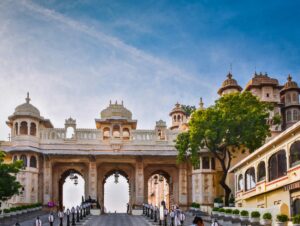
A visit to Jantar Mantar is more than a sightseeing stop it’s a walk through time, science, and imagination. It’s located in central Jaipur, within easy reach of other iconic landmarks like City Palace and Hawa Mahal. Many travelers combine these three into a single half-day tour.
You’ll find certified guides and audio tours available, offering deep insights into how each instrument works. Most guides explain the site in a simple and engaging way even if you don’t know much about astronomy, you’ll still find yourself amazed.
Jantar Mantar is open daily from 9:00 AM to 4:30 PM. Ticket prices are modest:
If you prefer a smooth experience, many Jaipur city tours include Jantar Mantar in our package, often along with private drivers, guides, and visits to other top spots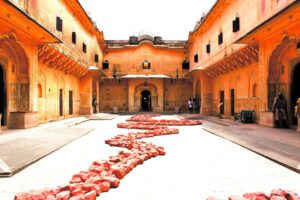 .
.
Why This Place Should Be on Your List
Of all the wonders in Rajasthan, Jantar Mantar Jaipur stands apart. It’s not a fort, palace, or temple it’s a bridge between heaven and earth. It proves that India’s heritage is not just about kings and battles, but also about ideas, innovation, and discovery.
Whether you're a history lover, photographer, student, or simply curious traveler, Jantar Mantar offers a deep, thoughtful experience. You won't just see shadows move you'll see the ambition of a king, the brilliance of a civilization, and the eternal dance of the cosmos carved in stone.
Want to Add Jantar Mantar to Your Jaipur Tour?
We specialize in custom city tours with private cars and expert guides, covering Jantar Mantar and other gems of Jaipur. Reach out to plan a stress-free, immersive Jaipur experience with us.
Call us at: +91 9818975829
Explore our tours: india-custom-tours.com
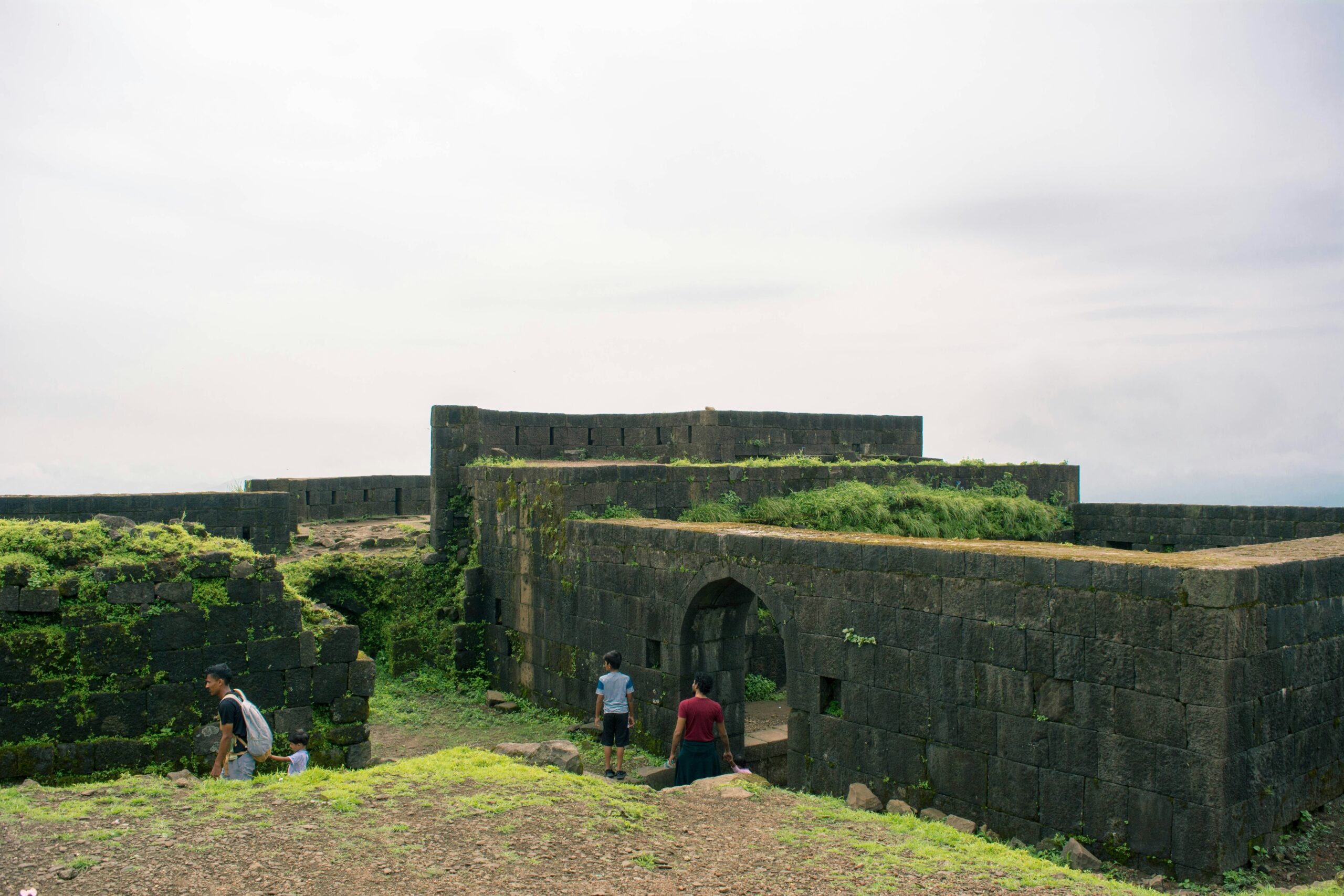
Jaigarh Fort – majestic Jaipur’s Iron Shield of the Rajputs
Jaigarh Fort Jaipur : Rajasthan’s Most Powerful Fortress
Introduction to Jaigarh Fort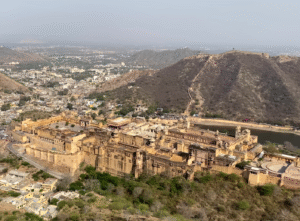
High above the majestic Amber Fort and the serene Maota Lake stands Jaigarh Fort, one of Rajasthan’s most powerful and strategically important forts. Known as the “Fort of Victory,” this hilltop stronghold wasn’t designed for grandeur but for dominance, defense, and dignity. Built in 1726 by Maharaja Sawai Jai Singh II, the visionary founder of Jaipur, Jaigarh Fort served as the military base for the Amber kingdom. It stands tall on Cheel ka Teela (Hill of Eagles) in the Aravalli hills, offering commanding views of the surrounding landscape. The fort’s red sandstone walls stretch across 6 kilometers, enclosing royal treasures, war equipment, and secure routes—built to withstand any siege or invasion.
The Jaivana Cannon – World’s Largest on Wheels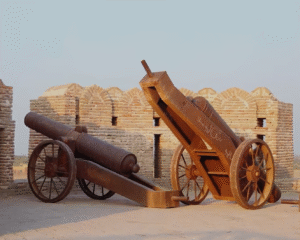
Among Jaigarh Fort most famous features is the Jaivana Cannon—once the largest cannon on wheels in the world. This colossal weapon, cast in 1720 within the fort’s own foundry, was a symbol of military prowess and innovation. Although never used in war, it was test-fired once, reportedly launching a cannonball over 35 kilometers. The blast was so powerful that nearby villagers were said to have fainted from the sound. The cannon now rests silently within the fort, offering visitors a chance to marvel at the genius of Rajput engineers who built not just weapons but deterrents of incredible scale.
Inside the Walls – What to See at Jaigarh Fort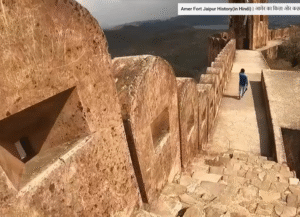
Step inside Jaigarh Fort and you’ll discover a rugged, intelligent structure that contrasts beautifully with the ornamental Amber Fort below. The fort is packed with historical innovations and military brilliance. An armory museum displays ancient weapons like swords, shields, muskets, and explosives. The water harvesting system, complete with massive underground tanks, showcases advanced planning for prolonged battles. Royal quarters, including gardens and audience halls, offer a glimpse into the lifestyle of the commanders and generals who once operated from here. Secret underground passages and hidden tunnels add layers of intrigue, and one of them connects Jaigarh directly to Amber Fort—used for quick movement of troops or royalty during emergencies. The watchtowers offer panoramic views of the Aravalli hills and Jaipur city, making it a favorite spot for travelers and photographers alike.
The Legend of Hidden Treasure
Jaigarh Fort isn’t just about war; it’s also about myths. For years, people have believed that vast royal treasures are buried deep within its chambers—possibly war spoils or emergency funds from the Mughal era. In the 1970s, the Indian government even conducted a search based on these rumors. While no treasure was officially found, the story has persisted, adding an air of mystery to the already fascinating structure. Even today, local whispers speak of hidden rooms and undiscovered tunnels where untold riches may still lie.
Location, Timings, and How to Reach
Getting to Jaigarh Fort is simple. It is located around 15 kilometers from Jaipur’s city center and sits directly above Amber Fort. Visitors can hike up from Amber or take a vehicle via the winding road. The fort is open from 9:00 AM to 4:30 PM. The best time to visit is between October and March when the weather is pleasant, and the views from the hilltop are at their clearest.
Why Jaigarh Fort Should Be on Your Itinerary
Unlike many tourist-packed destinations, Jaigarh Fort offers peace, open spaces, and a raw sense of history. It gives you a glimpse into a time when architecture was as much about intelligence as it was about beauty. From its giant cannon and royal chambers to its hidden escape routes and untouched silence, Jaigarh tells the story of a kingdom that chose preparation over pretense. For anyone interested in Rajasthan’s military past, Rajput valor, or simply breathtaking views, Jaigarh Fort is an essential stop. Visit not just to see walls and weapons, but to feel the quiet strength of a hill that once guarded an empire.
❓ Frequently Asked Questions (FAQs)
Q1. What is Jaigarh Fort famous for?
Jaigarh Fort is famous for the Jaivana Cannon, hidden tunnels, military architecture, and its connection to Amber Fort.
Q2. How is Jaigarh Fort different from Amber Fort?
While Amber Fort was a royal residence known for beauty and palaces, Jaigarh was a military base designed for defense and security.
Q3. Is there a tunnel between Amber and Jaigarh Fort?
Yes, there is a secret tunnel connecting the two forts, used during emergencies for safe passage of troops and royals.
Q4. Can we visit Jaivana Cannon?
Yes, the Jaivana Cannon is open to the public and is a top highlight of the fort.
Q5. How much time is needed to explore Jaigarh Fort?
You should plan around 2 to 3 hours to explore the full fort, including the museum, cannon site, and viewing points.
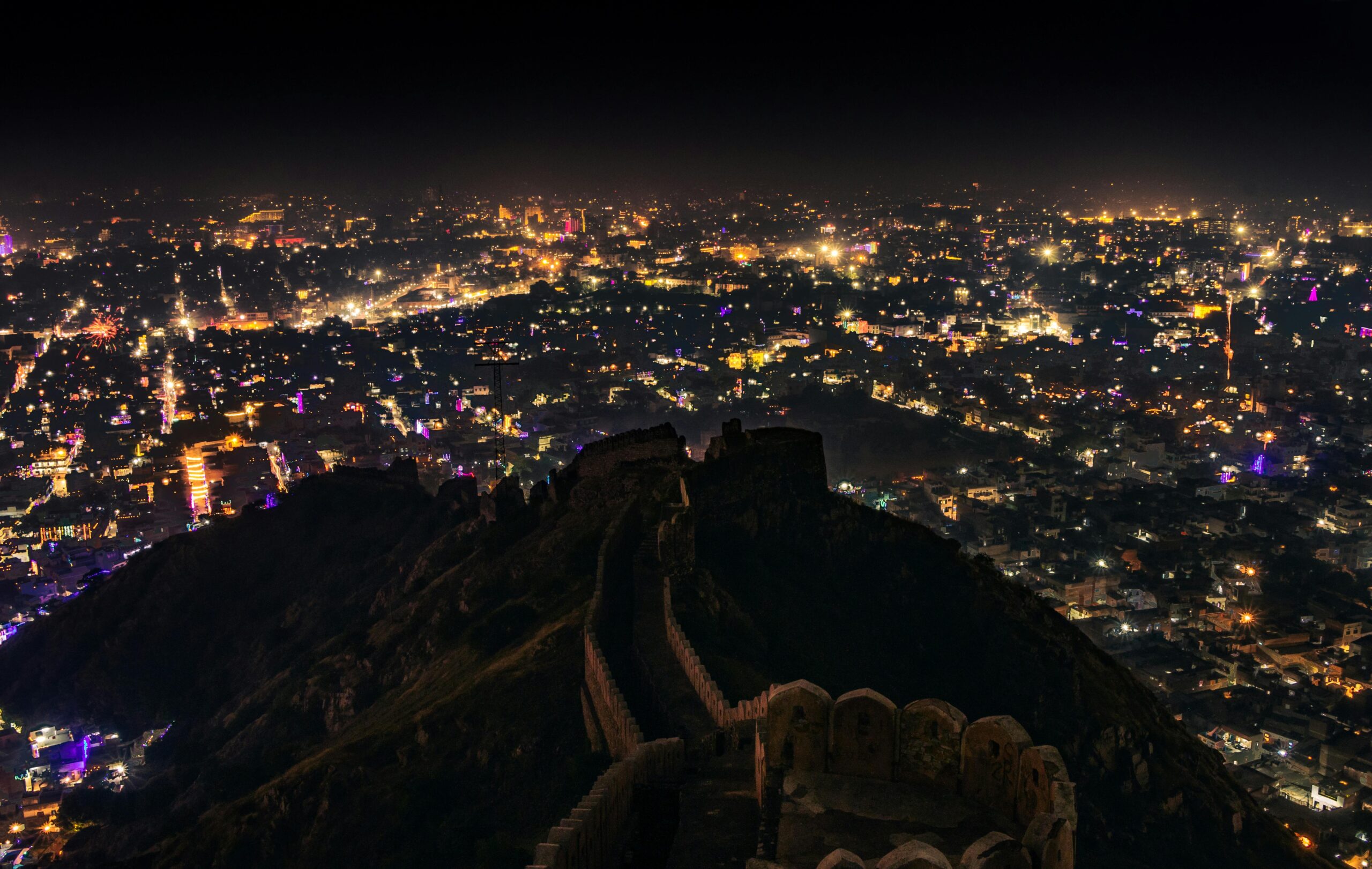
Nahargarh Fort Jaipur: Where Legends Whisper and Sunsets Speak
Nahargarh Fort – Jaipur’s Soulful Watchtower Over the Aravallis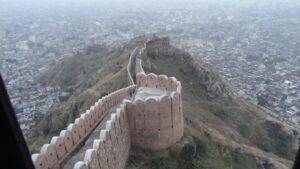
On the rugged Aravalli hills, Nahargarh Fort isn’t just a historic monument it’s Jaipur’s quietest storyteller. While the City Palace dazzles with grandeur and Amber Fort commands attention with its might, Nahargarh watches silently from above, offering solace, stories, and sweeping city views. Here, wind whistles through ancient walls, carrying secrets of kings, queens, and ghosts alike. This fort isn’t loud. It doesn’t try to impress. It simply invites you to breathe, to listen, and to look far into the pink-hued horizon especially when the sun sets behind the hills.
History of Nahargarh Fort : Built for Battle, Used for Peace
Built in 1734 by Maharaja Sawai Jai Singh II, the founder of Jaipur, Nahargarh Fort was initially named Sudarshangarh and constructed as a defense fortification to protect the new city. Despite its strategic positioning, the fort never saw a major battle. Instead, its role evolved into a peaceful retreat and refuge. During the 1857 Sepoy Mutiny, when unrest gripped North India, the fort sheltered the British Resident and European families, showcasing its quiet relevance in turbulent times.
The Haunted Tale of Nahar Singh : A Ghost Who Wanted Credit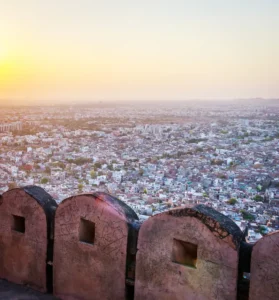
Among the haunted forts of Rajasthan, Nahargarh holds a unique place, not for fear but for folklore. Legend has it that the construction of the fort was continually disrupted by the ghost of a local prince named Nahar Singh Bhomia. Workers complained of eerie voices, broken tools, and strange happenings. It is said that the ghost agreed to stop haunting the area only if the fort was named after him. Thus, Sudarshangarh became Nahargarh, meaning "Abode of Nahar." Even today, a small temple dedicated to Nahar Singh exists inside the fort, a nod to the past and a whisper of mystery.
Madhavendra Bhawan : The Palace of Hidden Romance
In the 19th century, Sawai Madho Singh, a descendant of Jai Singh II, commissioned Madhavendra Bhawan within the fort a stunning addition that would turn this military fort into a luxurious royal retreat. The palace houses 12 identical suites, built for the queens, each with its own living space, bathroom, kitchen, and bedroom. What makes it fascinating is the interconnected design narrow passageways allowed the king to visit any queen’s chamber without drawing attention. With its pastel-painted walls, Rajasthani frescoes, and elegant courtyards, Madhavendra Bhawan is one of the finest examples of Rajput leisure architecture in Jaipur.
Nahargarh Sunset : The Best View in Jaipur
Nahargarh is famous not just for its architecture or legendsbut for its sunset. As the sun dips behind the Aravallis, the city of Jaipur slowly lights up below. From the fort's ramparts and rooftop, you get a 360 degree view of the Pink City City Palace, Jal Mahal, Jaigarh Fort, and even the city walls.
The golden hour at Nahargarh is pure magic for:
- Photographers chasing the perfect frame
- Couples seeking quiet romance
- Travelers finding perspective and peace
It’s no surprise that many consider this the best sunset view in Jaipur.
Nahargarh in Bollywood and Pop Culture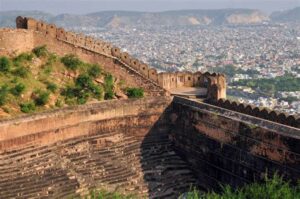
Nahargarh has also found its place on the silver screen. Most notably, it appeared in the film "Rang De Basanti", where scenes of camaraderie and rebellion unfolded on its historic walls. Its rustic charm, panoramic views, and sense of calm have made it a favorite for:
- Instagram reels
- Travel documentaries
- Pre-wedding shoots
Visiting Today : Rooftop Dining, Museum, and More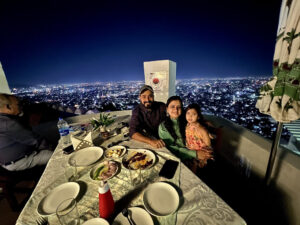
Today, Nahargarh Fort offers more than just a walk through history. It’s a complete experience, blending culture, nature, and cuisine.
Padao Restaurant : Rooftop Dining with a View
Located on the western edge of the fort, Padao offers open-air dining with jaw-dropping views. A meal here especially at sunset is a must-have Jaipur experience.
Museum & Galleries
There’s a small museum section inside the palace showcasing royal portraits, furniture, weapons, and artifacts that paint a vivid picture of life in the 18th and 19th centuries.
Best Time to Visit
- Season: October to March (pleasant weather)
- Time: Late afternoon to sunset for best lighting and views
Why Nahargarh Fort Should Be on Your Jaipur Itinerary
Unlike some over-crowded tourist sites, Nahargarh Fort offers a sense of solitude. It’s perfect for:
- Travelers who like authentic history
- Explorers chasing offbeat royal retreats
- Creatives seeking inspiration and silence
- Those who enjoy romantic views without the rush
Whether you're a solo traveler, a history buff, a honeymooner, or a curious soul Nahargarh Fort will speak to you in silence.
FAQs : Nahargarh Fort, Jaipur
- Q: What are the opening hours of Nahargarh Fort?
A: 10:00 AM to 5:30 PM, open all days of the week.
- Q: Is there an entry fee for Nahargarh Fort?
A: Yes, it’s approximately ₹50 for Indians and ₹200 for foreign tourists. Additional charges may apply for Madhavendra Bhawan or camera use.
- Q: How far is Nahargarh Fort from Jaipur city center?
A: Around 6 km from the city center, easily accessible by car or cab.
- Q: Is Nahargarh Fort suitable for elderly visitors?
A: The fort involves some walking and stairs, but overall it's manageable. Comfortable shoes are recommended.
- Q: Can I visit Nahargarh Fort for sunset only?
A: Yes! In fact, sunset is one of the best times to experience the fort.
The City Palace – Jaipur’s Royal Heartbeat
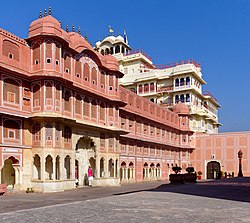
City Palace Jaipur – The Beating Heart of Rajasthan’s Royal Heritage
More Than a Monument : A Living Royal Legacy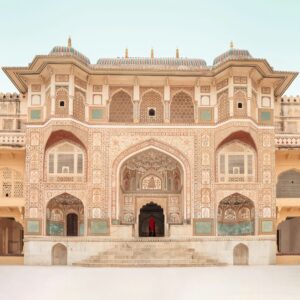
In the heart of Jaipur’s walled city stands a masterpiece that transcends time: The City Palace Jaipur. Unlike ordinary tourist attractions, this iconic landmark is not just a glimpse into India’s regal past it’s a living embodiment of power, artistry, and heritage. Built in 1727, during the reign of Maharaja Sawai Jai Singh II, this palace was conceived not as an isolated structure, but as the cultural and administrative nucleus of the Pink City itself.
Today, the City Palace remains one of Jaipur’s most visited tourist attractions, drawing in travelers, historians, photographers, and culture seekers from around the globe. But more than its aesthetic appeal, it holds what every modern visitor seeks: authenticity, immersive history, and an atmosphere that genuinely connects you with the soul of Rajasthan.
The Vision of a King: City Palace as the Soul of Jaipur
The construction of City Palace was no ordinary architectural project. Maharaja Sawai Jai Singh II, a ruler known equally for his strategic intellect and scientific temperament, founded Jaipur as India’s first planned city. The palace he envisioned was to be the cornerstone of this urban design both functionally as a seat of governance and symbolically as a representation of Rajput valor and cultural elegance.
Blending Rajputana fortification elements with Mughal aesthetics and refined touches of European design, the City Palace set a new benchmark for Indo-Islamic architecture. Its symmetrical courtyards, intricately carved gateways, and ornate domes were not only built to impress, but to inspire a statement of Rajasthan’s place in the subcontinent’s evolving political and cultural narrative.
Architectural Identity: A Fusion That Tells a Thousand Stories
The City Palace is a visual symphony. Its exterior walls rise with strength and simplicity, reminiscent of Rajput fortresses, while the interiors soften with the graceful ornamentation of Mughal-influenced frescoes, jaalis (latticed windows), and chhatris (elevated pavilions). European nuances are subtly layered in the geometric harmony, stained glass, and classical colonnades add an unexpected elegance that bridges East and West.
This architectural synthesis is not accidental. It reflects the diplomacy and sophistication of the Jaipur royals, who embraced diverse cultural influences while preserving their own identity. Every arch, courtyard, and ceiling was designed to evoke a sense of order, grandeur, and purpose.
Inside the City Palace: An Immersive Royal Experience
Stepping into the City Palace is like entering a well-preserved time capsule an environment where every corner has a story and every structure serves a symbolic or functional role.
The Mubarak Mahal, once used to welcome foreign dignitaries, now functions as a textile museum showcasing rare fabrics, hand-embroidered royal attire, and even the famously massive garments of Maharaja Madho Singh I, who reportedly weighed over 250 kilograms. This space not only displays royal taste but also the evolution of craftsmanship in Rajasthani textiles.

Further inside, the Chandra Mahal stands as the most sacred wing of the complex. Though largely occupied by the present-day royal family, selected rooms such as the Sukh Niwas and the Blue Room are accessible to the public and offer an opulent glimpse into the past complete with mirror-inlaid ceilings, floral frescoes, and walls decorated in 22-carat gold. Interestingly, the royal flag hoisted on this Mahal changes to signify the presence of the Maharaja, a tradition that persists even today.
.jpg)
The Pritam Niwas Chowk, or the Peacock Courtyard, is the crown jewel of City Palace’s visual narrative. Here, four exquisitely painted doorways represent the four seasons and are deeply rooted in Hindu cosmology. The Peacock Gate, in particular, with its vivid blues and emeralds, is among the most photographed locations in India a fusion of art, devotion, and symbolism.
The Diwan-i-Khas, or Hall of Private Audience, is another unmissable highlight. It houses the largest sterling silver vessels in the world each crafted from over 14,000 melted silver coins. These urns, once carried to London filled with sacred Ganga water by Maharaja Sawai Madho Singh II, are more than showpieces they're icons of spiritual and cultural integrity.
Beyond the Walls: Stories That Live On
Unlike static heritage sites, the City Palace continues to pulse with life. It has hosted everything from state ceremonies to royal weddings, diplomatic summits to spiritual festivals. It was here that Queen Elizabeth II, Jacqueline Kennedy, and numerous global dignitaries experienced the unparalleled hospitality of Rajasthan.
Maharaja Sawai Man Singh II, a former ruler, played a pivotal role in modernizing the palace and transforming it into a cultural interface between East and West. A champion polo player and respected diplomat, his legacy is deeply entwined with the City Palace’s status as both a royal residence and public heritage site.
What truly sets the City Palace apart is that the royal lineage continues to live within its premises. This rare coexistence of public museum and private residence gives the palace its living character something few monuments around the world can claim.
Why City Palace is a Must-Visit on Every Rajasthan Itinerary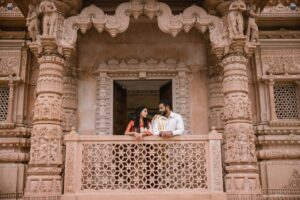
Visiting the City Palace is not about ticking off a tourist checklist it is about experiencing the essence of Jaipur. From a storytelling standpoint, it provides a layered understanding of royal history, architectural innovation, and the continuity of culture. From an emotional perspective, it offers an atmosphere that balances serenity with splendor.
Whether you're an architecture enthusiast, a historian, a travel photographer, or simply someone captivated by India’s regal past, the City Palace offers value far beyond its walls. The visual textures, ambient music, fluttering flags, and marble echoes create an unforgettable sensory and cultural experience.
Visitor Information for City Palace Jaipur
Located in the Old City near the famed Badi Chaupar, the City Palace is easily accessible and central to other must-see Jaipur attractions like the Hawa Mahal and Jantar Mantar. The palace is open daily from 9:30 AM to 5:00 PM, and extended evening hours are available with special tickets.
Entry fees vary for Indian and foreign tourists, with composite tickets available that grant access to more private areas like the Royal Darbar, Blue Room, and Chandra Mahal. Hiring a local guide or using an audio tour is highly recommended to get the most out of your visit, especially for those seeking a deeper narrative behind the architecture and artifacts.
Hawa Mahal – The Palace Where the Wind Whispers History
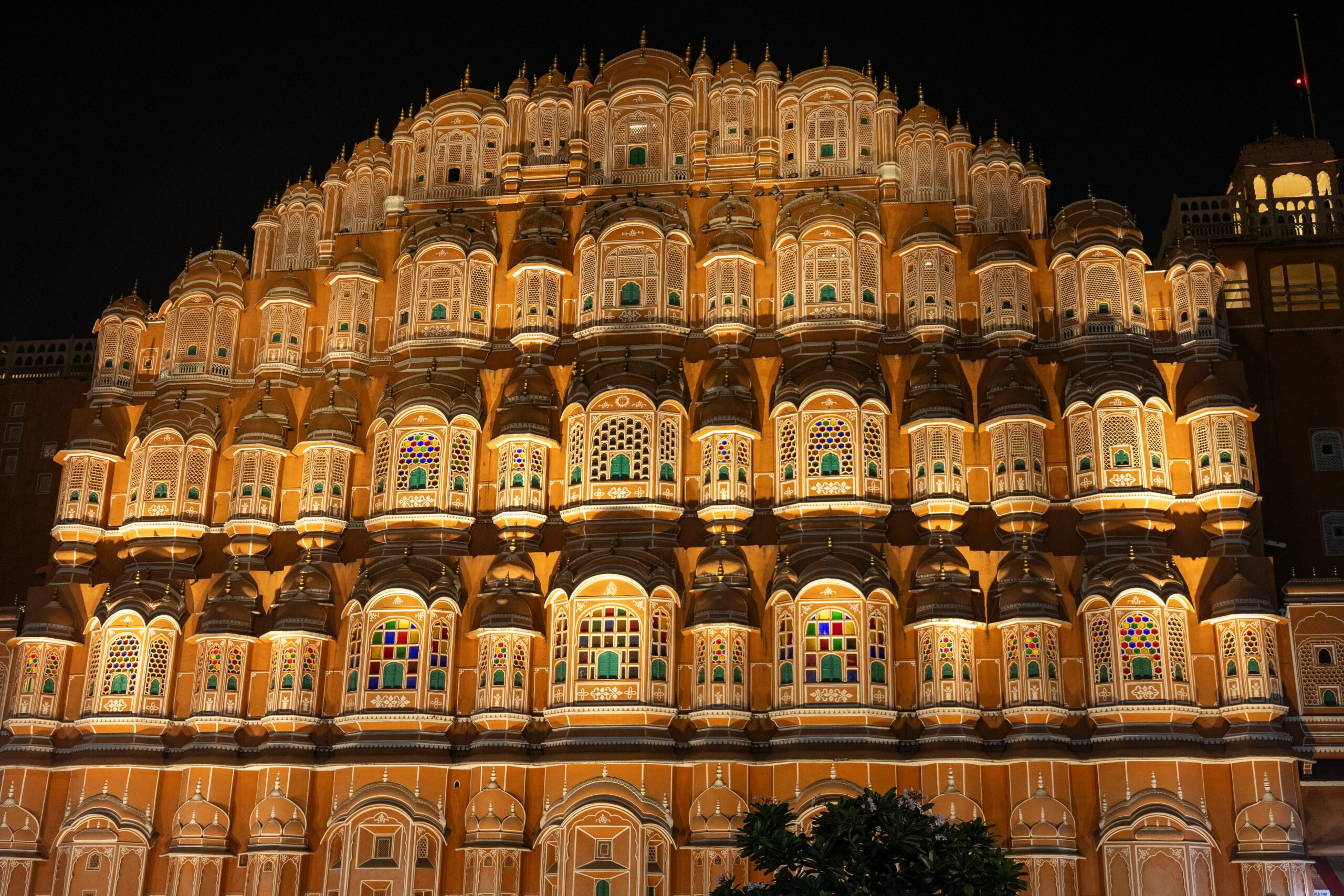
The Hawa Mahal, or “Palace of Winds,” stands tall and graceful in the heart of Jaipur, Rajasthan’s Pink City. With its delicate honeycomb façade, 953 tiny windows, and soft pink sandstone glow, it’s one of the most photographed—and admired—buildings in India. But behind its beauty lies a thoughtful design, fascinating history, and timeless stories whispered through the wind.
🏰 A Palace Not for Living, But for Watching Life
Built in 1799 by Maharaja Sawai Pratap Singh, Hawa Mahal wasn’t meant to be a residence. Instead, it was built so that royal women, who followed the purdah system (staying hidden from public view), could watch the street festivals, daily bazaars, and religious processions unfold below. From behind the jharokhas (windows), they could feel connected to the world outside—without ever being seen.
This idea was both sensitive and forward-thinking. It allowed women of the royal household to experience the joys of city life, color, and culture, all while preserving tradition. The Hawa Mahal was their window to freedom, built with care and dignity.
🛠️ Architecture That Breathes
Designed by Lal Chand Ustad, the palace is a mix of Rajput and Mughal styles—featuring domes, arches, floral carvings, and intricate latticework. Made entirely of red and pink sandstone, it perfectly matches Jaipur’s identity as the Pink City.
Though five stories high, Hawa Mahal is only one room deep in many parts. Its beauty lies in lightness—built more like a screen than a solid structure. But its true genius lies in its name: “Palace of Winds.” With nearly 1,000 small windows, air flows freely through the palace, making it naturally cool even during Rajasthan’s harsh summers. This design, long before air conditioning existed, is a brilliant example of sustainable, human-centric architecture.
💫 Stories That Live in the Walls
The Hawa Mahal isn’t just a building—it’s a silent storyteller. Legends say that queens would spend hours behind those windows, exchanging quiet conversations, watching Teej or Gangaur processions, or simply enjoying the breeze with a view.
It’s also said that Sawai Pratap Singh, the king who commissioned it, was a poet and a alover of art. He would often visit the upper floors to write poetry as the sunrise painted the sandstone golden.
From secret messages passed through gestures in the windows, to silent observations of the ever-busy streets of Badi Chaupad, every part of the Hawa Mahal holds a trace of lives once lived with grace and restraint.
🕌 What Most Tourists Miss
Most people admire the iconic front of the palace and snap a photo from the busy street. But very few know the entrance is actually at the back, through a quiet lane. Inside, narrow spiral staircases lead to airy chambers like Vichitra Mandir, Prakash Mandir, and Hawa Mandir—each offering stunning rooftop views of Jaipur’s City Palace and Jantar Mantar.
The real magic happens inside. As you walk through its cool, shadowy corridors, the wind that once touched royalty brushes past you. The palace is filled not with voices, but with silence, echoing the past.
📸 An Experience, Not Just a Monument
For photographers, writers, architects, and curious travelers, Hawa Mahal is a dream. Early morning light casts soft shadows across its pink walls. The latticed windows create patterns of light and breeze. But more than anything, Hawa Mahal makes you feel something—it reminds you that even centuries ago, architecture wasn’t just about buildings. It was about thoughtfulness, elegance, and respect for life.
❤️ Why Hawa Mahal Will Stay With You
The Hawa Mahal is more than just a historical site—it’s a symbol of quiet strength, of beauty built with purpose, and of voices that chose to watch rather than speak. It shows how architecture can reflect culture, solve real-life problems, and still remain stunning centuries later.
When you stand in front of it—or better, inside it—you don’t just see a palace. You become part of a story that’s still alive in the wind.
The Taj Mahal – A Love Story Etched in Stone
The Taj Mahal, one of the world’s most admired monuments, stands on the southern bank of the Yamuna River in Agra, Uttar Pradesh. Known as a symbol of eternal love, it attracts millions of visitors every year. But behind its breath-taking beauty lies a deeply emotional story that makes this monument far more than just a tourist attraction.
🏛️ The Story Behind the Taj Mahal
The story begins in the early 1600s, when Prince Khurram, who would later become Emperor Shah Jahan, fell in love with Arjumand Banu Begum, a Persian noblewoman in the Mughal court. After marriage, she was lovingly named Mumtaz Mahal, meaning “the chosen one of the palace.” She became his most beloved queen, his advisor, and his closest companion.
Their love story was deep and strong, but in 1631, tragedy struck. Mumtaz Mahal died while giving birth to their 14th child. Shah Jahan was devastated. In his grief, he decided to build a tomb so beautiful that the world would never forget their love. That tomb became the Taj Mahal.
Construction began in 1632 and took about 22 years to complete, finishing in 1653. Over 20,000 workers and artisans from across India, Persia, and the Ottoman Empire were brought in. Architects, calligraphers, stonecutters, and engineers worked together under the guidance of Ustad Ahmad Lahauri, the chief architect.
✨ Architecture and Design
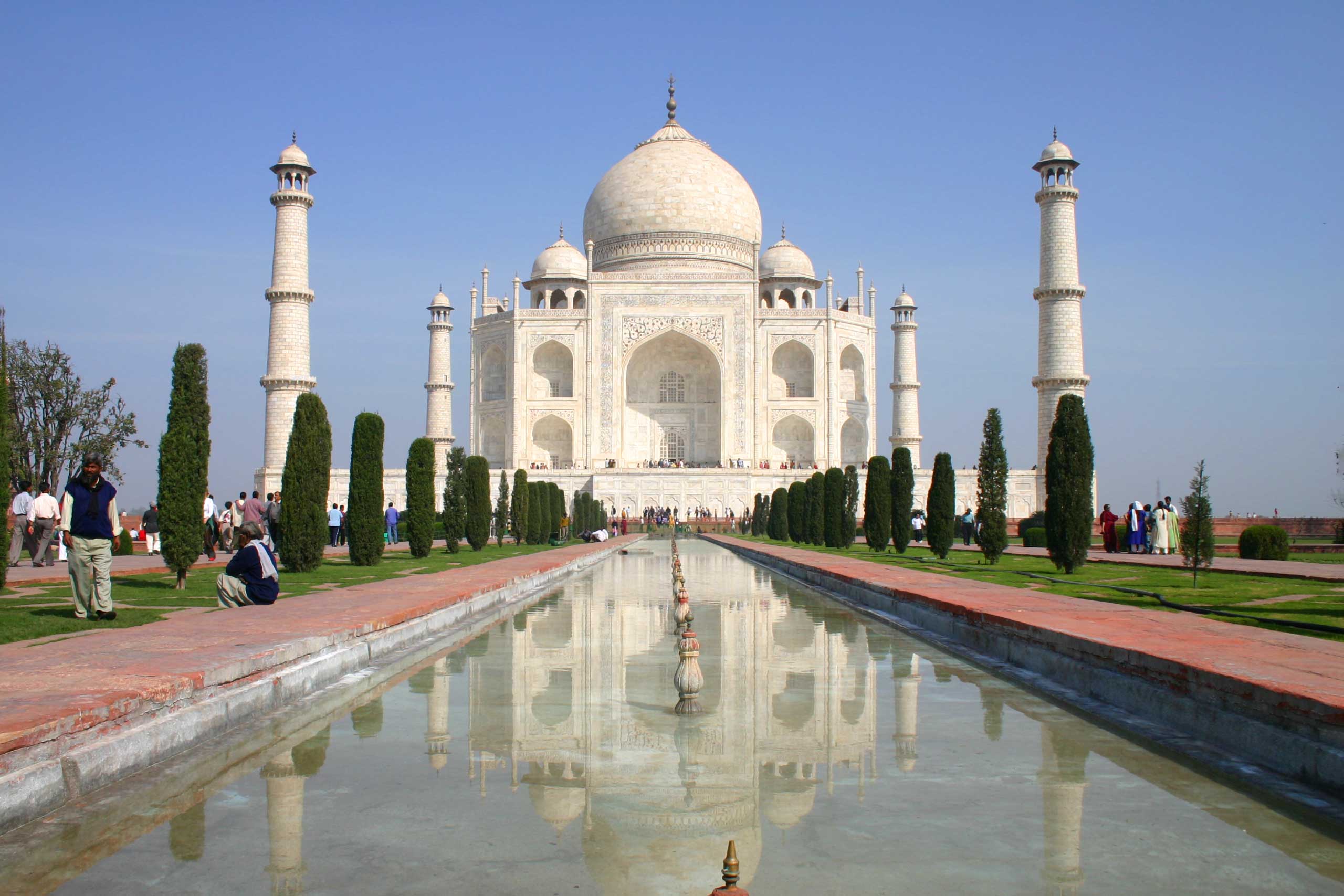
The Taj Mahal is made of pure white Makrana marble, which was brought in from Rajasthan. The structure is perfectly symmetrical, with a central dome rising to a height of 73 meters (240 feet), surrounded by four smaller domes and four tall minarets that tilt slightly outward to protect the main tomb in case of a collapse.
What truly sets the Taj Mahal apart is the inlay work—precious and semi-precious stones like jade, crystal, turquoise, lapis lazuli, and sapphire were embedded into the marble to form delicate floral designs. These intricate patterns still shine in the sunlight, hundreds of years later.
The walls feature beautiful Persian calligraphy, mostly verses from the Quran, praising paradise and eternal peace—fitting for a tomb that was meant to be a garden of heaven.
🌹 The Garden of Paradise
The Taj Mahal complex includes a beautiful Charbagh-style garden, divided into four parts by walkways and water channels. This style was inspired by Persian gardens and represents the Islamic idea of heaven. In the middle, the long reflecting pool perfectly mirrors the image of the Taj Mahal, creating one of the most iconic sights in the world.
On either side of the main tomb are two red sandstone buildings—one is a functioning mosque, and the other was used as a guest house. These buildings provide contrast to the white marble and complete the symmetry of the site.
🕊️ A Monument of Memory
In 1666, Shah Jahan was imprisoned by his own son, Aurangzeb, in Agra Fort. He spent his final years gazing at the Taj Mahal from a small window, mourning his lost queen. After his death, he was buried beside Mumtaz Mahal inside the main mausoleum, united forever in the place he built for their love.
The Taj Mahal became not just a royal tomb, but a masterpiece of art, architecture, and emotion. It’s been called the "teardrop on the cheek of time" and stands as one of the most powerful reminders of human love and loss.
🌤️ Best Time to Visit
The best time to visit the Taj Mahal is from October to March, when the weather is cooler and more pleasant. Early mornings offer softer light and fewer crowds, while full moon nights allow a rare, romantic view of the monument glowing under moonlight—something truly unforgettable.
❤️ Why the Taj Mahal Still Matters
The Taj Mahal is not just a UNESCO World Heritage Site or one of the Seven Wonders of the World. It’s a story of love that still touches people’s hearts across the globe. It’s a place where art meets emotion, where every stone has meaning, and where silence speaks louder than words.
A visit to the Taj Mahal is not just about seeing a monument. It's about feeling something deep and timeless. Whether you're a history lover, a dreamer, or just someone curious about the world, the Taj Mahal will stay with you—forever.
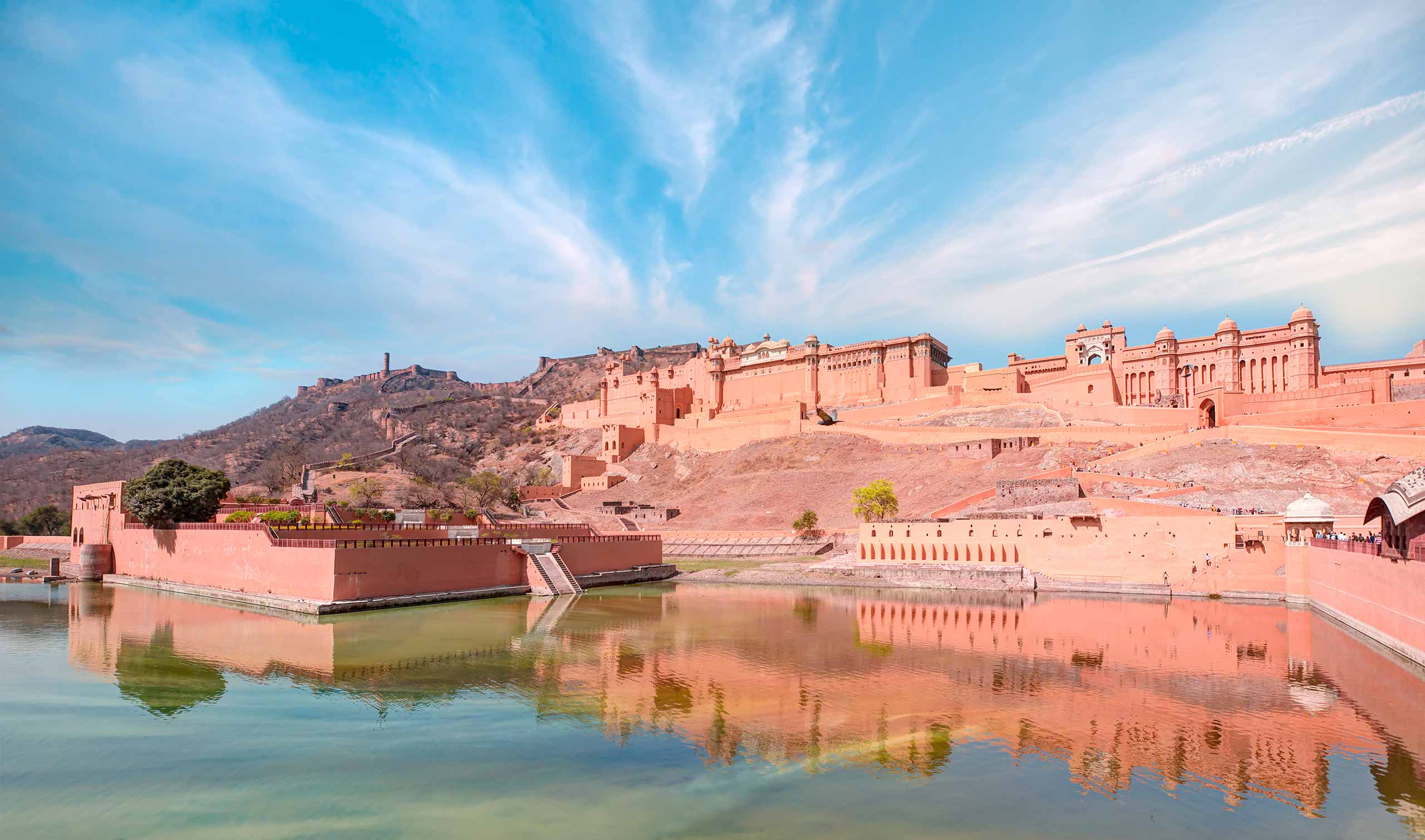
Amber Fort – A Royal Palace That Tells Stories
Just outside the busy city of Jaipur, sitting high on a hill, is one of Rajasthan’s most beautiful treasures—Amber Fort. Also called Amer Fort, this stunning palace looks like it came straight out of a fairy tale. With its large gates, decorated walls, shining mirrors, and peaceful lake below, Amber Fort takes you back in time to when kings and queens lived here in royal style.
Amber Fort was built in 1592 by Raja Man Singh I, a brave Rajput general who worked closely with Emperor Akbar. Later, his descendants added more to the fort, making it even more grand and artistic. The fort is made of red sandstone and white marble and combines both Rajput strength and Mughal beauty. From the outside, it looks strong and mighty—but inside, it feels calm, royal, and full of charm.
As soon as you enter through the Sun Gate (Suraj Pol), you see the beautiful Maota Lake below the hill, reflecting the fort’s walls. Inside, the fort is divided into sections with courtyards, temples, halls, and private rooms. One of the most magical places is the Sheesh Mahal, or Mirror Palace—a room covered in tiny glass pieces that sparkle with just a little light. It’s said that queens used to sit here and enjoy the view of moonlight dancing on the walls.
Another special place is the Sukh Niwas, where the kings stayed cool even in the hot summer, thanks to water flowing through marble channels that created cool air. The Diwan-i-Aam (Hall of Public Audience) and Diwan-i-Khas (Hall of Private Audience) were used for meeting people and important guests. Every part of the fort shows the smart and artistic thinking of the Rajput kings.
🏰 A Story from the Fort’s Past
One of the most famous legends of Amber Fort is the story of Rani Shila Devi, the goddess idol brought to the fort by Raja Man Singh after winning a battle in Bengal. He believed the goddess gave him strength in war, so he built a temple for her right inside the fort, where it still stands today. Every morning, the gates of the Shila Devi Temple open for visitors and prayers—people still come here with great faith.
Another well-known tale is of the secret tunnel that connects Amber Fort to Jaigarh Fort, which was used by the royal family during attacks. The tunnel is hidden and runs through the hills—it’s said that it saved many lives during enemy invasions. This underground path made sure the queens and children could escape safely without being seen.
There’s also a story about the Mirror Palace, where it’s believed that the queen, who wasn’t allowed to sleep in open courtyards, asked for a way to enjoy the night sky. So, the walls were decorated with tiny mirrors that reflected the glow of just one candle or the moonlight, making the entire room look like a sky full of stars. Isn’t that beautiful?
🌤️ Best Time to Visit
The perfect time to visit Amber Fort is between October and March. During these months, the weather is cool and comfortable, making it easier to explore the fort’s large areas without feeling tired or hot. The skies are usually clear, the lake looks lovely, and the sunsets are magical from the top of the fort. Avoid visiting in summer, as it can get very hot.
🎭 Don’t Miss
Before you leave, stay for the Sound & Light Show in the evening. It plays in both Hindi and English and tells the stories of Amber Fort with lights, music, and drama. As the sun sets and the fort lights up, you’ll feel like you’ve gone back in time.
Amber Fort is more than just stone and walls—it’s a living story of bravery, love, art, and royal pride. Whether you’re a history lover, a traveler, or someone who enjoys beauty and peace, this fort will stay in your heart forever. It’s truly one of the best places to experience the magic of Rajasthan.

Best Private Driver Tours in India for Couples
Best Private Driver Tours in India for Couples
India is a land of romance, history, and breathtaking landscapes. For couples, nothing beats exploring this magical country with the comfort and flexibility of a private driver tour. Whether you’re on your honeymoon, celebrating an anniversary, or simply enjoying time together, a private driver can turn your trip into an unforgettable experience. In this guide, we’ll share the best private driver tours in India for couples, top destinations, why you should hire a driver, and tips for booking the perfect romantic getaway.
Why Choose a Private Driver Tour in India?
Choosing a private driver tour in India is one of the best decisions couples can make for a smooth and memorable journey. With a private driver, you enjoy complete comfort and flexibility, allowing you to stop wherever and whenever you like, whether it’s for a quick photo, a local snack, or a scenic view. Your driver’s local expertise means you’ll discover hidden gems and authentic experiences that many tourists miss, from charming villages to lesser-known monuments
Traveling by private car also eliminates the stress of navigating busy Indian roads or dealing with crowded public transportation, giving you more time to relax and enjoy the ride. Most importantly, a private driver offers couples the gift of privacy and romance—you can focus on each other and make the most of your time together without worrying about logistics or planning every detail of the trip.
Top Private Driver Tours for Couples
Golden Triangle Tour (Delhi, Agra, Jaipur)
The Golden Triangle—Delhi, Agra, and Jaipur—is hands down one of the best private driver tours in India for couples, offering a mix of history, romance, and adventure. With a private driver, couples can explore Delhi’s bustling markets and historic monuments like Humayun’s Tomb, admire the breathtaking beauty of the Taj Mahal in Agra—a timeless symbol of love—and wander through Jaipur’s magnificent palaces and forts like Hawa Mahal and Amber Fort. The flexibility of a private driver means you can stop at charming roadside cafés, take romantic sunset photos, or explore off-the-beaten-path attractions without rushing. This tour is ideal for first-time visitors and honeymooners looking to experience India’s cultural treasures in comfort and style.
Rajasthan Romantic Escape (Jaipur, Udaipur, Jodhpur)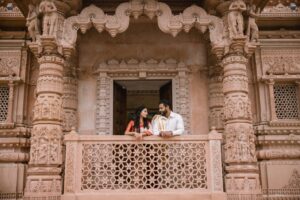
The Rajasthan Romantic Escape is among the best private driver tours in India for couples seeking luxury, royal charm, and cultural immersion. With a private car and driver, you’ll travel seamlessly from Jaipur’s majestic forts and pink-hued streets to Udaipur’s shimmering lakes and palaces, and then on to Jodhpur’s enchanting blue city. Couples can enjoy candlelit dinners by Lake Pichola, stay in heritage hotels, and explore local bazaars filled with handicrafts and jewelry. A private driver allows couples to fully indulge in Rajasthan’s beauty at their own pace, turning every drive into a romantic journey through India’s most regal state.
Kerala Backwaters and Beaches
For couples craving serenity, the Kerala Backwaters and Beaches tour ranks high among the best private driver tours in India for couples. Picture yourselves gliding on a private houseboat through the tranquil Alleppey backwaters, surrounded by palm trees and birdsong, followed by peaceful days on Kerala’s unspoiled beaches like Marari or Kovalam. With a private driver, you can also explore Munnar’s misty tea plantations or visit rejuvenating Ayurvedic spas. Kerala offers couples the perfect mix of nature, wellness, and romance, and a private driver makes sure you experience it all smoothly, with time for spontaneous stops and local discoveries along the way.
Goa Private Driver Tour
A Goa private driver tour is a dream come true for couples wanting sun, sea, and celebration, making it one of the best private driver tours in India for couples who love the beach lifestyle. With your own private driver, you can effortlessly hop between Goa’s lively beaches like Baga and Anjuna and more peaceful escapes like Palolem or Agonda. Explore Old Goa’s colonial architecture, shop at colorful flea markets, and end your day with cocktails under a fiery sunset. Whether you want to party at the beach clubs or find hidden romantic spots, having a private driver ensures you enjoy Goa’s magic without the hassle of arranging transport.
Himachal Honeymoon Tour (Manali, Shimla)
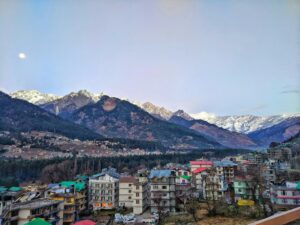
The Himachal Honeymoon Tour through Manali and Shimla easily earns its place among the best private driver tours in India for couples thanks to its breathtaking mountain scenery and cozy atmosphere. Let your private driver take you along winding mountain roads past snowy peaks, pine forests, and apple orchards. Couples can stroll along Shimla’s charming Mall Road, take a gondola ride in Manali, or relax in hot springs at Vashisht. Adventure-loving couples can add activities like skiing, trekking, or river rafting to their itinerary. With a private driver handling the roads, couples can fully embrace the romance and adventure of the Himalayas without worrying about logistics.
Benefits of Hiring a Private Driver in India for Couples
- Personalized itinerary for couples: With the best private driver tours in India for couples, you can design a trip that matches your interests, whether it’s romantic sightseeing, shopping, or food experiences.
- Save time and cover more places: A private driver helps you explore multiple destinations in one trip, making sure couples make the most of their vacation without the stress of public transport.
- Local insights and hidden gems: Enjoy authentic experiences with the help of your private driver, who knows the best local spots, romantic cafes, and scenic viewpoints, making it one of the best private driver tours in India for couples.
- Help with bookings, tickets, and restaurants: Many private drivers assist with hotel check-ins, activity bookings, and restaurant reservations, giving couples a smooth, hassle-free experience.
- More time to relax and connect as a couple: By joining the best private driver tours in India for couples, you can focus on creating beautiful memories together, while your driver handles all the travel details.
How to Choose the Best Private Driver Service 
- Check Online Reviews on Platforms like Google and TripAdvisor
Look for services that consistently receive positive feedback from previous clients. Reading reviews helps you find trusted and experienced drivers for your private driver tour in India, ensuring a safe and enjoyable trip. - Choose Licensed and Experienced Drivers
For a stress-free journey, always opt for licensed, experienced drivers who specialize in private driver tours in India for couples. An experienced driver ensures smooth travel, knows the best routes, and can recommend hidden gems along the way. - Discuss Your Itinerary and Expectations in Advance
Clearly outline your tour plans, destinations, and any special requirements. This helps your driver understand your expectations, allowing them to customize your tour to meet your preferences, from sightseeing to romantic stops. - Ensure the Driver Speaks Good English
If you’re a couple traveling from abroad, make sure the driver can communicate effectively in English. This ensures smooth communication during your private driver tour in India, allowing you to ask questions, request detours, or seek local recommendations. - Verify the Car is Clean, Air-Conditioned, and Comfortable
For a relaxing experience, ensure the car you’re traveling in is well-maintained, clean, and air-conditioned. A comfortable vehicle enhances the experience of your private driver tour in India, especially during long drives to popular destinations.
Tips for Booking Your Private Driver Tour
- Book Early, Especially During Peak Seasons (October–March)

For the best selection of drivers and vehicles, it’s crucial to book your private driver tour in India well in advance, particularly during the peak tourist season (October to March). Early booking helps you secure the best private driver services and ensures availability for your desired dates. - Communicate Clearly About Your Travel Style and Preferences
Every couple has unique travel preferences. Whether you're seeking a luxurious experience, adventure, or relaxation, make sure to clearly communicate your expectations with your private driver service. Discuss your desired destinations, pace, and any special requests, such as romantic dining spots or scenic detours, to personalize your private driver tour in India experience. - Agree on Price, Inclusions, and Exclusions Upfront
Transparency is key to a smooth experience. Ensure you agree on the total price of your private driver tour in India for couples before you set off. Clarify what's included in the cost (like fuel, driver fees, and parking) and what might incur extra charges (like entrance fees or tolls) to avoid misunderstandings during the trip. - Confirm the Driver’s Availability and Contact Details
Before confirming your booking, double-check the driver’s availability for your travel dates and request their contact details. Having a reliable point of contact ensures peace of mind during your private driver tour in India, especially if you need to make any last-minute changes or updates to your itinerary. - Ask for Recommendations on Romantic Stops Along the Way
An experienced driver can suggest hidden romantic spots or off-the-beaten-path destinations that make your private driver tour in India even more special. Don’t hesitate to ask for recommendations on scenic viewpoints, intimate cafes, or less-crowded attractions to enhance your experience.
Frequently Asked Questions (FAQ)
- Q: Is it safe to hire a private driver in India?
A: Yes, if you book through a reputable company with good reviews. - Q: Can I customize my tour?
A: Absolutely! That’s the beauty of private tours—you can tailor everything to your liking. - Q: Is it safe to travel in India with a private driver as a couple?
A: Yes, hiring a private driver from a us is very safe. It allows couples to relax, avoid local transportation stress, and get insider tips from our experienced drivers. - Q: Can I customize my private driver tour itinerary in India?
A: Absolutely! Our driver in India are fully customizable. You can choose destinations, stops, hotel preferences, & even adjust travel times to suit your needs. - Q: Should I tip my private driver in India?
A: Yes, tipping is appreciated but not mandatory.
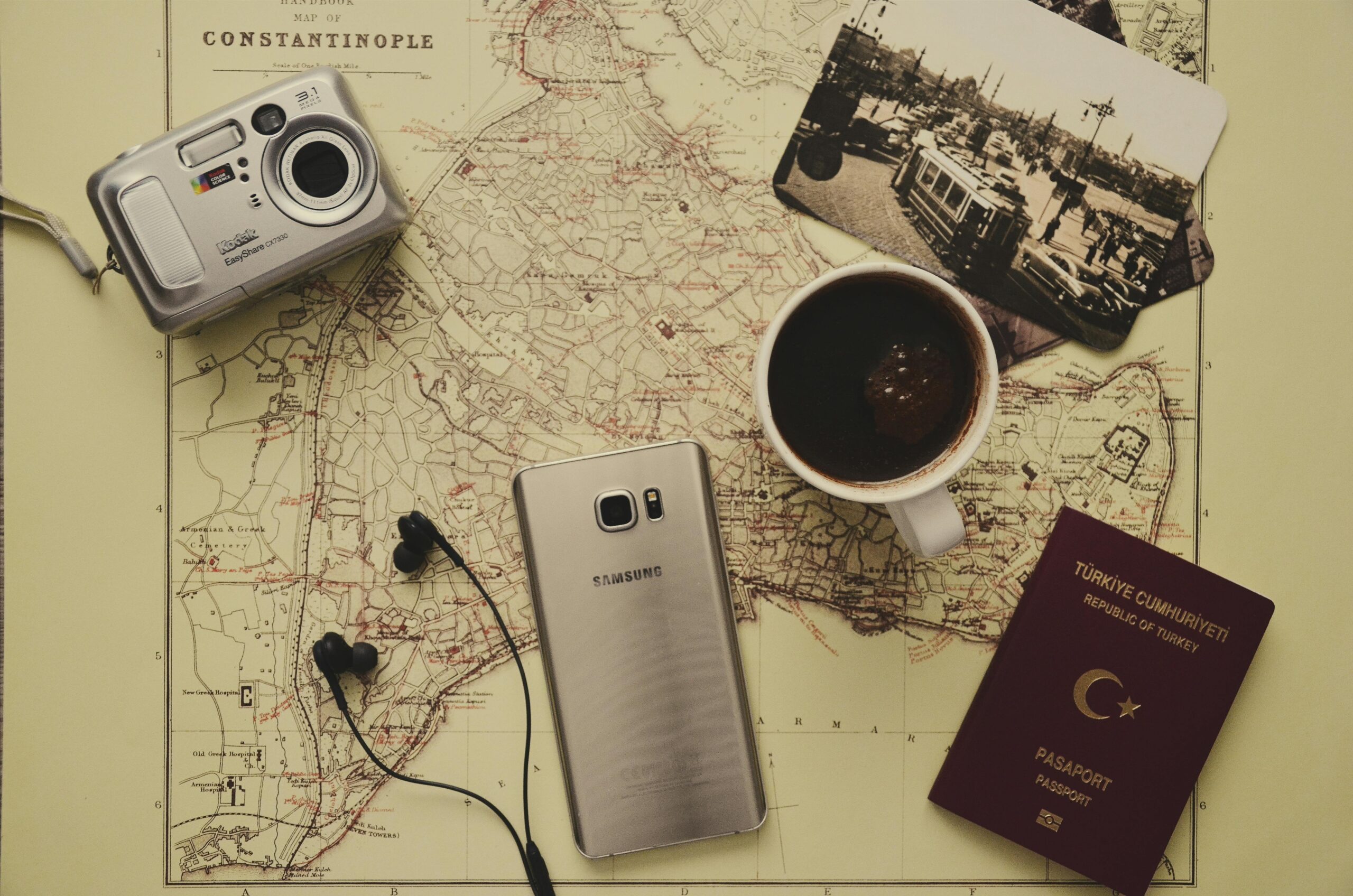
Ultimate Guide to Hiring a Private Driver in India (2025 Edition)
Hiring a Private Driver in India (2025 Edition)
India is a country best explored at your own pace. From the chaotic streets of Delhi to the majestic forts of Jaipur and the serene beauty of Agra's Taj Mahal, every corner is a new adventure. Hiring a private driver in India offers the flexibility, comfort, and local insight to make your journey smooth and memorable. This comprehensive guide will walk you through everything you need to know in 2025 about hiring a private driver in India including pricing expectations, safety tips, etiquette, recommended routes, and a comparison of the top services.
Why Hire a Private Driver in India?
India's public transportation system, while vast, can be complex and crowded, especially for international travelers. Navigating this system often involves multiple modes of transport, local language skills, and a lot of patience. A private driver simplifies this significantly by offering direct, door-to-door service. Not only do you get the convenience of traveling on your own schedule, but you also benefit from the driver's local knowledge, route efficiency, and ability to help with translation or local customs. Whether you're exploring remote forts or bustling bazaars, a private driver can elevate your travel experience with ease, safety, and comfort.
What Does It Cost to Hire a Private Driver in India?
The cost of hiring a private driver in India depends on several factors, such as the type of vehicle, the distance covered, and the duration of your journey. Typically, travelers can expect a moderate daily fee that includes the driver’s wage, fuel, tolls, and basic maintenance. For shorter city tours, prices tend to be on the lower end, whereas longer multi-day trips that span several cities or states naturally incur higher costs. Luxury vehicles or premium services may also command higher rates. It’s best to ask for a clear, all-inclusive quote when booking and to ensure there are no hidden charges for things like parking, driver meals, or overnight stays.
How Much Should You Tip a Private Driver?
While tipping is not obligatory in India, it is a culturally appreciated gesture, particularly for drivers who go above and beyond. For day trips, a modest tip at the end of the journey is generally welcomed. On longer tours, travelers often tip their drivers at the conclusion of the trip, based on the quality of service received. The amount varies depending on your satisfaction, but even small gestures are warmly appreciated. A thoughtful tip, a meal, or even a kind note of thanks can create a lasting impression.
Is It Safe to Hire a Private Driver in India? 
Yes, hiring a private driver in India is generally very safe, especially if you book through a reputable agency or well-reviewed platform. Most private drivers are professional, courteous, and accustomed to working with international visitors. To enhance safety, travelers should confirm the driver’s credentials, review online ratings, and ensure their itinerary is shared with a friend or family member. Reliable drivers are usually punctual, maintain clean vehicles, and demonstrate good communication. Many agencies now provide WhatsApp contact for easy communication and real-time updates.
Recommended Travel Routes with a Private Driver
Hiring a private driver allows for customized routes tailored to your interests. One of the most popular routes is the Golden Triangle, which covers Delhi, Agra, and Jaipur. This circuit is ideal for first-time visitors and offers a mix of cultural, historical, and architectural wonders. Beyond this, many travelers explore Rajasthan’s heritage cities like Udaipur, Jodhpur, and Pushkar. Those seeking spiritual depth often head to Rishikesh and Varanasi, while the southern regions offer scenic drives through Tamil Nadu’s temples or Kerala’s backwaters. Your private driver can help shape a route that aligns with your travel goals and time frame.
Private Driver Experience by City
🔹 Delhi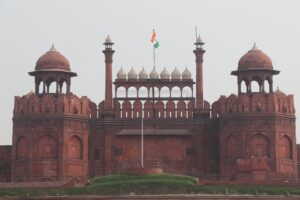
As the vibrant capital of India, Delhi is a city where ancient history meets bustling modern life — and exploring it with a private driver in India can make all the difference. From navigating the chaotic traffic to uncovering hidden cultural gems, a local driver ensures a smooth and enriching experience. Whether you're visiting the majestic Red Fort, Humayun’s Tomb, or wandering through the spice-laden lanes of Chandni Chowk, having a private driver in Delhi allows you to travel comfortably and efficiently. Their familiarity with shortcuts, peak hours, and authentic local spots helps you avoid tourist traps and see the real Delhi at your own pace.
🔹 Jaipur

Known as the Pink City, Jaipur is a treasure trove of royal history, majestic forts, and vibrant local markets — best explored with a private driver in India. Navigating its bustling roads becomes effortless as your driver takes you to iconic landmarks like Amer Fort, City Palace, and Jal Mahal, while also revealing hidden gems like traditional artisan workshops and lesser-known temples. With a private driver in Jaipur, you enjoy a personalized, flexible journey through the city’s cultural heart, with insights that only a local can offer.
🔹 Agra
Famous for the world-renowned Taj Mahal, Agra offers much more when explored with a private driver in India. Arriving early at the Taj with a knowledgeable driver ensures you beat the crowds and make the most of your visit. Beyond the monument, your private driver in Agra can take you to offbeat locations like Mehtab Bagh for a peaceful view of the Taj at sunset, or to the historic Fatehpur Sikri nearby. With their familiarity of the routes and timing, you experience Agra’s heritage comfortably and efficiently.
🆚 Comparing Private Driver Services in India
Several companies offer exceptional private driver services, each with unique strengths. Some specialize in the Golden Triangle route, while others are known for deep cultural immersion across Rajasthan or multi-state itineraries. Trusted agencies typically offer clean vehicles, experienced English-speaking drivers, and responsive customer support. It’s wise to compare reviews on platforms like TripAdvisor or Google, and to communicate directly with the US for any special requirements. Flexibility, transparency in pricing, and verified credentials are good indicators of a high-quality service.
📌 Key Tips Before You Book
Before finalizing your booking, always request a comprehensive quote that outlines inclusions and exclusions. Confirm your driver’s identity in advance, and clarify pickup times, cancellation policies, and contingency plans for emergencies. Keep essential apps downloaded especially offline maps and translation tools and ensure your driver is reachable via phone or messaging. Packing light, carrying snacks and water, and confirming your route in advance are also smart travel habits.
Why Our Private Driver is the Best Way to Explore India
If you're looking to explore India with comfort, confidence, and cultural depth, hiring our private driver is one of the best decisions you can make. The flexibility to stop at your will, the comfort of air-conditioned travel, and the added benefit of a local’s insight all combine to elevate your journey. Whether you’re on a short city break or a long, immersive tour, Our private driver helps turn your trip into an unforgettable experience.
Start planning today and let the roads of India unfold before you — one scenic drive at a time.
✅ FAQ (People Also Ask)
How much should I pay my driver in India?
- Costs vary but typically include driver’s wage, fuel, and local charges. Ask for a detailed quote.
Is tipping necessary?
- Not mandatory, but it is appreciated. Tip according to the service quality.
Can I hire an English-speaking driver?
- Yes, many drivers speak basic to intermediate English.
Is it safe for solo female travelers to hire a driver?
- Yes, especially through trusted and verified agencies.
Do drivers act as tour guides too?
- Many offer informal guidance, sharing local tips and stories along the way.