



Gwalior Travel Guide 2026
Best Places to Visit, Fort, Hotels, History & Itinerary
Perched on a sandstone plateau in the heart of Madhya Pradesh, Gwalior is one of those cities that quietly outclasses its own reputation. Ask most travellers what they know about it and you’ll get a shrug maybe a vague memory of a fort from a history textbook. Ask someone who has actually stood at Man Mandir Palace at sunset, watching the blueand-yellow tilework catch the last light over the plains, and you’ll get a very different answer.
Our travel specialists at India Custom Tours have organized private tours across North India for years, and Gwalior consistently surprises first-time visitors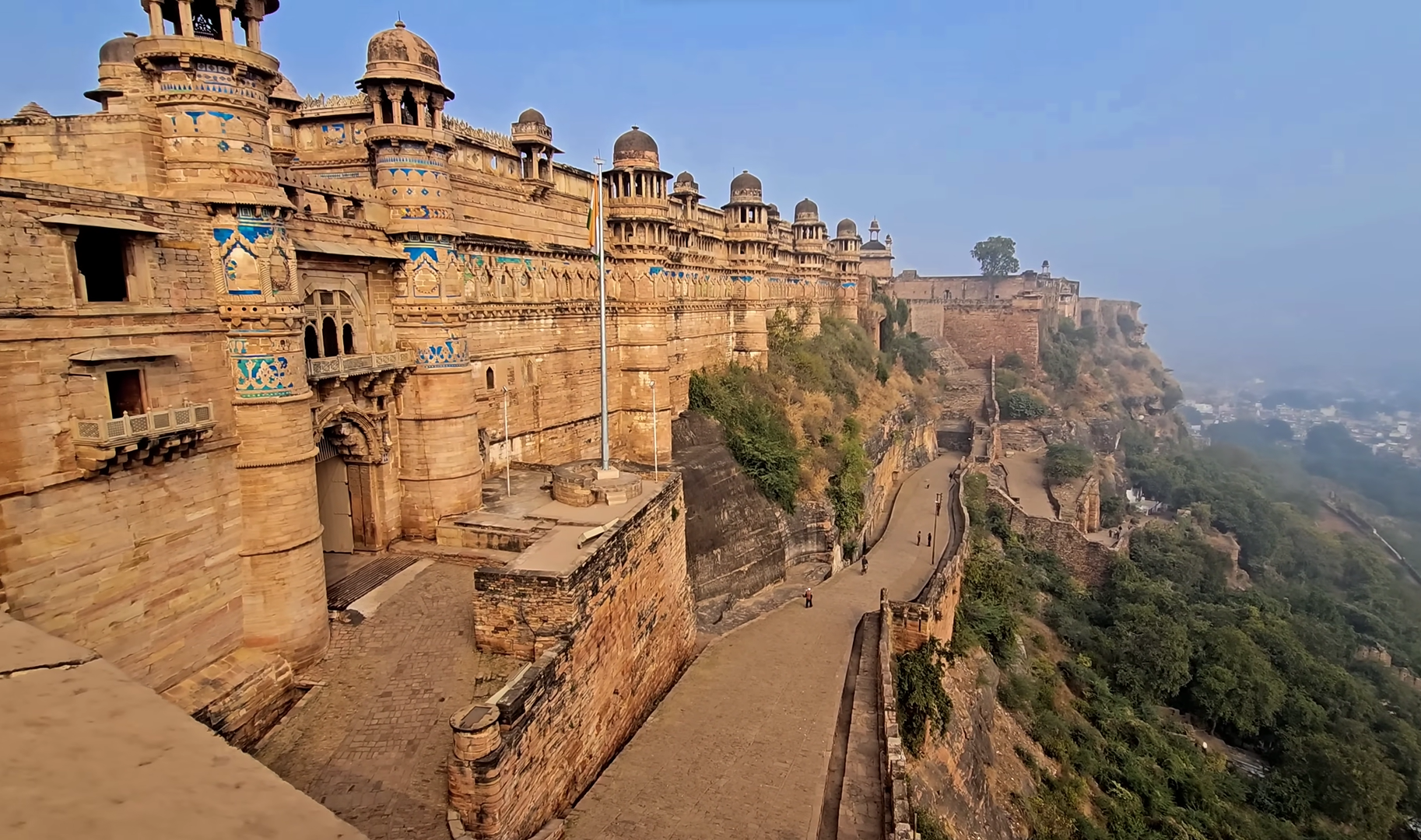 more than almost any other stop on the Delhi–Agra–Khajuraho circuit. This guide is built from firsthand route planning, repeated visits, and conversations with local guides, drivers, and hoteliers not a rehash of Wikipedia. Use it to plan everything from a rushed half-day stop to a slow, three-day exploration of the city and its surroundings.
Where Is Gwalior?
Gwalior sits in the northern part of Madhya Pradesh, close to the borders of Uttar Pradesh and Rajasthan, roughly 120 km south of Agra and about 320 km south of Delhi. Its location has always been its defining feature historically, whoever held Gwalior Fort effectively controlled the road between the Gangetic plains and central India, which is why so many dynasties fought over this one hill.
For travelers, that same location is a gift. Gwalior sits directly on the Delhi–Agra–Jhansi–Khajuraho rail and road corridor, which makes it one of the easiest historical cities in India to combine with an existing trip rather than a detour that eats a whole extra day.
Majestic History of Gwalior
The story of Gwalior is really the story of its fort. Legend traces the name to a sage called Gwalipa, who is said to have cured a local chieftain, Suraj Sen, of leprosy using water from a sacred pond on the hill the grateful king built the first fort here in gratitude, and the site has carried the sage’s name ever since.
What’s verifiable is that the hill has been fortified continuously for over a thousand years. Archaeological and historical evidence traces the fort’s history back to at least the 5th century AD, with the hill recorded in ancient Sanskrit inscriptions under the names Gopadri and Gopagiri, meaning “Cowherds’ Hill.” Over the centuries it passed through the hands of the Guptas, the Hunas, the Kachhwahas, the Pratiharas, the Tomaras, the Pathans, the Mughals, the English, and finally the Marathas, each of whom left their mark on its walls and palaces.
The fort reached its architectural peak under the Tomar ruler Raja Man Singh Tomar in the 15th century, who built the stunning Man Mandir Palace that still dominates the fort’s silhouette today. Later, Mughal emperors Babur, Jahangir, and Shah Jahan all added their own structures, and it was Babur no stranger to fortresses who famously called Gwalior “the pearl amongst the fortresses of Hind.”
In the 18th century, the fort and city passed to the Scindia (Shinde) dynasty, Maratha rulers who transformed Gwalior into a princely state capital and built much of what defines the city today including the extraordinary Jai Vilas Palace. The Scindias remain connected to Gwalior; descendants of the family still occupy part of Jai Vilas Palace, and the family has produced prominent Indian politicians in the decades since independence.
Gwalior also carries deep musical heritage: it’s the birthplace of the Gwalior gharana, one of the oldest schools of Hindustani classical music, and the final resting place of Tansen, the legendary 16th-century court musician of Akbar.
Best Time to Visit Gwalior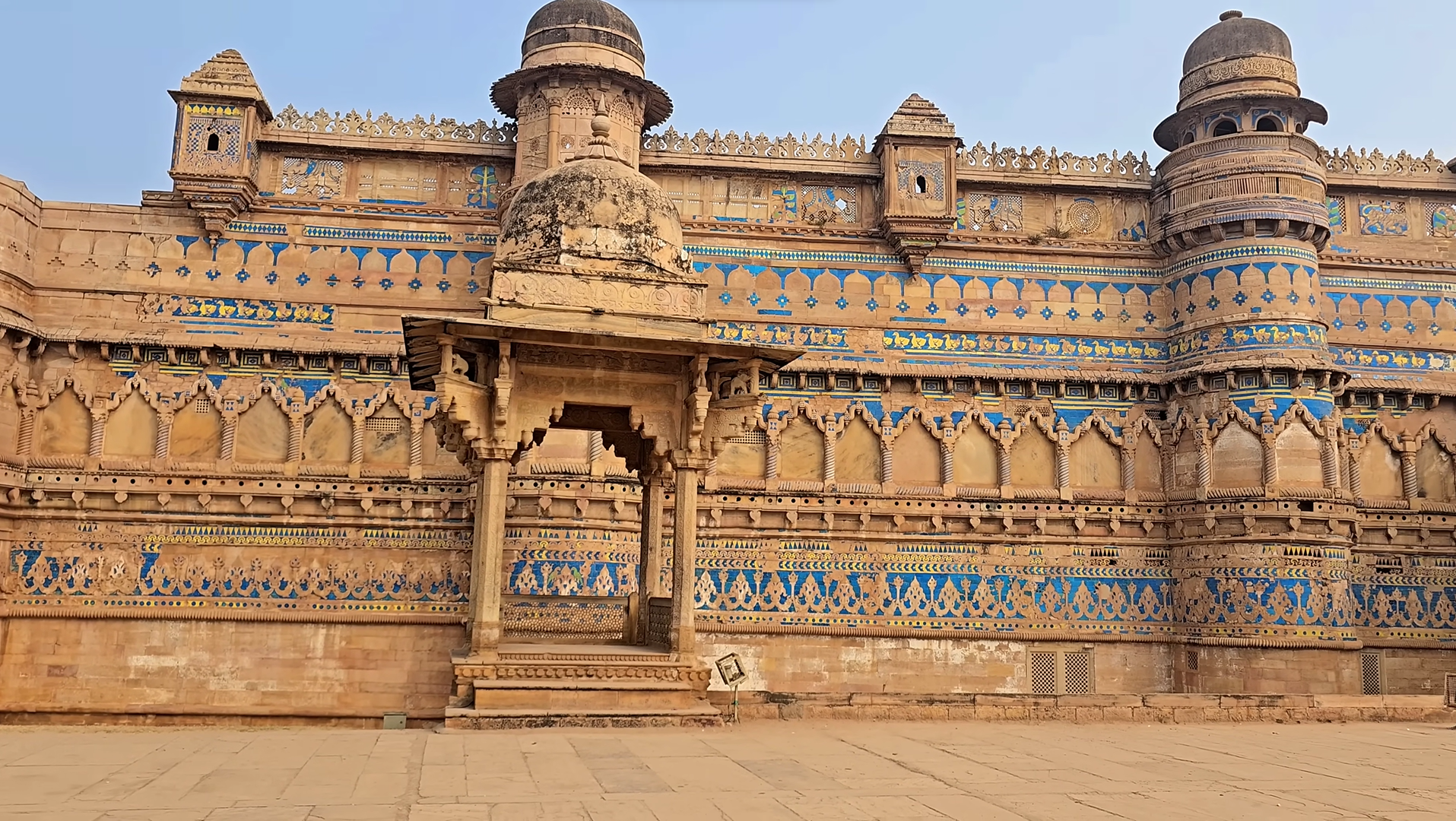
Like most of central India, Gwalior has three broad seasons, and they matter more here than in many cities because the fort itself is a fully exposed sandstone plateau with almost no shade.
October to March is the sweet spot. Days are warm and pleasant, nights turn pleasantly cool by December and January, and this is when the city’s cultural calendar is busiest including the Tansen Music Festival, usually held in November or December, which draws classical musicians from across India to perform near Tansen’s tomb.
April to June is genuinely harsh. Temperatures regularly climb past 40°C, and the fort’s open sandstone surfaces can feel like a griddle by midday. If you must visit in summer, plan fort visits for early morning (right at opening) or the last two hours before closing.
July to September brings the monsoon. Gwalior isn’t a heavy-rainfall city, but showers can be unpredictable, and the surrounding countryside turns a vivid green that’s lovely for photography if you don’t mind carrying an umbrella.
Bottom line: if your dates are flexible, aim for November through February. If you’re passing through as part of a Delhi–Agra–Khajuraho itinerary at another time of year, Gwalior is still very doable just start early and carry water.
How to Reach Gwalior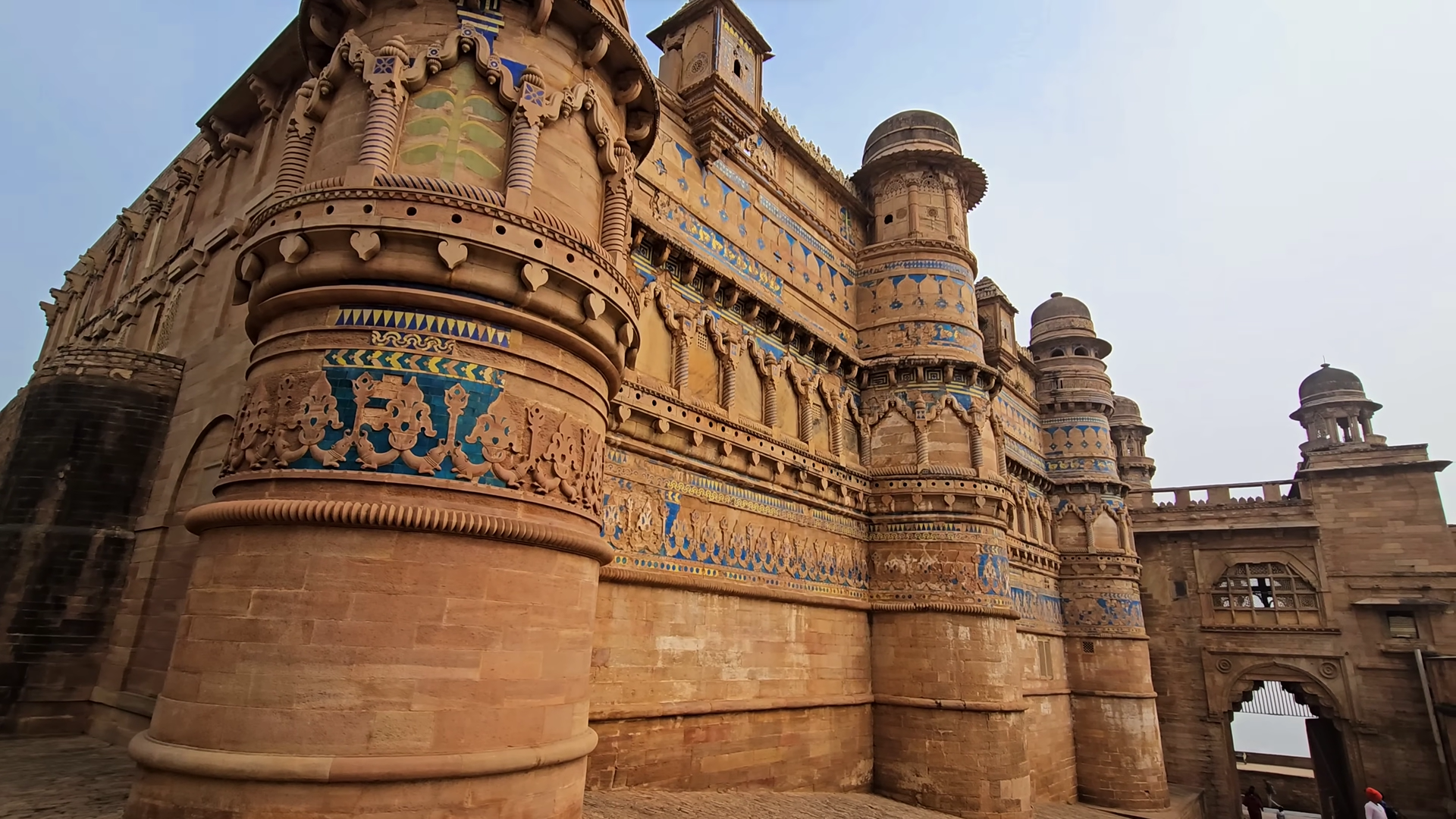
By Air: Gwalior has its own airport Rajmata Vijaya Raje Scindia Air Terminal at Maharajpura, about 8–10 km from the city center with regular domestic flights connecting to Delhi, Mumbai, Indore, and a handful of other cities. Flight frequency is lighter than what you’d find at a major metro, so check schedules in advance, especially if you’re planning a tight itinerary.
By Train: This is by far the most popular way to reach Gwalior, and for good reason. Gwalior Junction sits directly on the main Delhi–Chennai and Delhi–Mumbai trunk lines, meaning dozens of trains pass through daily, including fast options like the Shatabdi and Gatimaan Express services connecting to Delhi and Agra in just a couple of hours. If you’re already in Agra, the train to Gwalior is quick, comfortable, and arguably more relaxing than driving.
By Road: Gwalior sits on National Highway 44 (the old NH-3), making it an easy 3–4 hour drive from Agra and roughly 5–6 hours from Delhi in reasonable traffic. It also connects well southward to Shivpuri, Jhansi, and onward to Orchha and Khajuraho, which is exactly why so many multi-city North India itineraries route through here rather than around it.
Within the city, autos and app-based cabs cover most needs, but if you’re visiting multiple far-flung sites in one day the fort, Jai Vilas Palace, Tansen’s tomb, and a market run a hired car with driver for the day is genuinely the least stressful option and not expensive by international standards.
Top Attractions in Gwalior Fort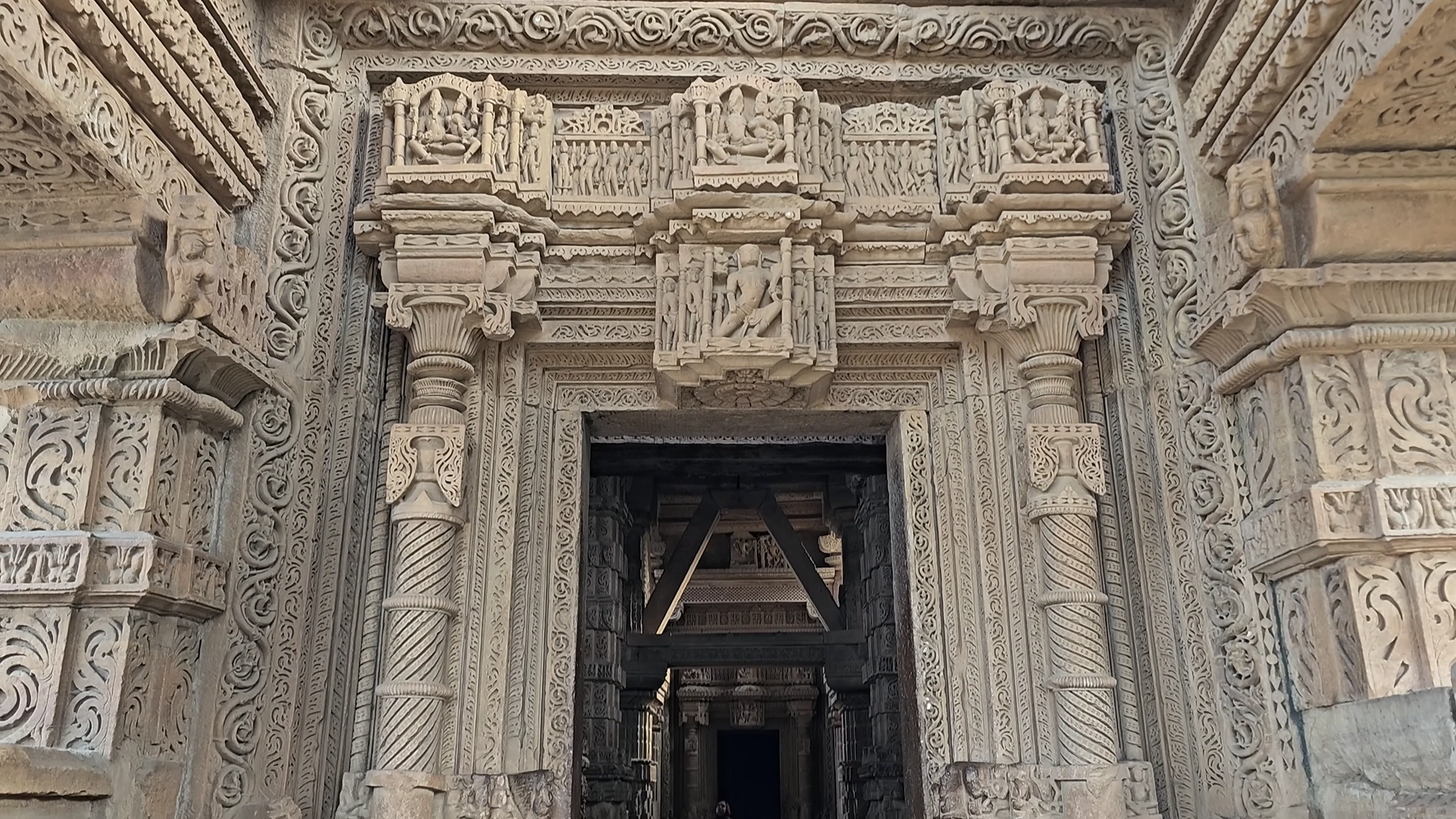
Everything in Gwalior radiates outward from this hill, and it deserves to be the anchor of any visit. Rising on an isolated, flat-topped hill roughly 300 feet above the city, the fort stretches about 3.2 km in length with outer walls around 35 meters high, built largely from red sandstone. It’s often nicknamed the “Gibraltar of India” for how commandingly it sits above the plains a comparison that becomes obvious the moment you see it from the road below.
The fort is really a walled hilltop city rather than a single building. Inside its perimeter you’ll find:
- Man Mandir Palace the fort’s showpiece, built by Raja Man Singh Tomar in the late 15th century. Its exterior is covered in glazed blue, green, and yellow tilework depicting elephants, tigers, and banana trees a rare survival of medieval Indian tile art. Below it lie dungeon chambers once used to hold Mughal prisoners.
- Gujari Mahal built by Man Singh Tomar for his queen, Mrignayani, now converted into an archaeological museum housing sculptures recovered from around the region.
- Teli Ka Mandir the fort’s tallest structure, an 8th–9th century temple whose architecture blends North Indian and South Indian (Dravidian) styles in a way found almost nowhere else in the country.
- Sas Bahu Temples a pair of ornately carved Vishnu temples built by King Mahipal of the Kachchhapaghata dynasty, popularly known as the Sas-Bahu (mother-in-law/daughter-in-law) temples due to local folklore about the differing deity preferences of the queen and her daughter-in-law.
- Gopachal Jain sculptures a remarkable series of Jain Tirthankara figures carved directly into the rock face along the fort’s western approach road, some monumental in scale.
- Gurdwara Data Bandi Chhor a Sikh shrine within the fort marking the site where Guru Hargobind was once imprisoned; modest dress and head covering are expected here.
Practical details: The fort is generally open daily from 6:00 AM to 5:30 PM, and it typically takes 3 to 4 hours to see the main palaces, temples, and historic structures properly. Note that some sources list Friday as a weekly closure for certain sections, so it’s worth confirming locally if your visit falls on that day. Entry fees have historically run around ₹75 for Indian visitors and ₹250 for foreign visitors, with children under 15 free, though ticket pricing at ASI-managed monuments is revised periodically, so treat this as an approximate guide and confirm current rates on arrival.
Don’t skip the light and sound show in the evening a roughly 45-minute presentation held in Hindi and English on alternating time slots that narrates the fort’s history against a backdrop of illuminated palace walls, and it’s genuinely one of the better light shows of its kind in India.
Visitor tip: Wear proper walking shoes the stone surfaces are uneven and the site is large. There’s minimal shade, so a hat and water are essential outside of winter.
Jai Vilas Palace & Scindia Museum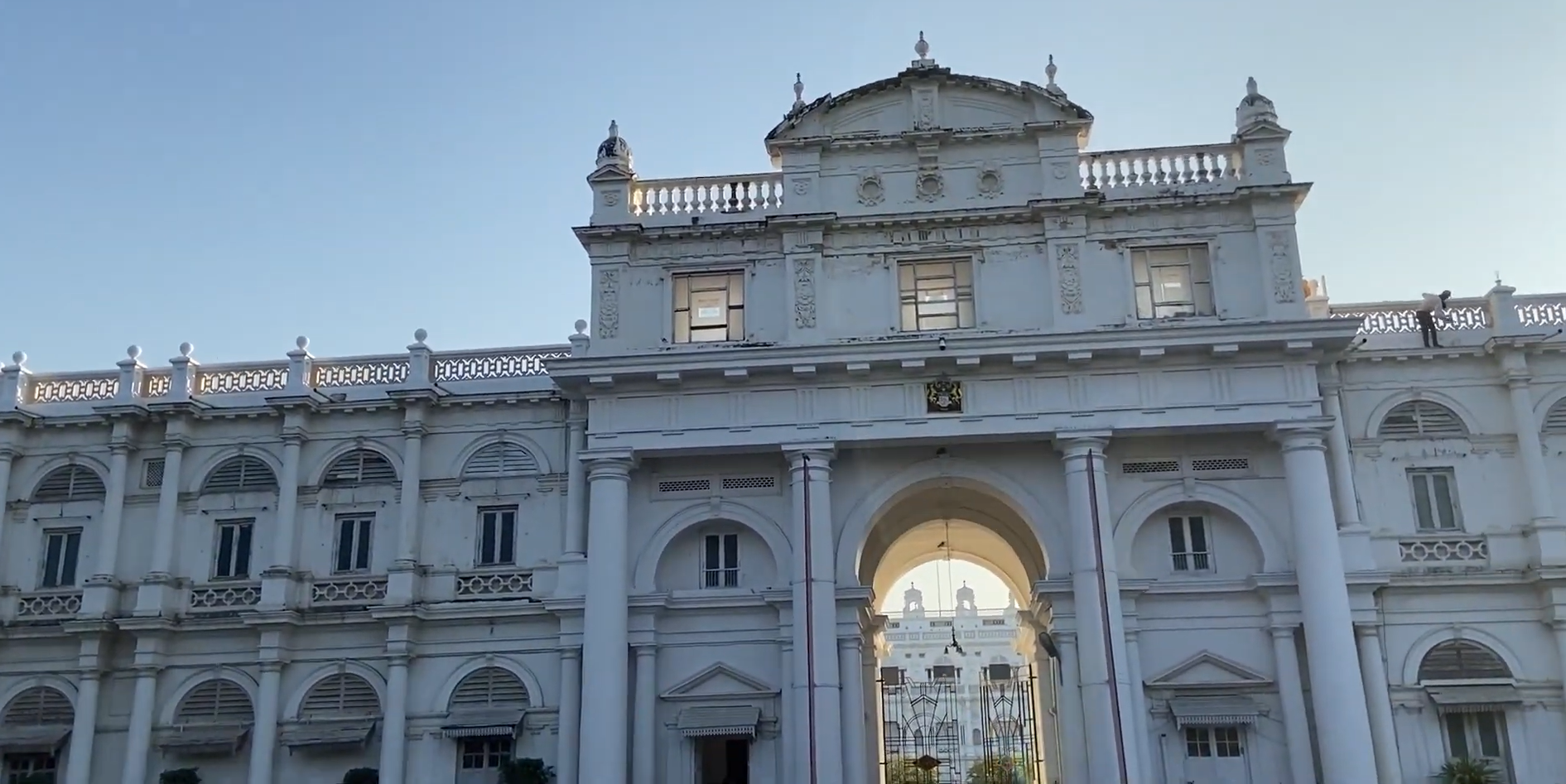
If Gwalior Fort represents the city’s medieval and Rajput-Mughal past, Jai Vilas Palace represents its 19th-century Maratha grandeur, and the contrast between the two is part of what makes Gwalior such a satisfying stop you get two completely different architectural worlds in one city.
Commissioned by Maharaja Jayaji Rao Scindia and completed in 1874, the palace was built to give a suitably grand welcome to the Prince of Wales (later King Edward VII) during his 1875 visit to India. Designed by architect Sir Michael Filose, the three-storey palace blends Tuscan, Italian-Doric, and Corinthian architectural styles across its levels a deliberately European statement of Maratha royal wealth and taste.
The numbers alone are worth knowing before you go, because they explain why the palace still stuns visitors: the building covers over 1.2 million square feet and contains around 400 rooms. Only a portion is open to the public as the Jiwaji Rao Scindia Museum, but that portion includes the palace’s two undisputed highlights:
- The Durbar Hall, whose ceiling holds two enormous chandeliers each about 12.5 metres tall and weighing 3.5 tonnes, fitted with 250 bulbs, and famously tested for structural safety before installation by having a group of elephants walked across the roof above the hall to confirm it could bear the weight.
- The silver train, a novelty dining-table centerpiece a model train with cut-glass carriages, built by the British firm Bassett-Lowke in 1906, that once circled the banquet table on rails to serve after-dinner drinks and cigars to guests.
Beyond these showpieces, the museum holds a genuinely eclectic collection: antique weapons, including the original shield (Dhal) of Rani Lakshmibai of Jhansi, Persian carpets, European furniture, and the Chitrangada Raje Art Gallery.
Practical details: Reported timings and ticket prices vary somewhat between sources and have clearly changed over recent years, so treat the following as a general range rather than a fixed number: expect the museum to be open roughly 10:00 AM to 5:00 or 6:00 PM, closed one day a week (commonly Monday or Wednesday depending on the source), with Indian entry fees somewhere in the ₹60–150 range and foreign visitor fees considerably higher, often ₹350–800. Photography inside the museum is typically restricted or charged separately, so don’t count on getting interior shots without checking at the counter first. Given how much these figures shift, we’d genuinely recommend confirming current timings and pricing by phone or through the palace’s official channels the day before your visit.
Teli Ka Mandir, Sas Bahu Temples & Gopachal Jain Sculptures
Covered above as part of the fort complex, but worth calling out separately if you’re planning your time together these three sites alone can easily absorb an hour or more, especially if you enjoy temple architecture or rock-cut sculpture. Photographers in particular should budget extra time at the Gopachal sculptures in late afternoon light.
Tansen’s Tomb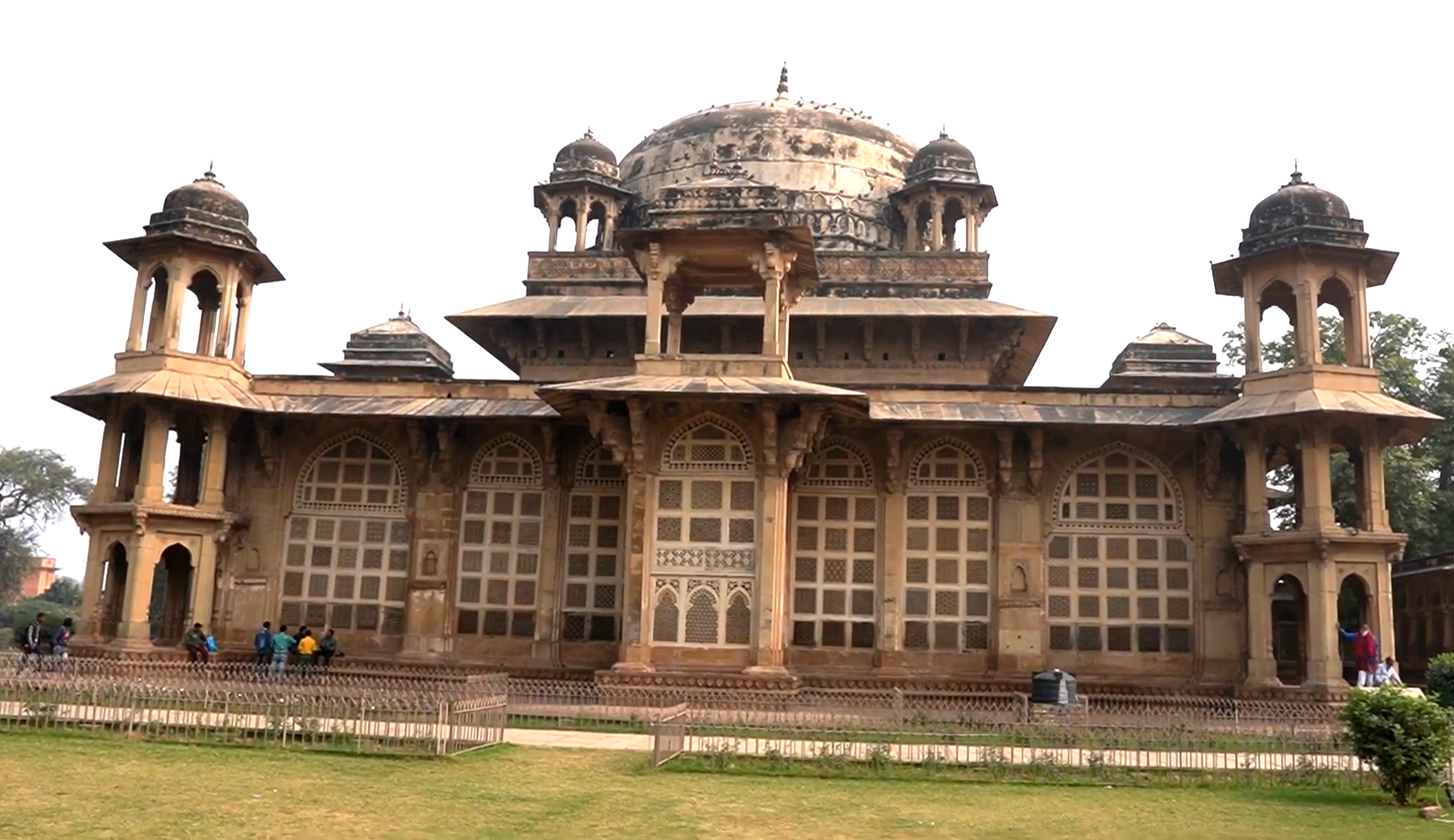
Tucked into a quiet, tree-shaded compound in the Hazira area of the city, this is the tomb of Mian Tansen, the celebrated musician who served in Emperor Akbar’s court and is still regarded as one of the towering figures in the history of Hindustani classical music. The tomb sits alongside that of his spiritual teacher, Sufi saint Muhammad Ghaus, whose own mausoleum is architecturally significant in its own right, with an elaborate carved stone jali (lattice) exterior.
The site comes alive every winter during the Tansen Music Festival, when classical vocalists and instrumentalists from across India gather to perform in Tansen’s honor if your visit lines up with the festival dates (typically late November or December), it’s worth rearranging your schedule to attend even a single evening session.
Sun Temple (Surya Mandir)
A newer addition to Gwalior’s landmark list, this modern Sun Temple was built by the Birla family in a style echoing the famous 13th-century Konark Sun Temple in Odisha, complete with the chariot-and-horses motif. It doesn’t carry the historical weight of the fort, but it’s a peaceful, well-maintained spot that photographs beautifully and makes an easy, low-effort addition to a half-day city tour.
Museums & Markets
Beyond Gujari Mahal and the Scindia Museum, culturally curious travelers can explore smaller regional museums showcasing archaeological finds from across Madhya Pradesh. For shopping, Sarafa Bazaar and the lanes around Bada (the old city center) are the places to look for Gwalior’s traditional handicrafts, silk and cotton textiles, and the region’s distinctive silver jewelry, alongside everyday bazaar energy that’s worth wandering through even if you’re not buying anything.
Where to Eat in Gwalior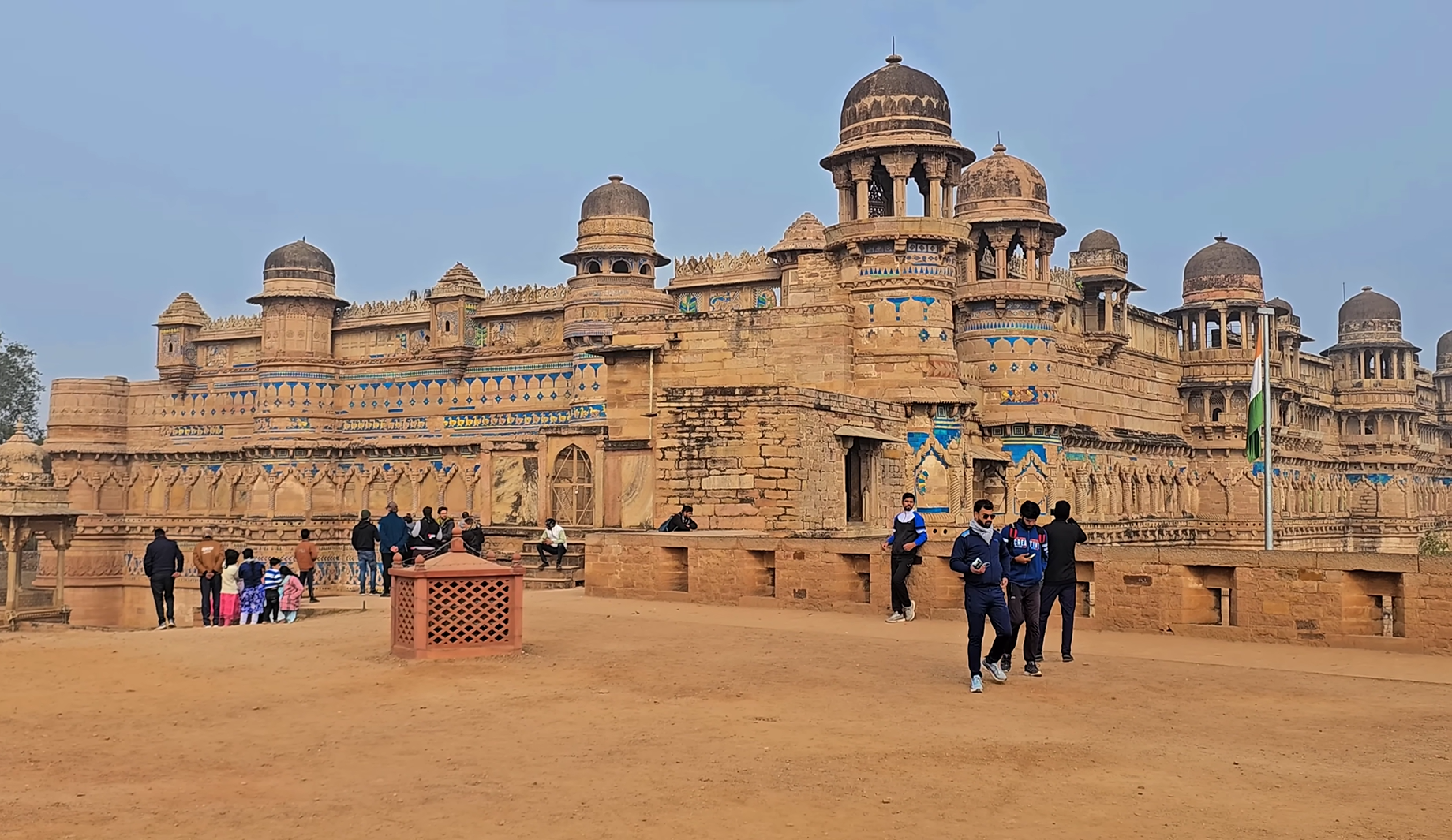
Gwalior’s food culture sits squarely in the North Indian and Malwa culinary tradition, with a few specialties worth actively seeking out:
- Bedai and Kachori a Gwalior breakfast staple, deep-fried stuffed bread served with spicy potato curry, best found at old-city breakfast stalls rather than restaurants.
- Gajak and Chironji Gwalior is famous across Madhya Pradesh for its sesame-and-jaggery gajak, a winter sweet sold in dozens of varieties in shops around the old city; it makes an excellent, easily packable gift or souvenir.
- Poha-Jalebi the classic Madhya Pradesh breakfast combination, sold everywhere from street carts to proper restaurants.
- Regional Rajasthani and Mughlai-influenced dishes are common on restaurant menus given Gwalior’s historical position between these two culinary worlds.
For sit-down meals, most mid-range and upscale hotels have solid multi-cuisine restaurants, while the old city’s street-food lanes are where you’ll find the most memorable, least touristy versions of local specialties.
Where to Stay in Gwalior
Luxury: Gwalior’s standout luxury option is staying in or near a heritage property connected to the city’s royal past the Scindia family’s Usha Kiran Palace, now run as a luxury heritage hotel, is the obvious choice for travelers who want a genuinely palatial experience with Gwalior Fort views.
Mid-Range: Several well-regarded chain and independent hotels cluster around the City Centre and Lashkar areas, offering comfortable rooms, reliable Wi-Fi, and easy access to both the fort and Jai Vilas Palace a practical base for most travelers.
Budget: Near the railway station and in the older parts of the city, simple guesthouses and budget hotel chains offer clean, no-frills rooms well suited to travelers passing through for a night on a longer Delhi–Agra–Khajuraho route.
As a general rule, staying somewhere between the fort and the railway station minimizes backtracking, since most of Gwalior’s key sights sit along that same general axis.
Best Itineraries One Day in Gwalior
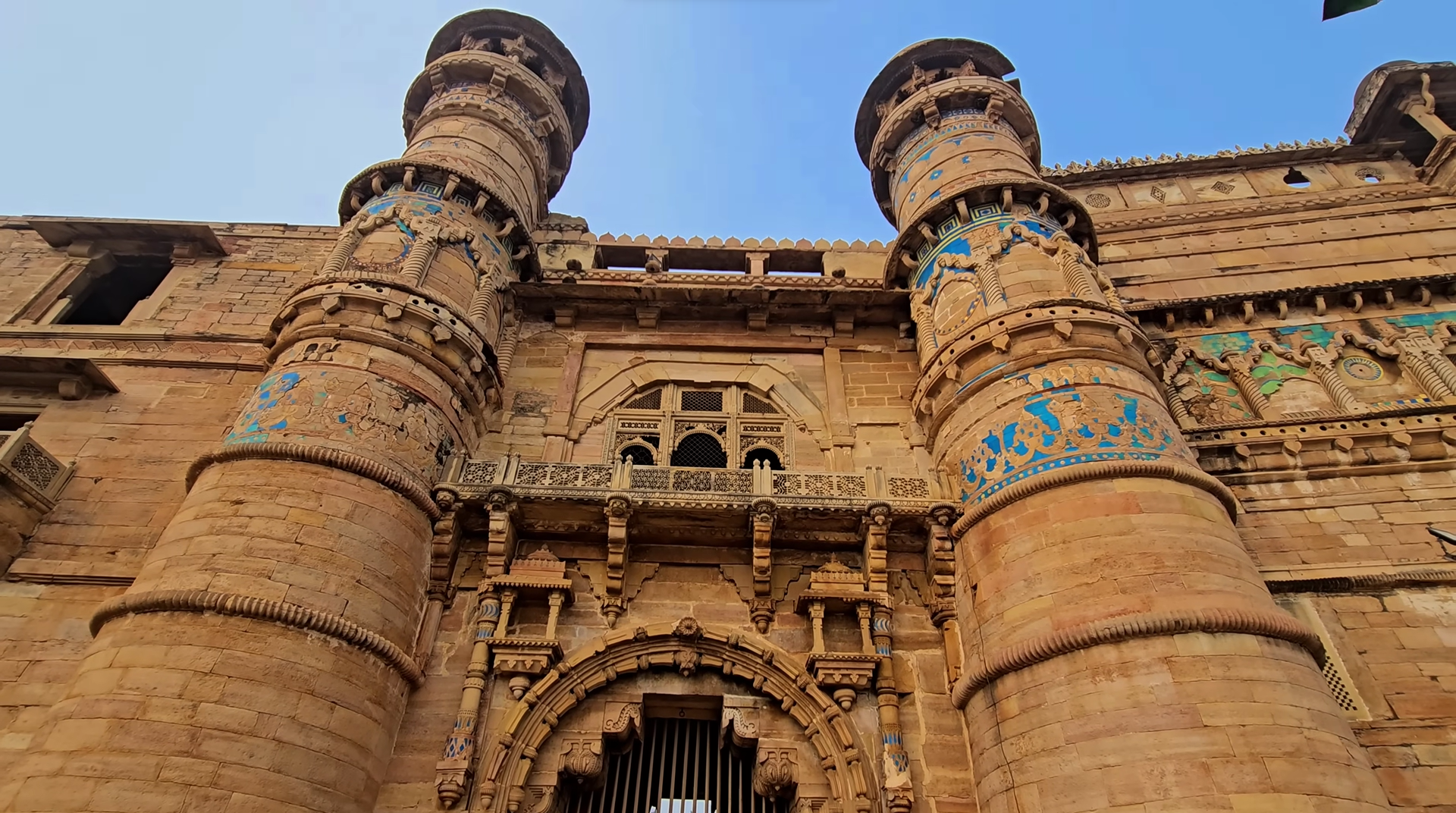
- Morning: Arrive early and head straight to Gwalior Fort. Budget 3–4 hours to properly cover Man Mandir Palace, Gujari Mahal, Teli Ka Mandir, and the Sas Bahu temples.
- Afternoon: Lunch in the city, then visit Jai Vilas Palace and the Scindia Museum.
- Evening: A quick stop at Tansen’s Tomb or the Sun Temple, followed by the fort’s light and sound show after dark.
This is a full but genuinely satisfying single day, and it’s how most travelers passing through on a Delhi–Agra–Khajuraho circuit experience Gwalior.
Two Days in Gwalior
- Day 1: Gwalior Fort in the morning (unhurried), lunch, Jai Vilas Palace in the afternoon, light and sound show in the evening.
- Day 2: Tansen’s Tomb and Muhammad Ghaus’s mausoleum in the morning, a wander through Sarafa Bazaar and the old city, the Sun Temple, and time set aside for shopping (gajak, textiles, silver jewelry) before departure.
Three Days in Gwalior (with a day trip)
- Days 1–2: As above.
- Day 3: A day trip to nearby Shivpuri or a further push toward Orchha, using Gwalior as a base before continuing your onward journey.
Nearby Destinations Worth Combining with Gwalior
One of Gwalior’s biggest strengths as a destination is how well it slots into a longer itinerary. Consider pairing it with:
- Orchha: a beautifully preserved Bundela-era town of palaces and cenotaphs, roughly 3–4 hours away and one of central India’s most underrated stops.
- Shivpuri: known for its royal Scindia chhatris (cenotaphs) and national park, a shorter detour from Gwalior.
- Jhansi: historically significant as Rani Lakshmibai’s seat, and a natural gateway toward Orchha and Khajuraho.
- Khajuraho: the famous temple town, reachable via road or a connecting route through Jhansi/Orchha.
- Agra: just a couple of hours north, making Gwalior an easy add-on to any Taj Mahal itinerary rather than a separate trip.
- Delhi: the natural start or end point for a loop that includes Agra, Gwalior, Orchha, and Khajuraho.
- Ranthambore: for travelers extending westward into Rajasthan for a tiger safari.
For a private, well-paced version of this loop with a driver who actually knows which gate of the fort to use and when the light show sells out this is exactly the kind of itinerary our team at India Custom Tours puts together regularly.
Frequently Asked Questions
Is Gwalior worth visiting? Yes it’s genuinely one of the more underrated historical stops in North India. Gwalior Fort alone rivals better-known forts in Rajasthan, and Jai Vilas Palace’s Durbar Hall is one of the most striking royal interiors in the country.
How many days do I need in Gwalior? A focused one-day visit covers the essentials (fort, palace, light and sound show). Two days lets you add Tansen’s Tomb, the markets, and a more relaxed pace. Three days works well if you’re using Gwalior as a base for a nearby day trip.
Can I visit Gwalior in one day? Yes, and many travelers do exactly this as part of a Delhi–Agra–Khajuraho route. Start early to make the most of the fort before the midday heat (outside winter).
Is Gwalior safe for tourists? Gwalior is generally considered a safe city for domestic and international travelers, with standard common-sense precautions applying as anywhere else in India.
What is Gwalior famous for? Gwalior is best known for Gwalior Fort, one of India’s most formidable hill forts; the opulent Jai Vilas Palace; its deep classical music heritage centered on Tansen and the Gwalior gharana; and its long association with the Scindia dynasty.
Which railway station serves Gwalior? Gwalior Junction, located centrally in the city and connected directly to the main Delhi–Mumbai and Delhi–Chennai rail lines.
Does Gwalior have an airport? Yes Rajmata Vijaya Raje Scindia Air Terminal, with domestic connections to a handful of major Indian cities, though frequency is lower than at major hub airports.
What’s the best month to visit? November through February offers the most comfortable weather and coincides with the Tansen Music Festival.
What’s the weather like? Hot and dry from April to June (often exceeding 40°C), a moderate monsoon from July to September, and mild, pleasant winters from October to March.
Travel Tips for Visiting Gwalior
- Carry cash in smaller denominations for market shopping, temple donations, and smaller eateries where card payments aren’t always available.
- Wear closed, comfortable shoes for the fort the stone paths are uneven, and there’s real distance to cover.
- Photography rules vary by site cameras are generally welcome at the fort, but often restricted or separately charged inside the Jai Vilas Palace museum, so check at the entrance.
- Carry water, especially outside winter months, since the fort has very little shade.
- If you want to attend the light and sound show, confirm the current show times and language schedule locally, as these shift seasonally.
- Modest dress is appropriate at the Gurdwara inside the fort and at Tansen’s Tomb; a head covering may be required at the Gurdwara.
- Hiring a local guide at the fort is genuinely worthwhile the layered, multi-dynasty history of the site is hard to fully appreciate without context.